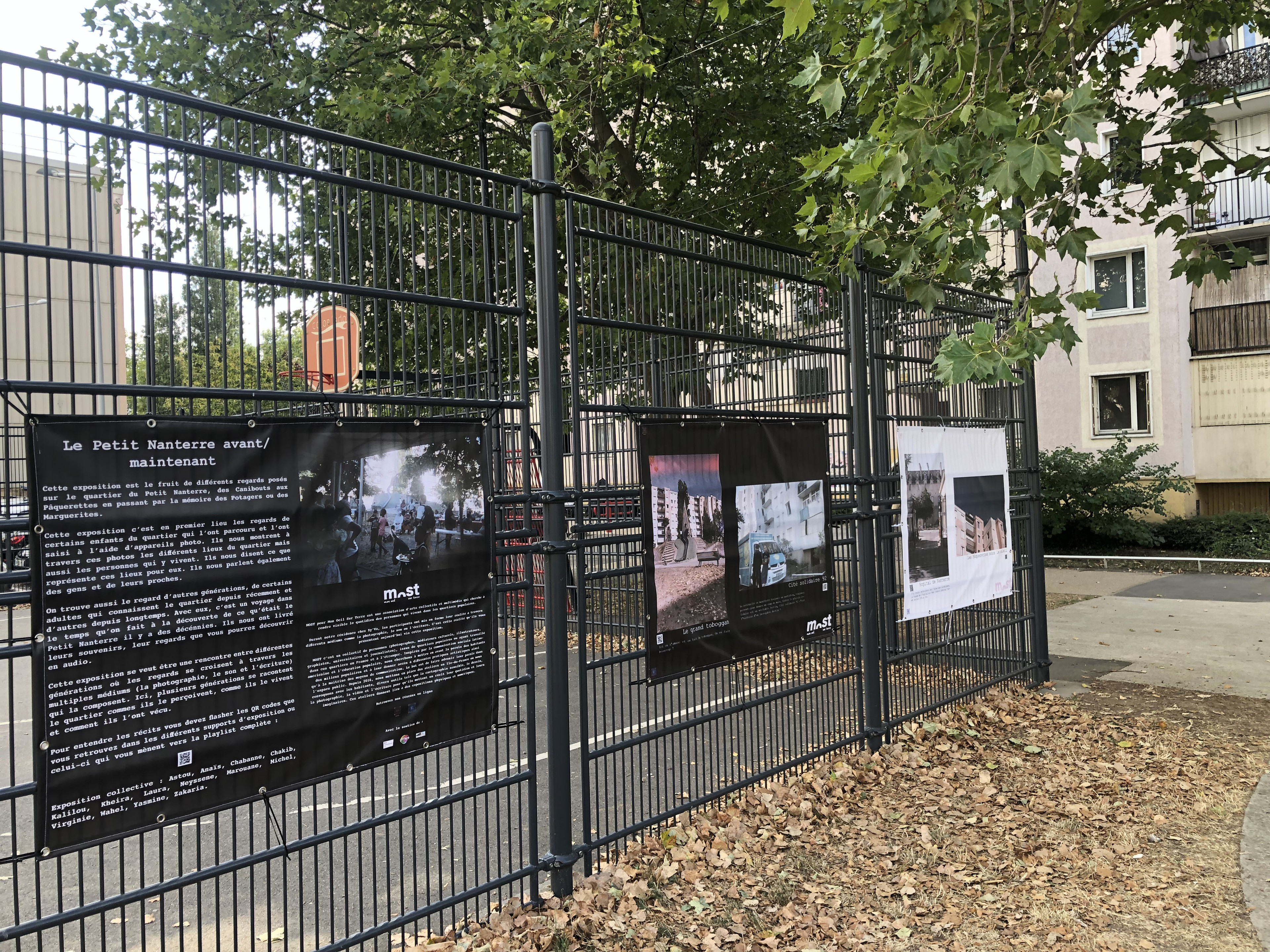
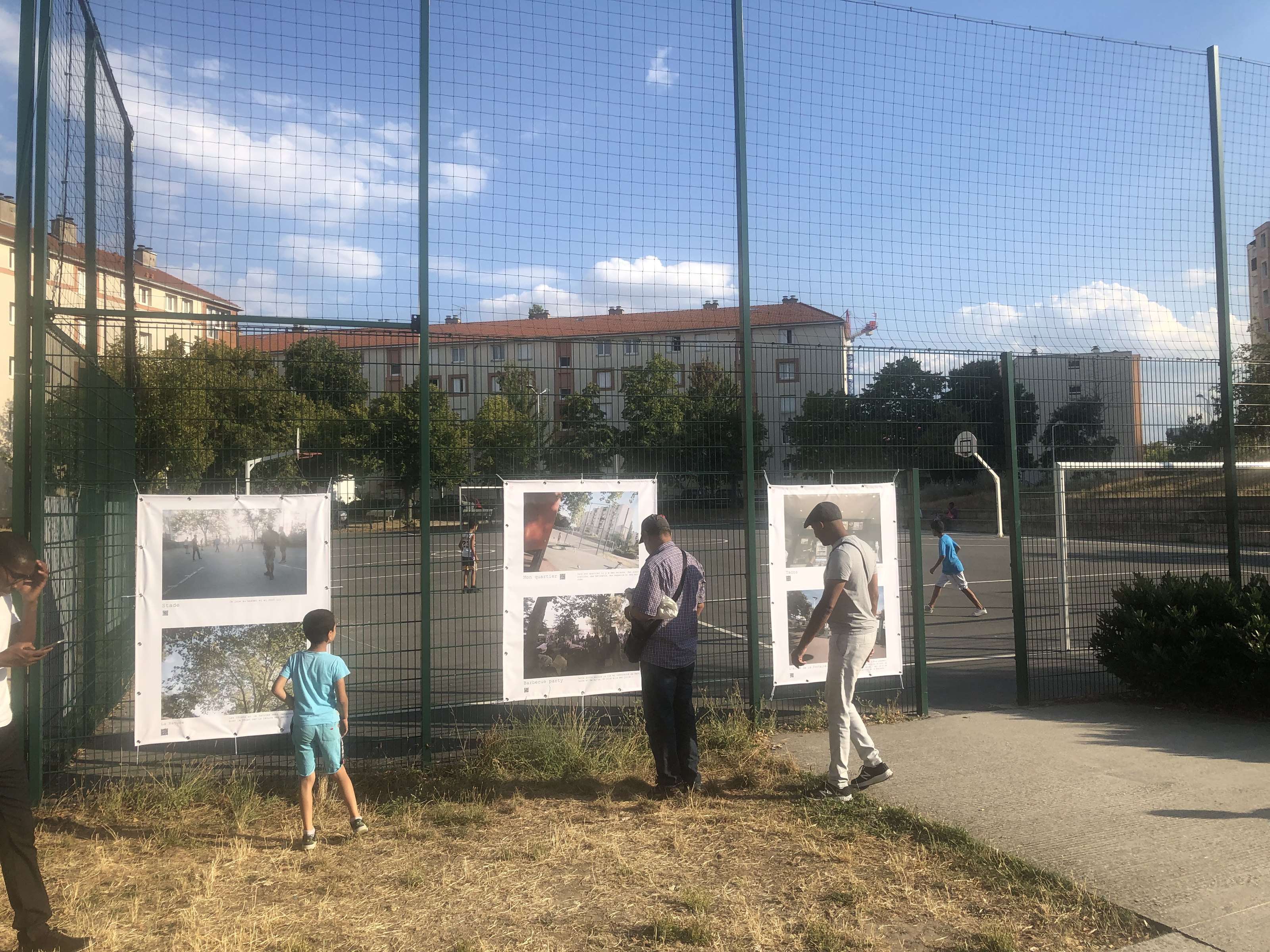
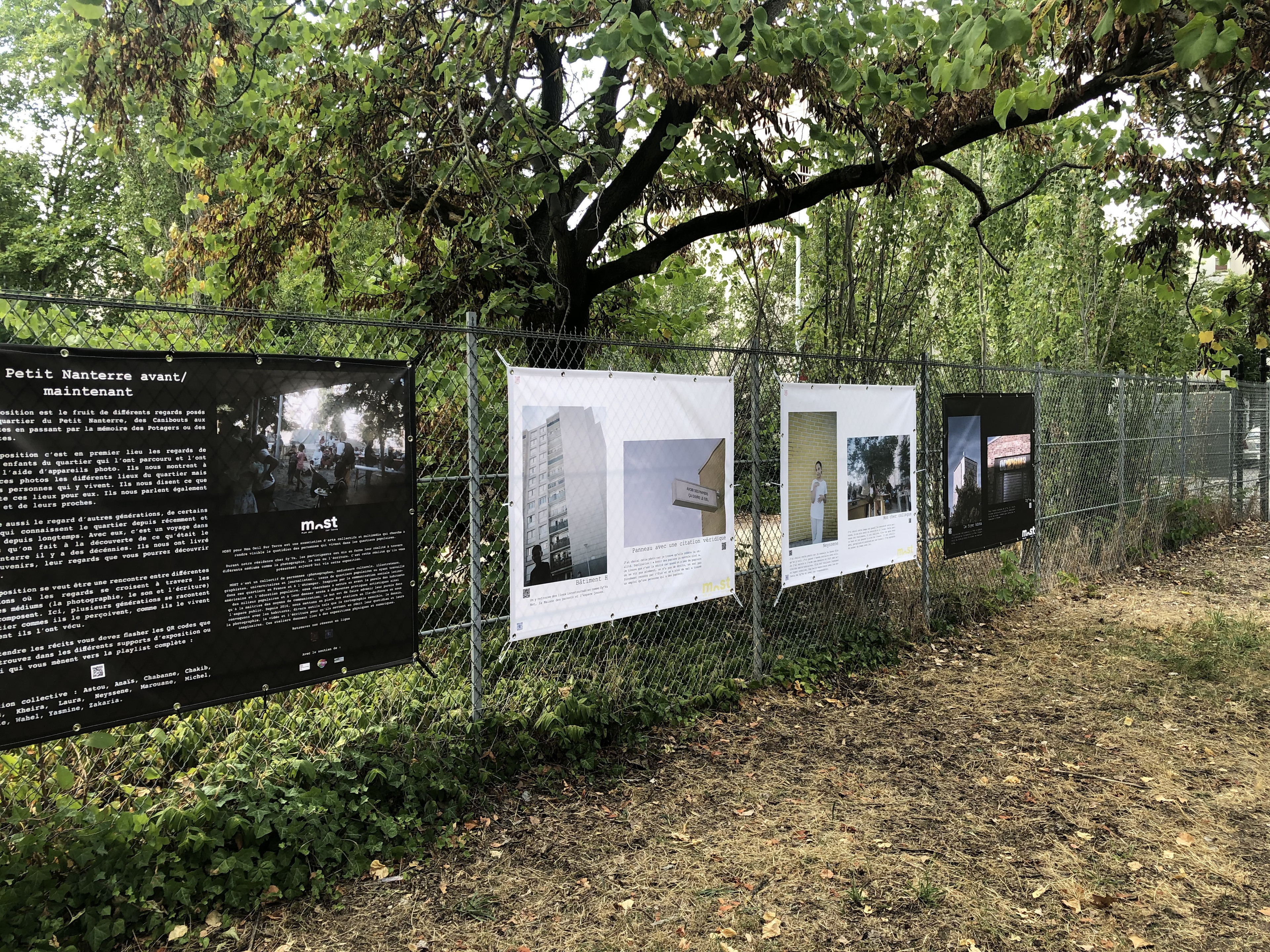
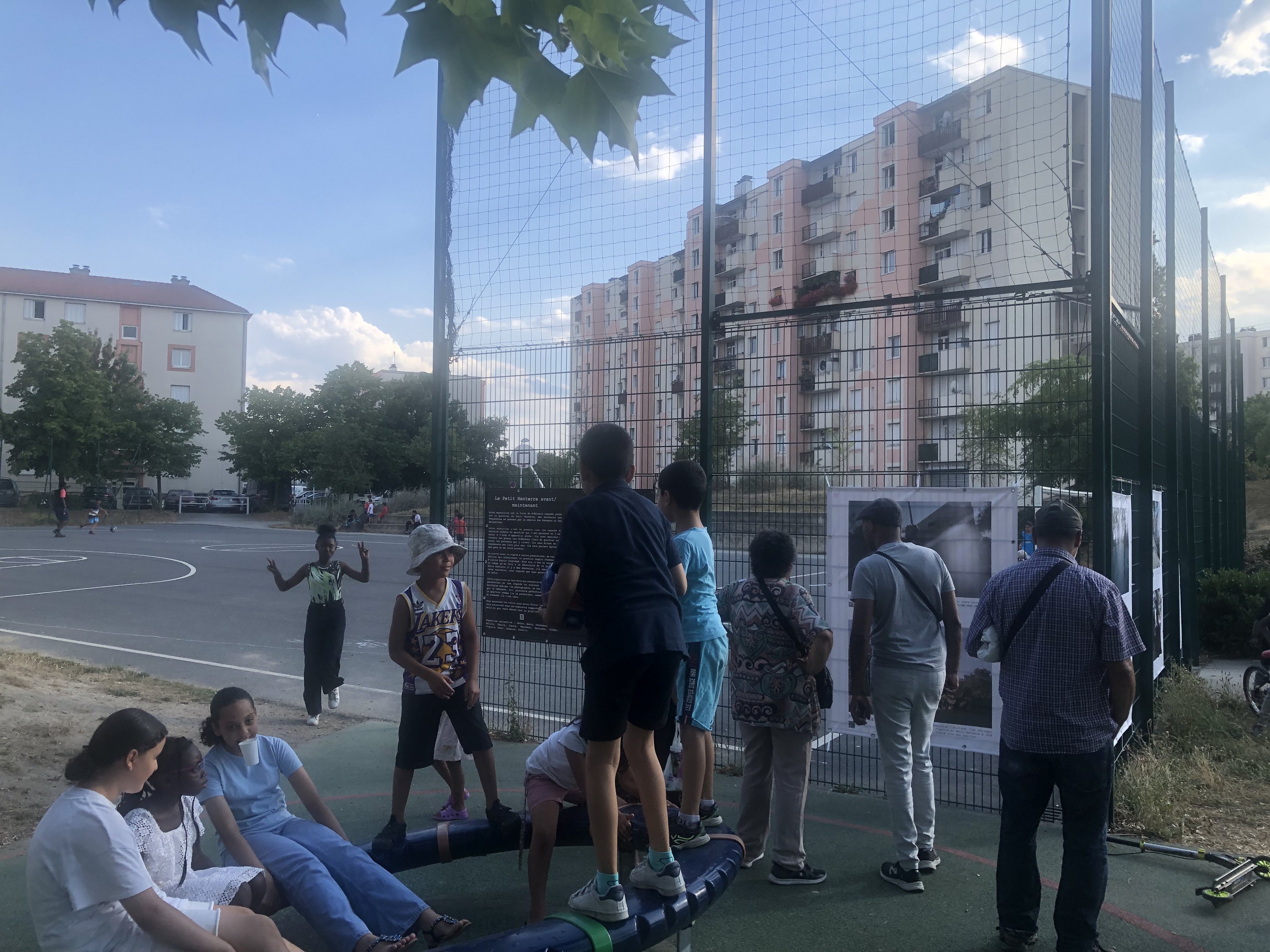
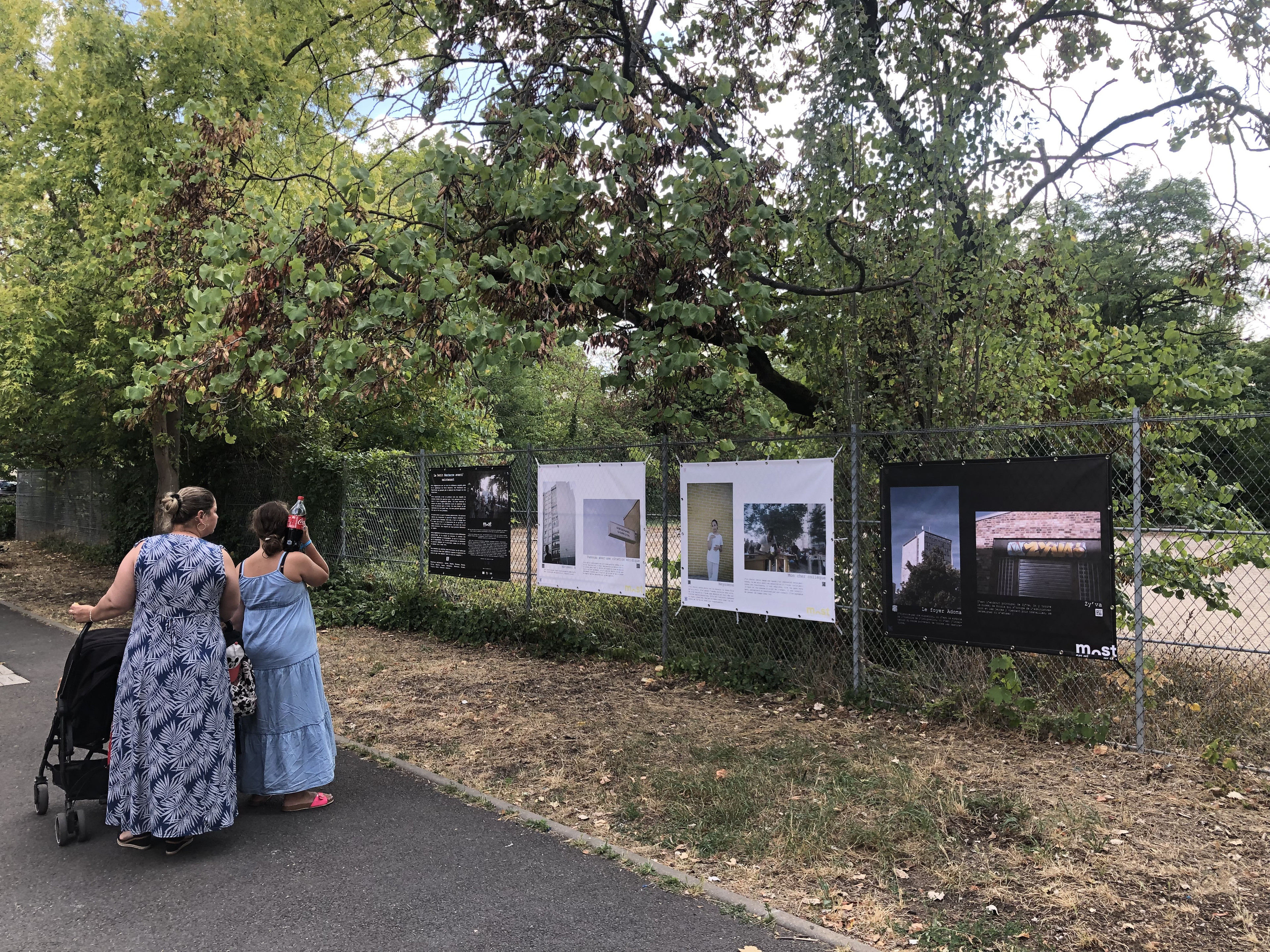
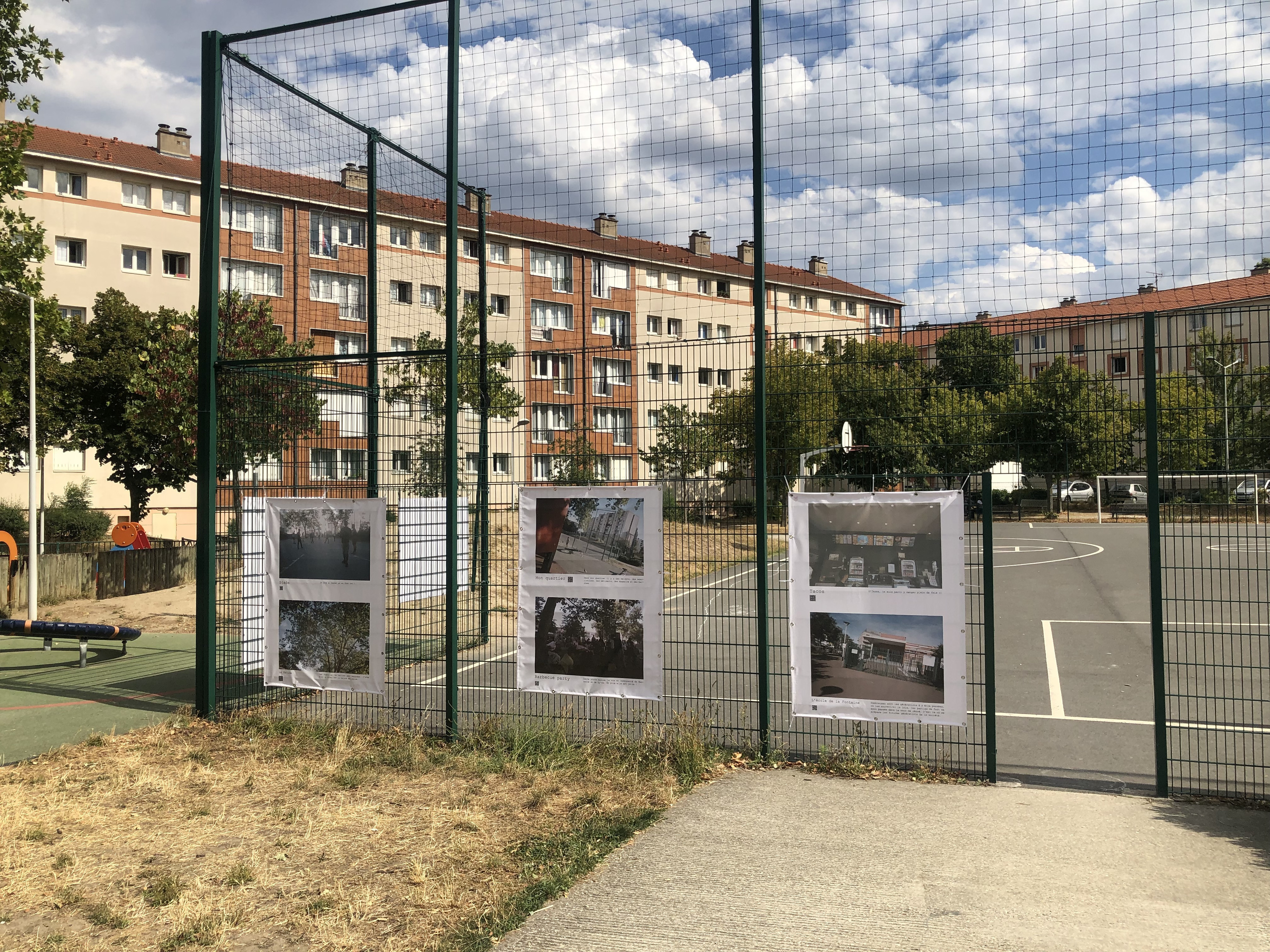
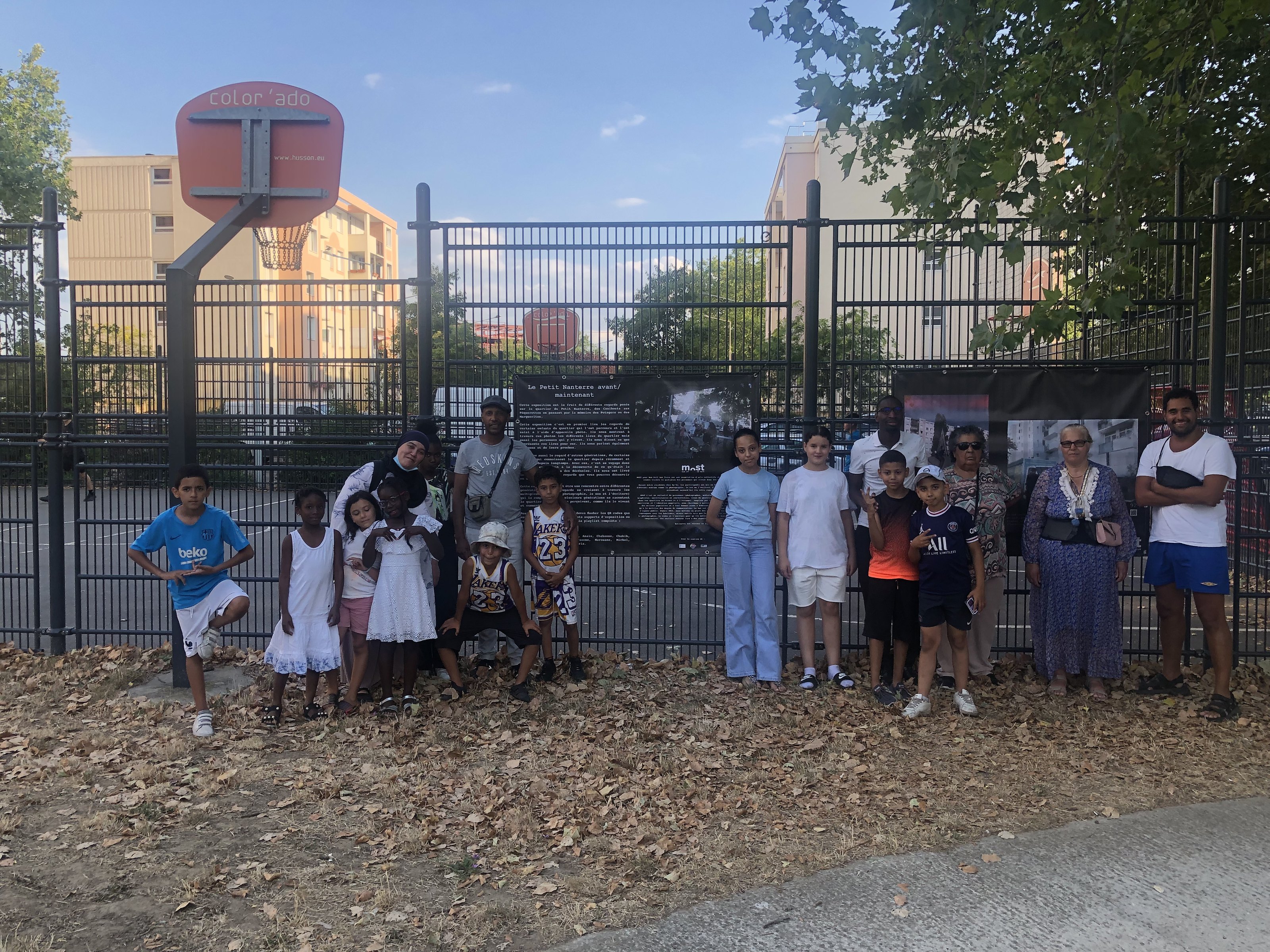
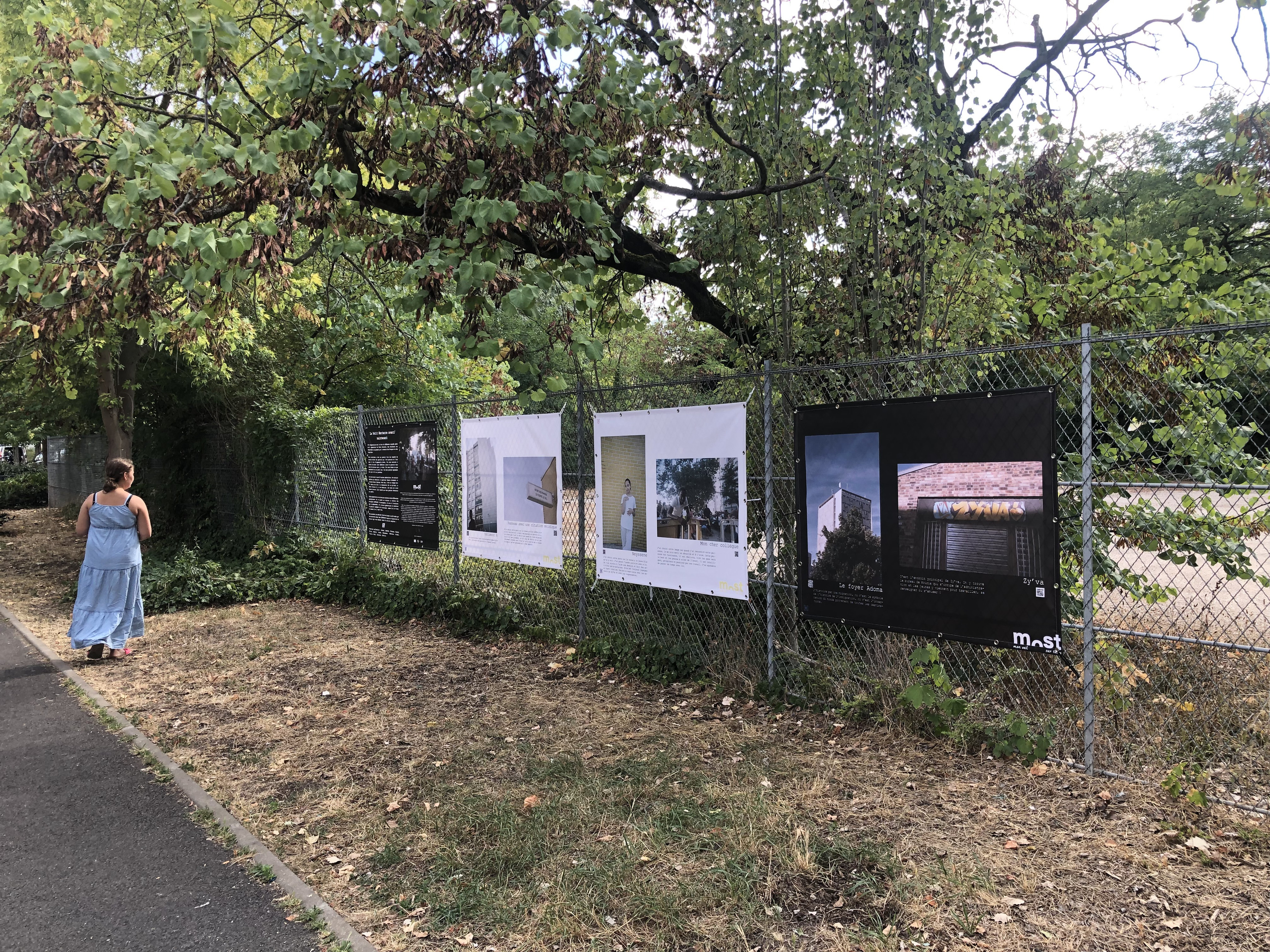
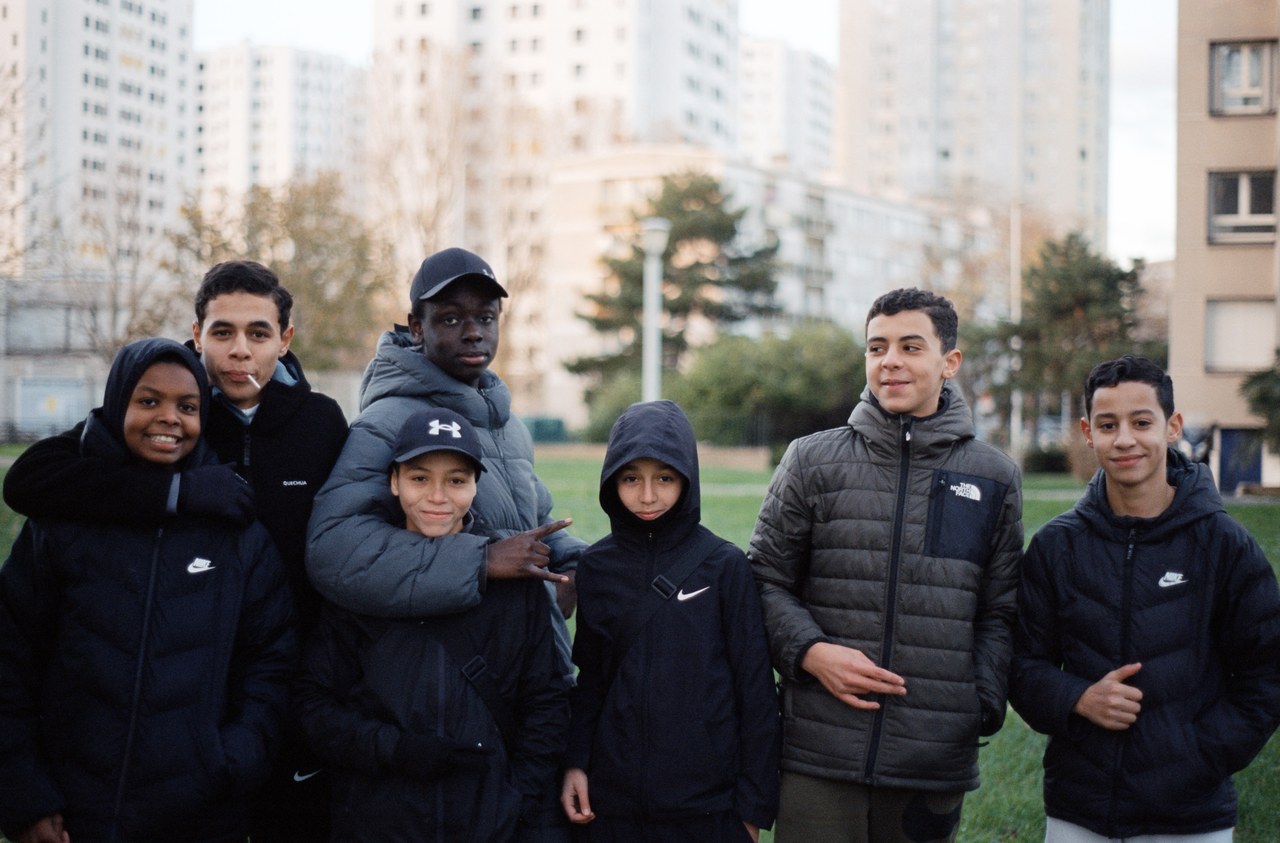
The youngest photograph their neighborhood and write about it; longtime residents tell the story of the one that came before, from the shantytowns to the neighborhood parties. Fourteen stories, ten banners and an opening walk on July 29, 2022.
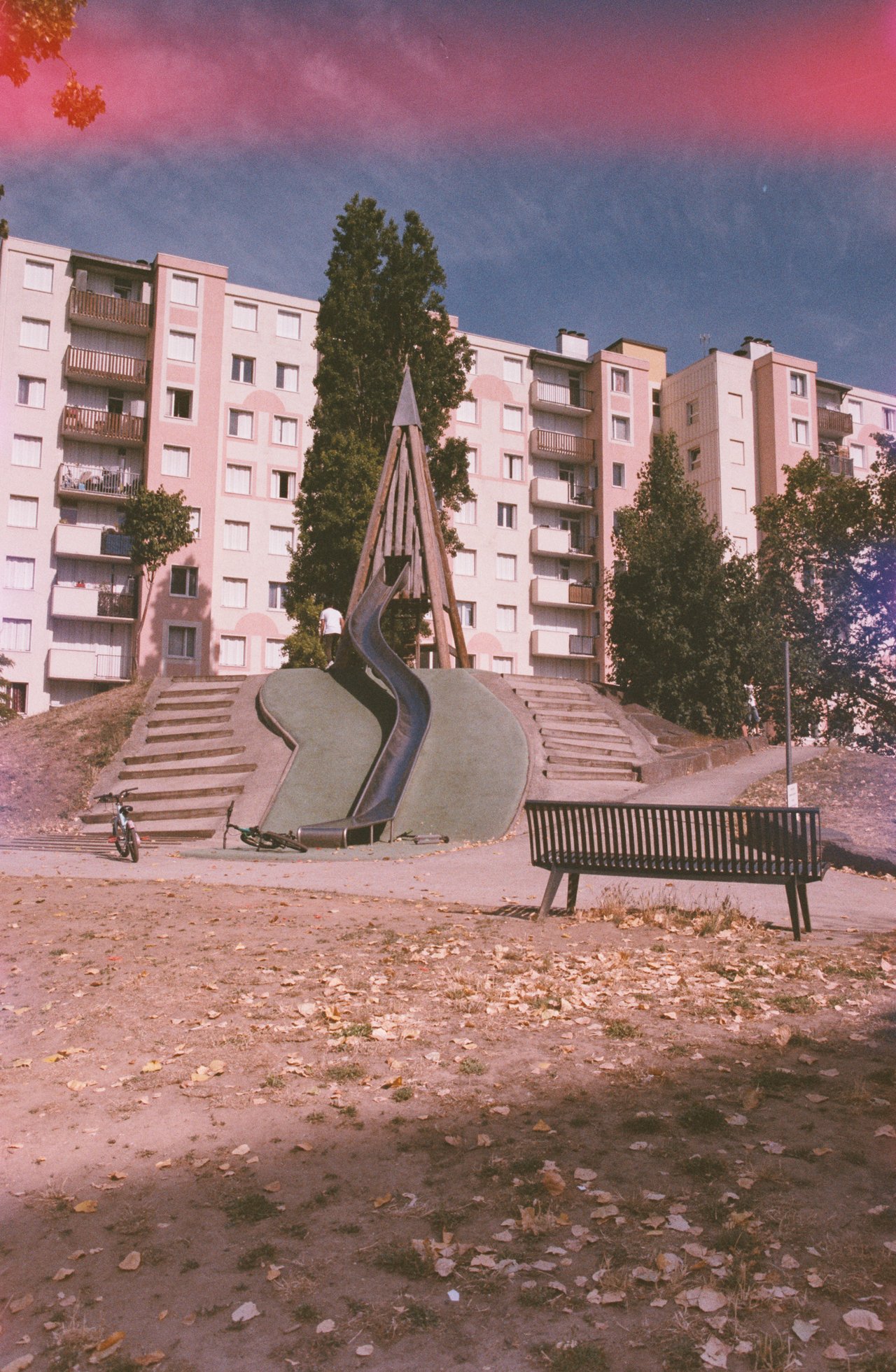
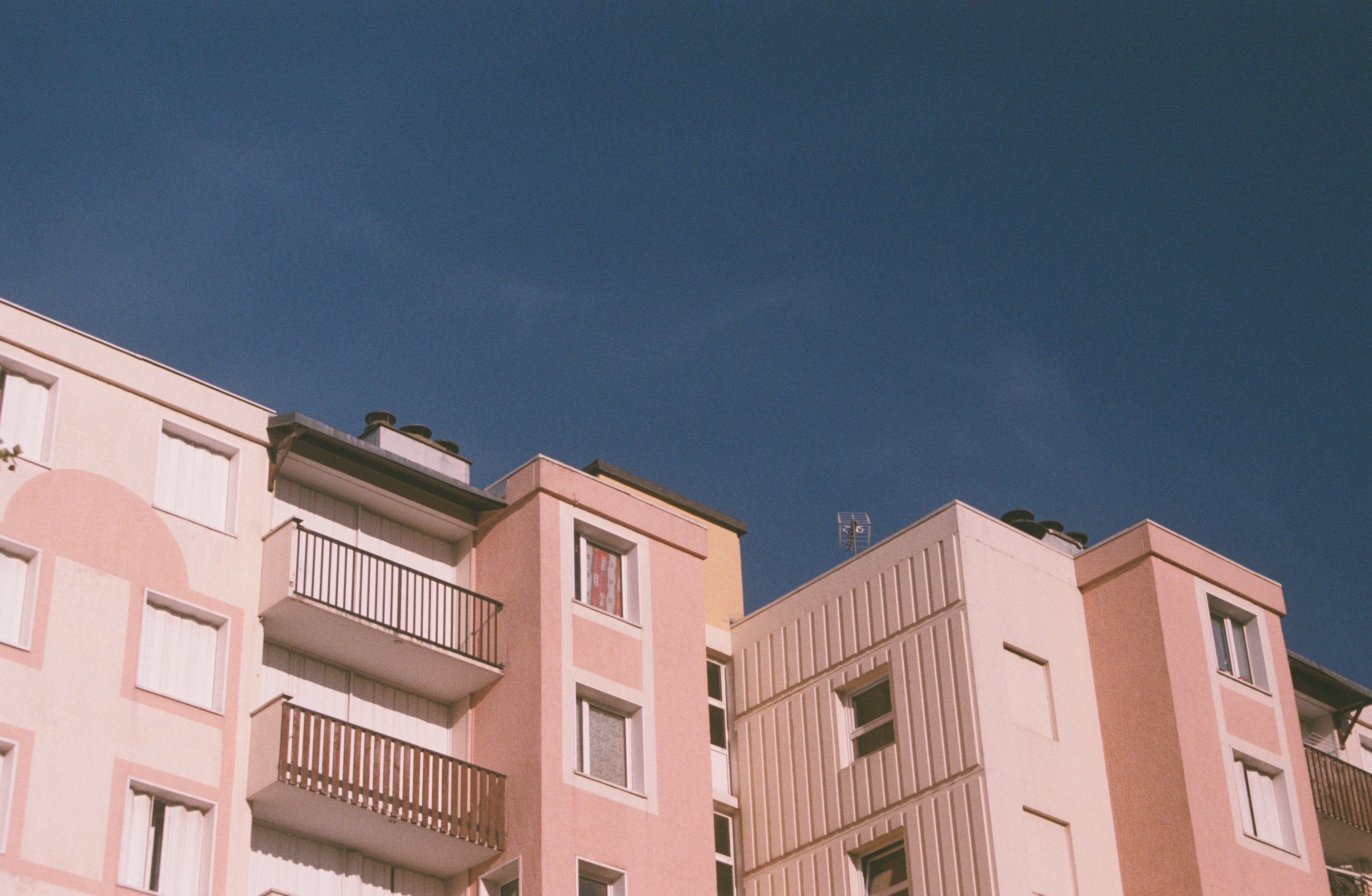
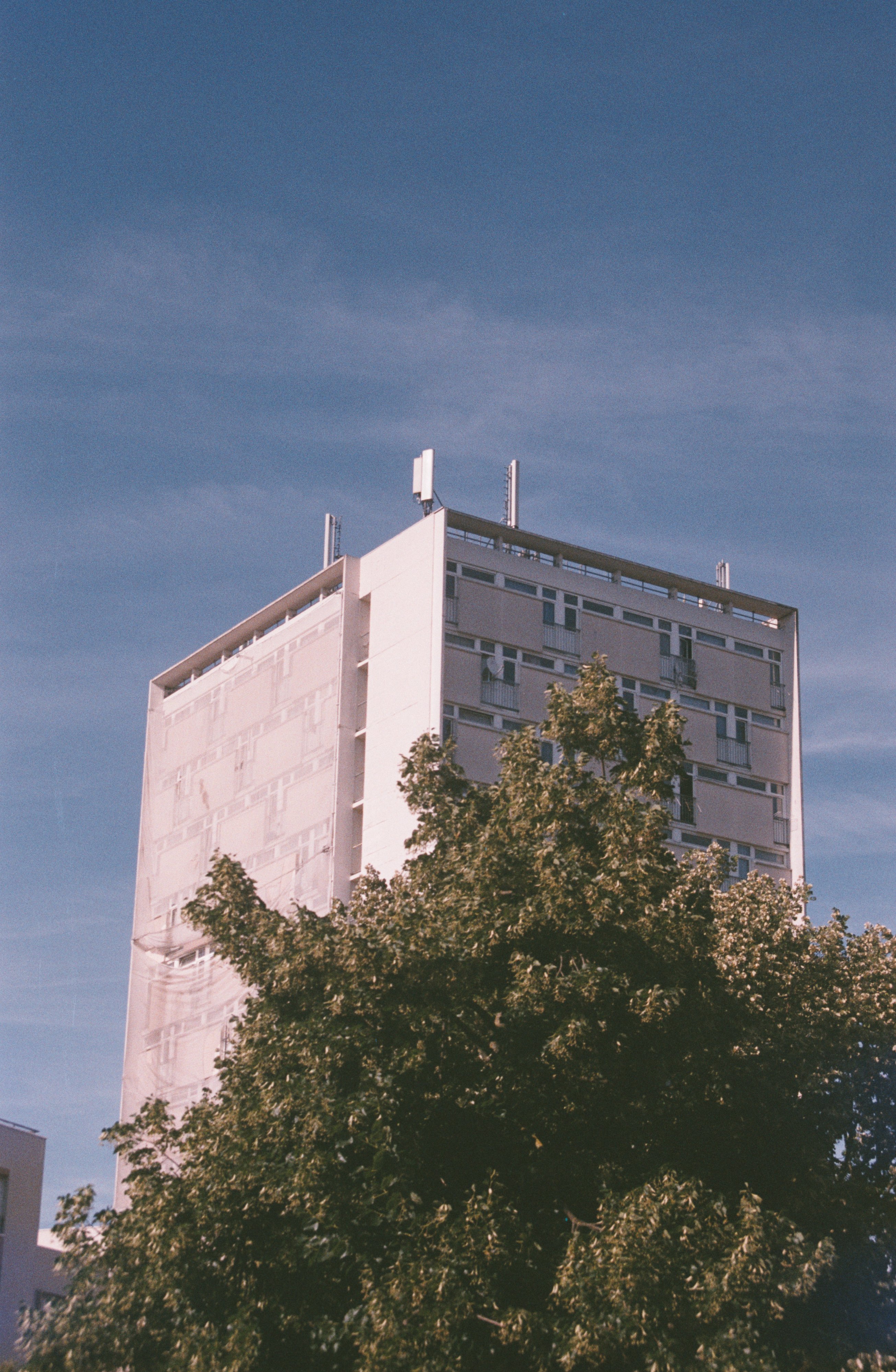
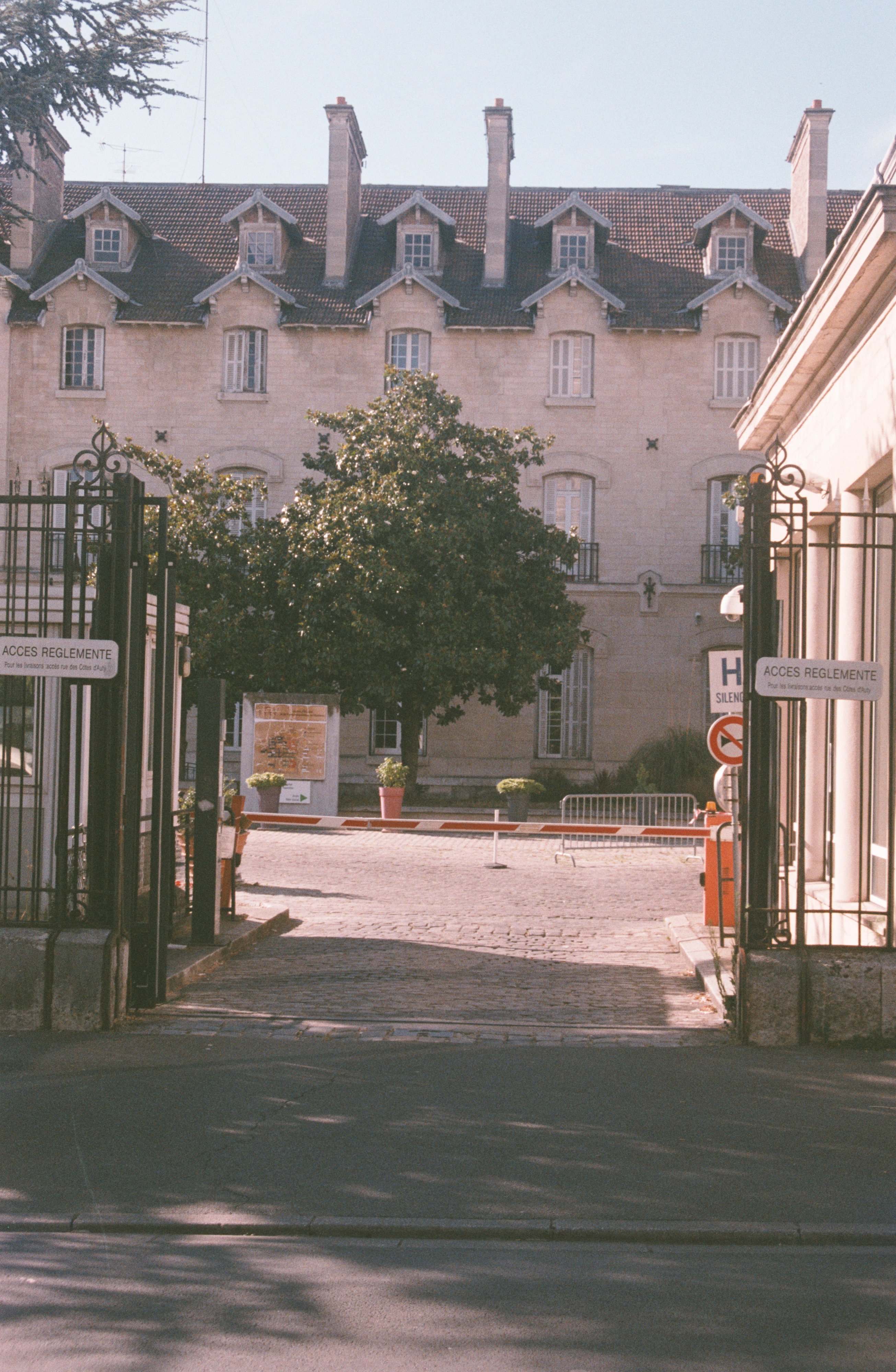
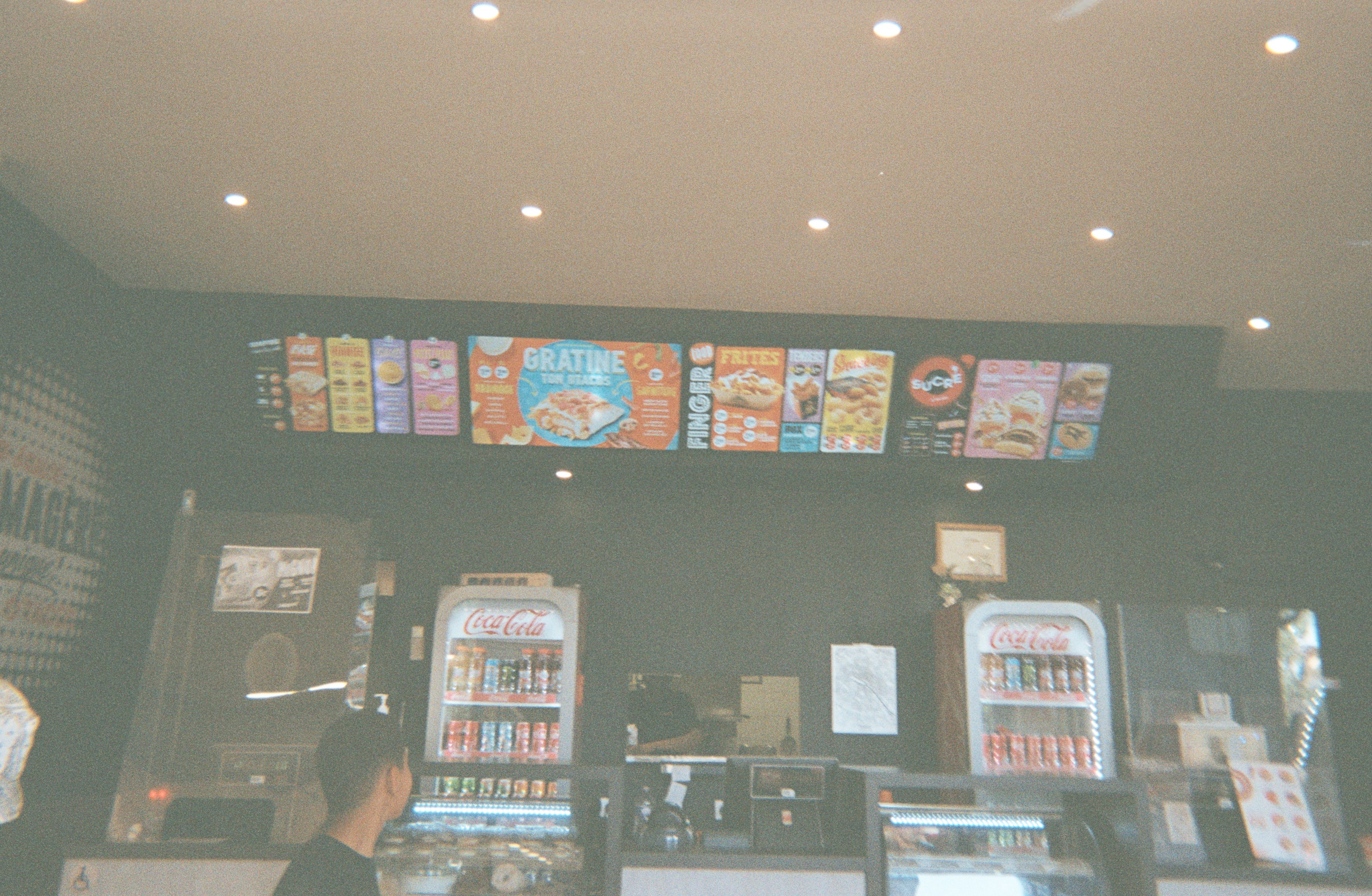
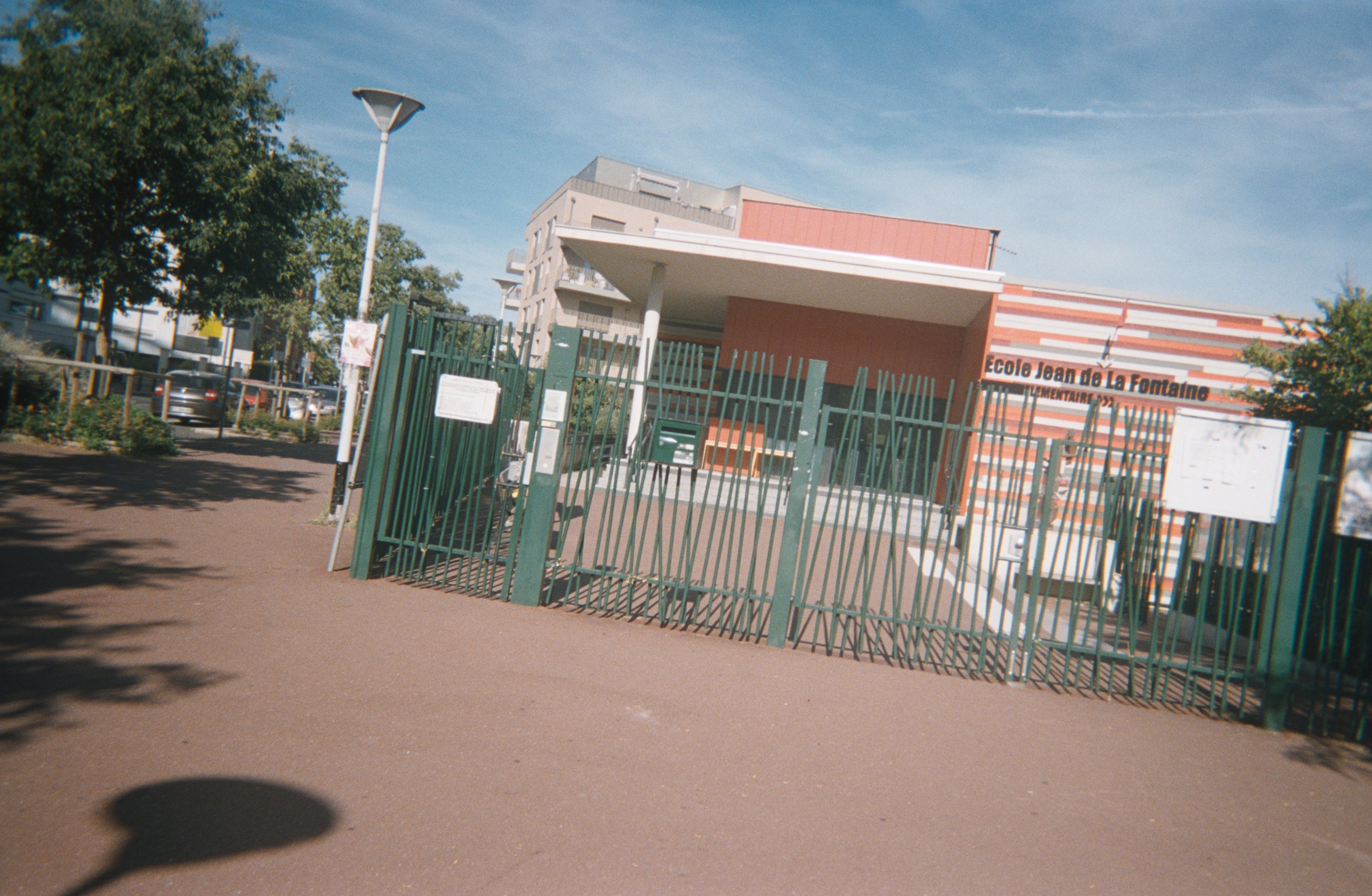
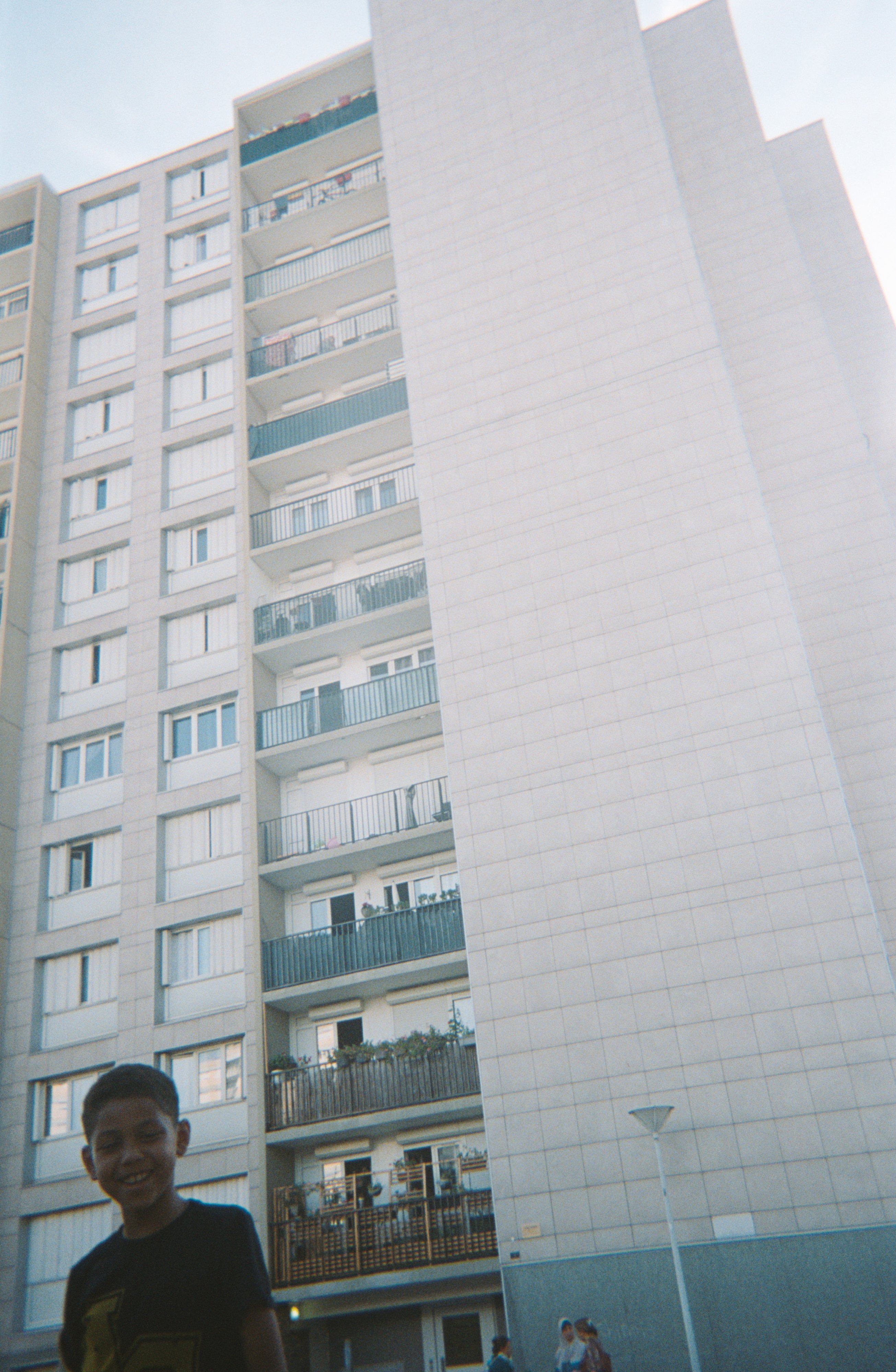
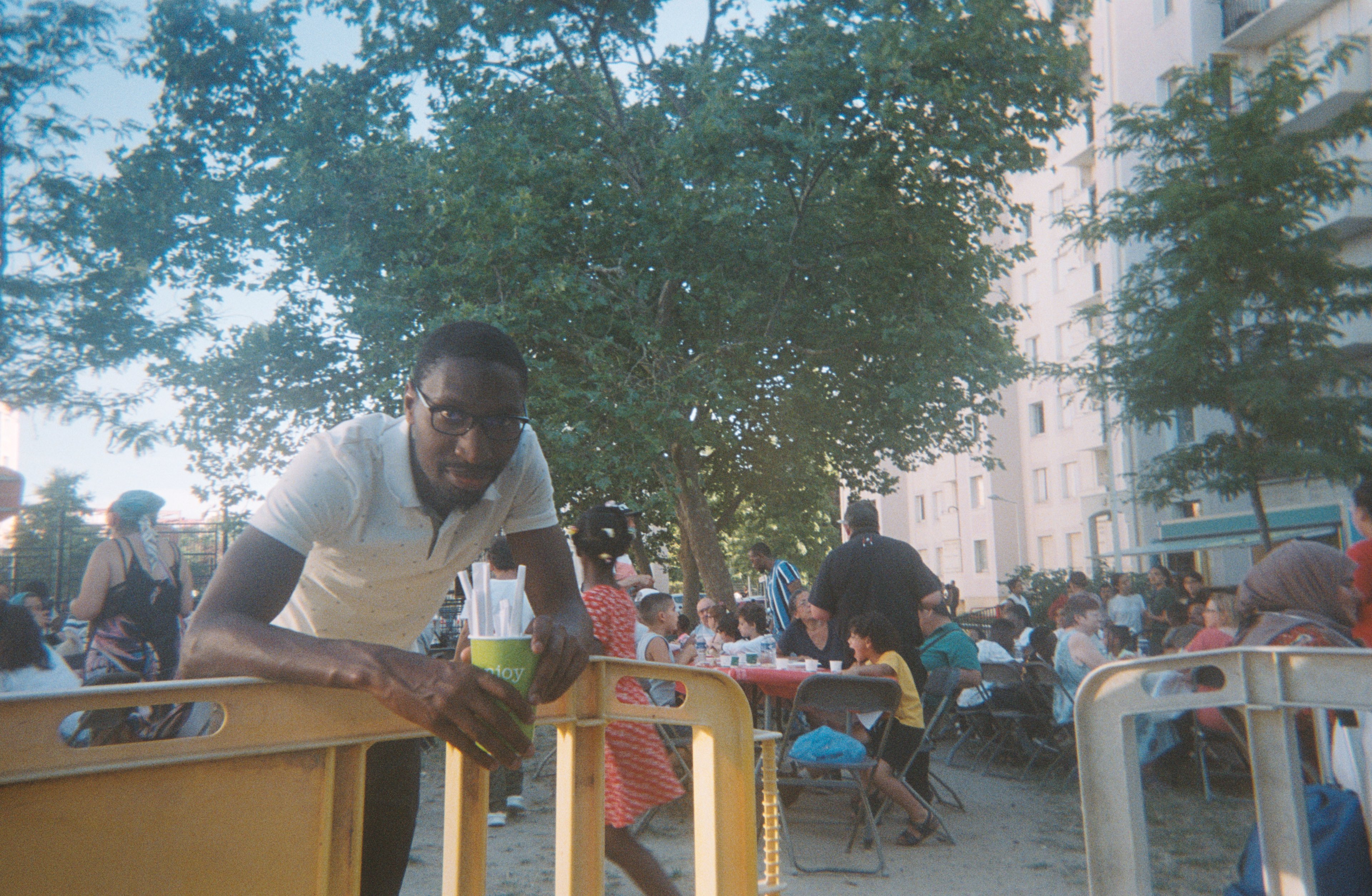
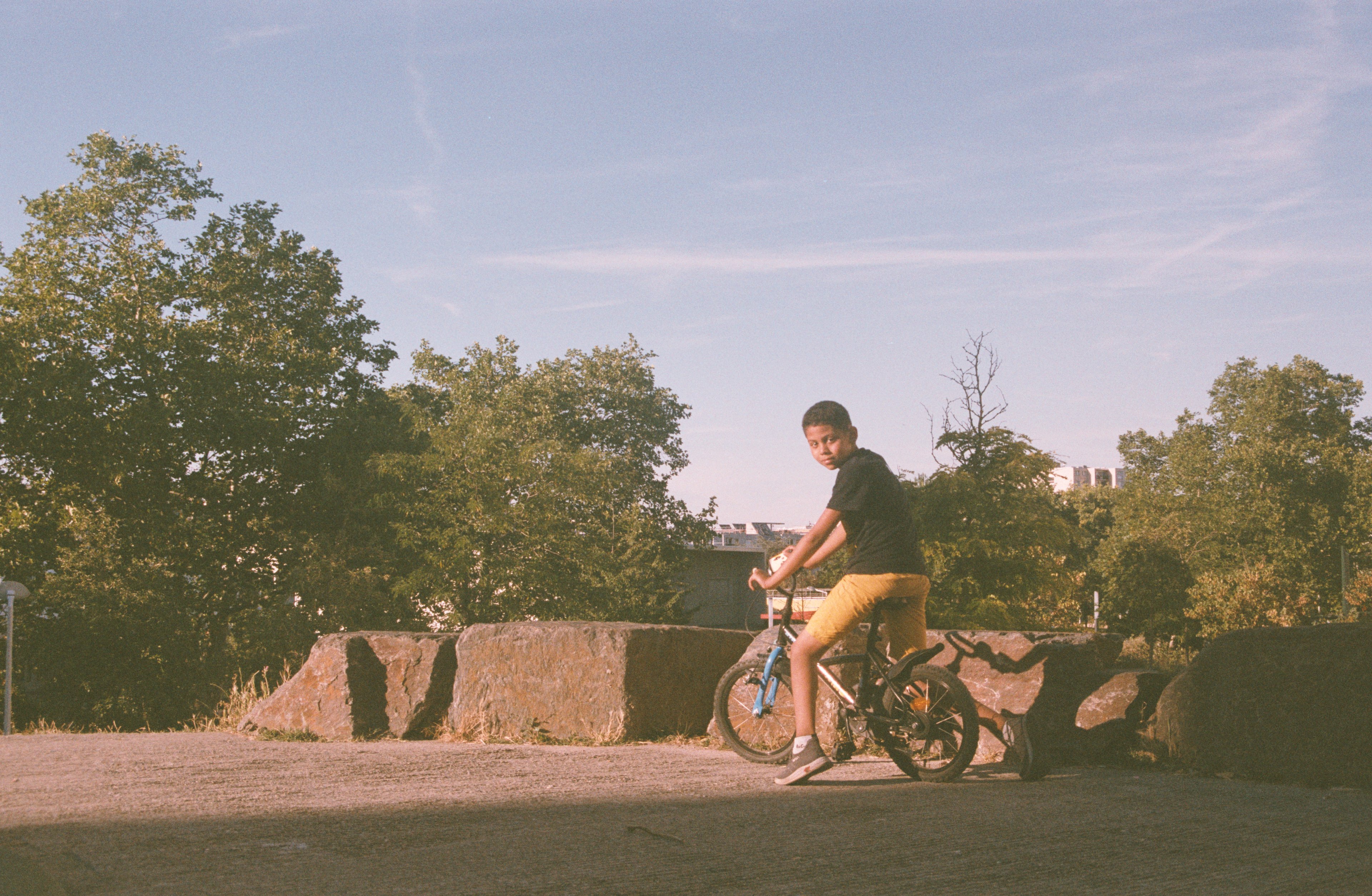
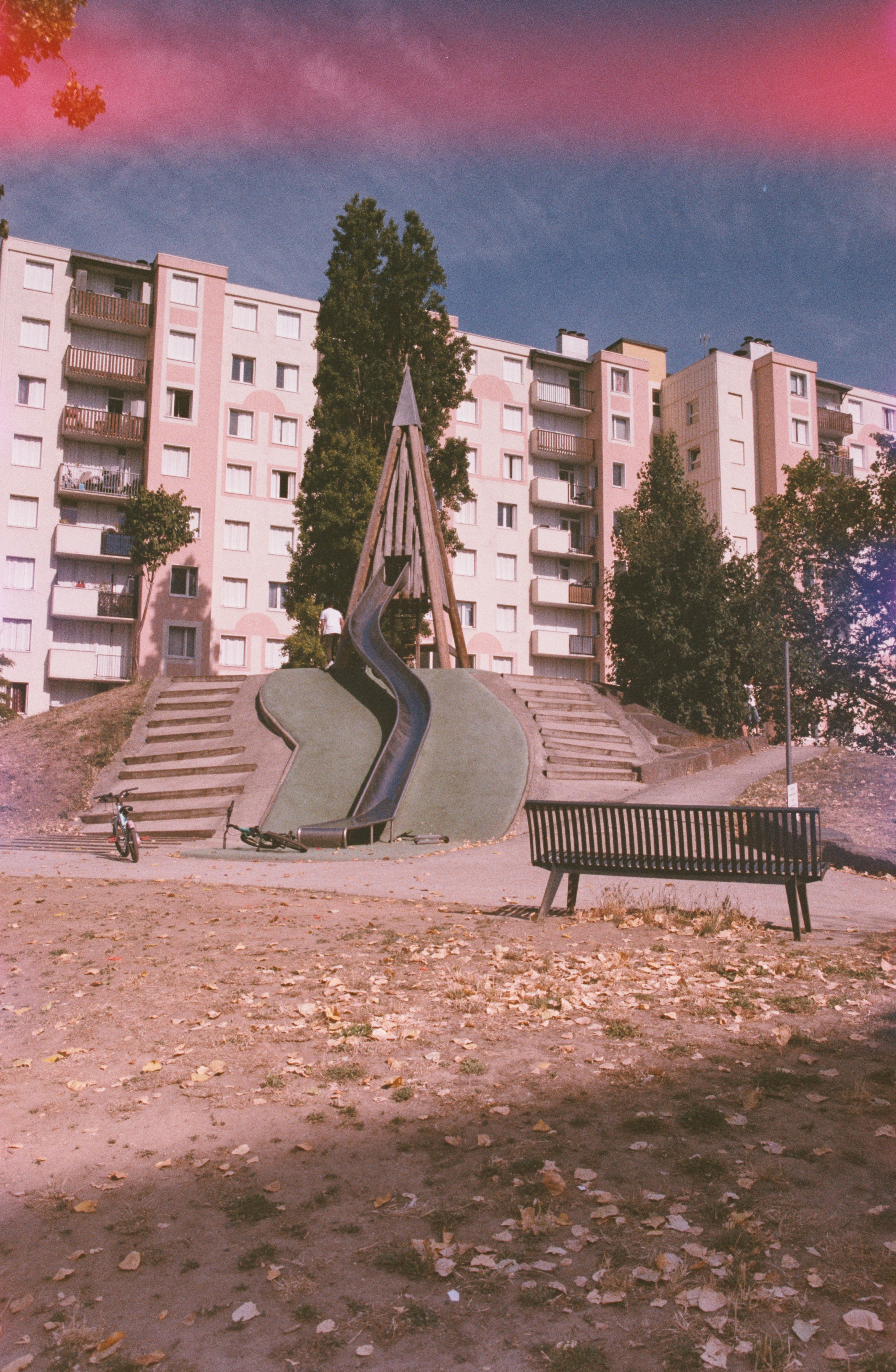
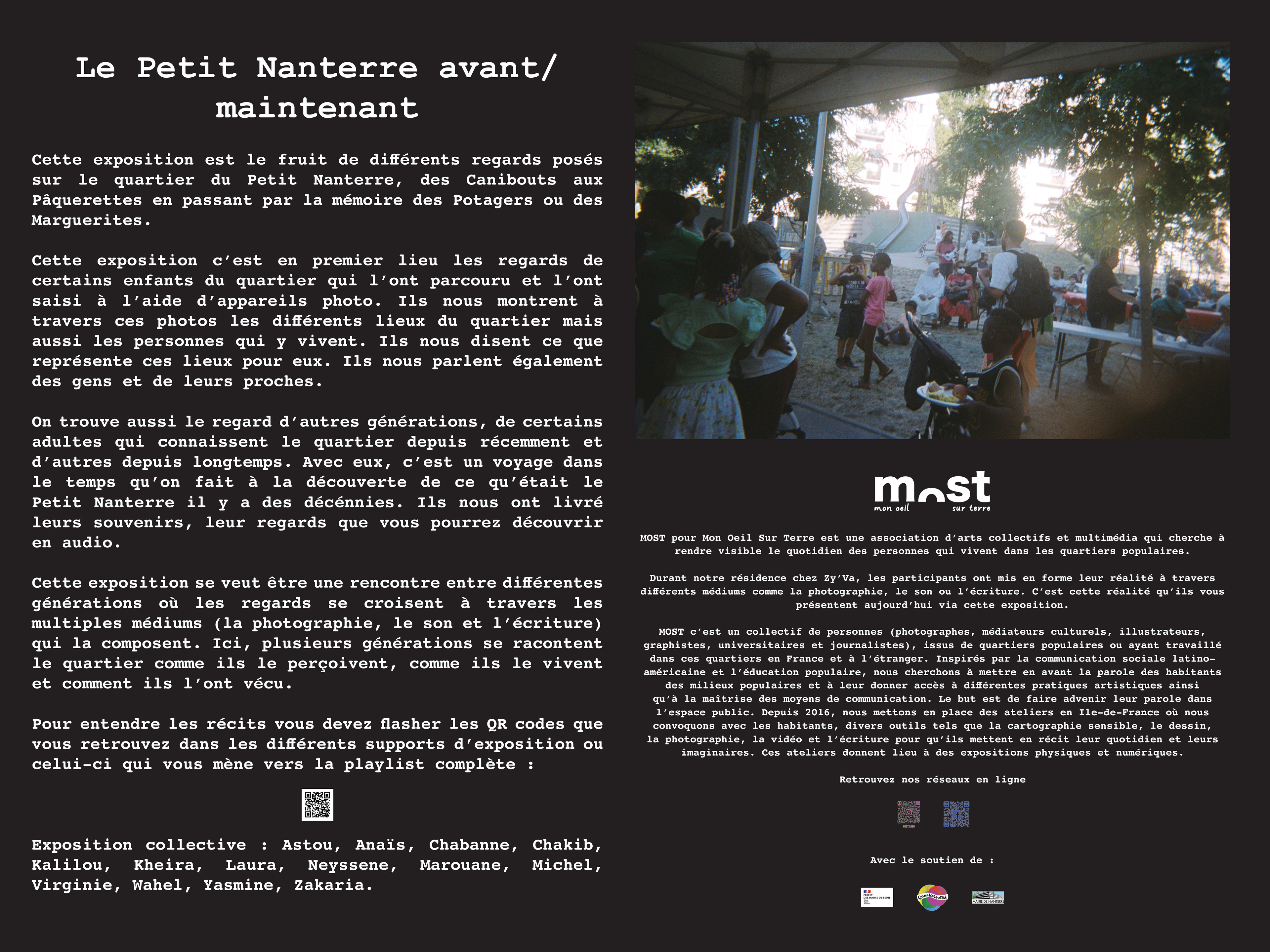
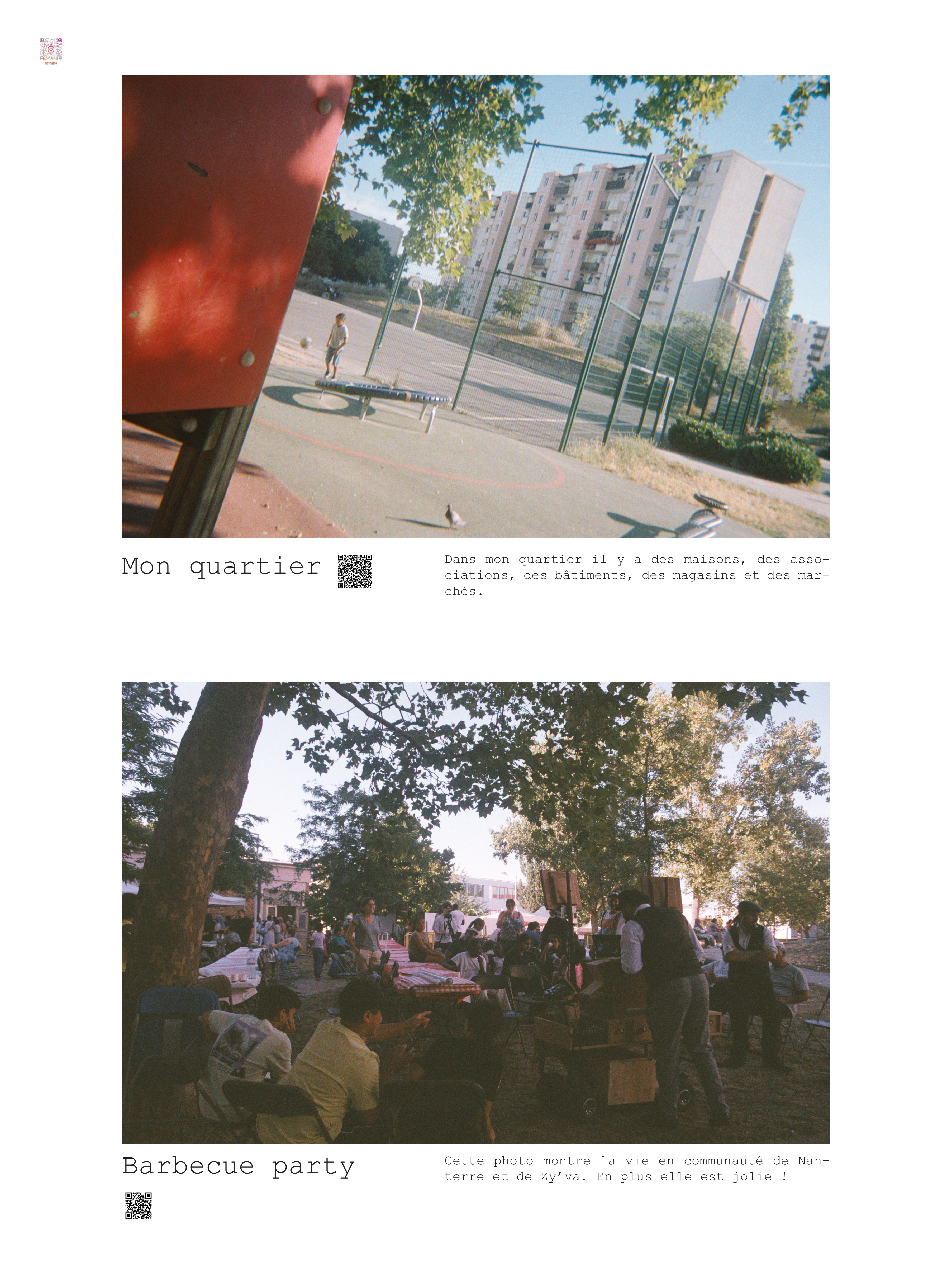
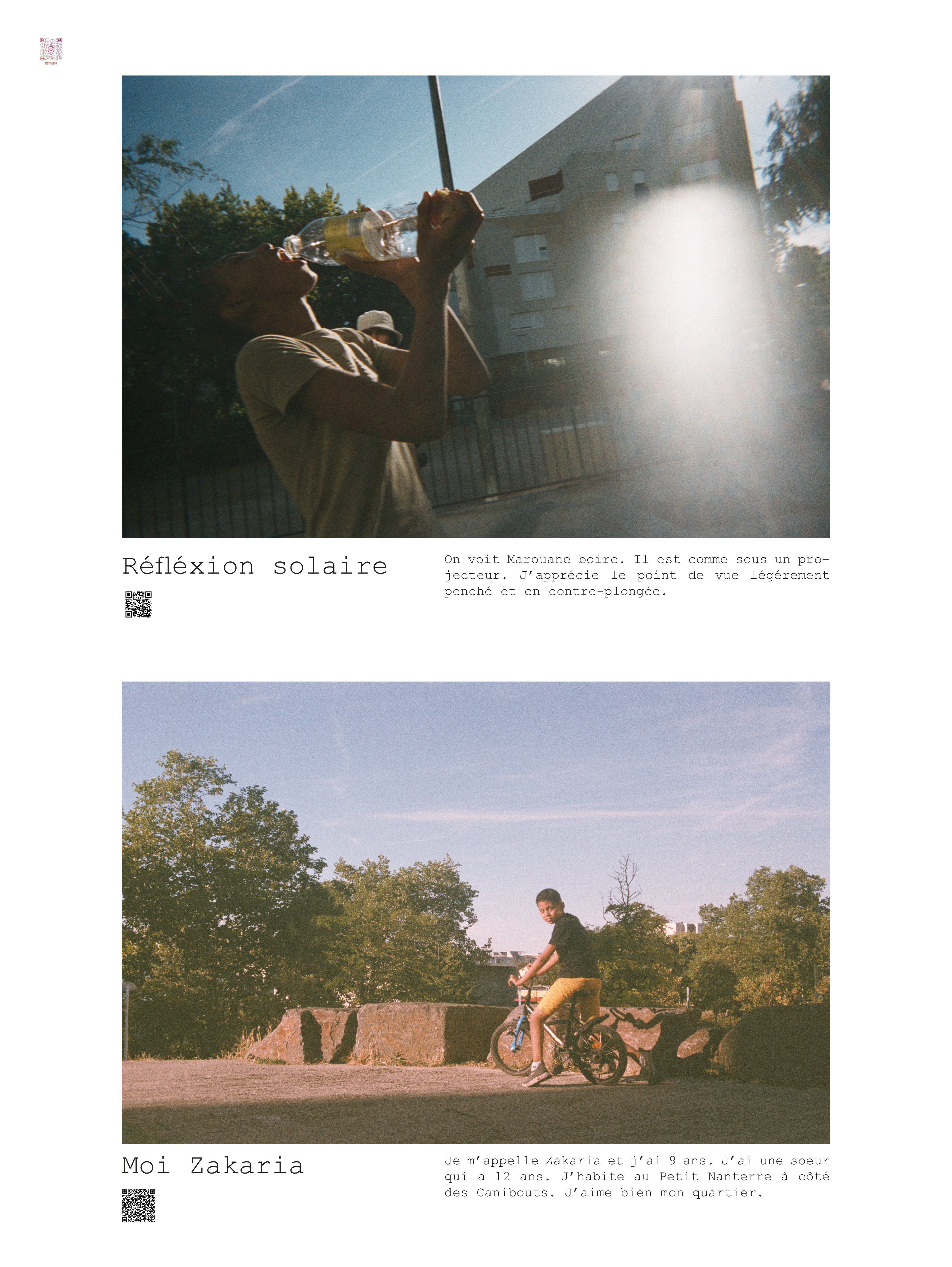
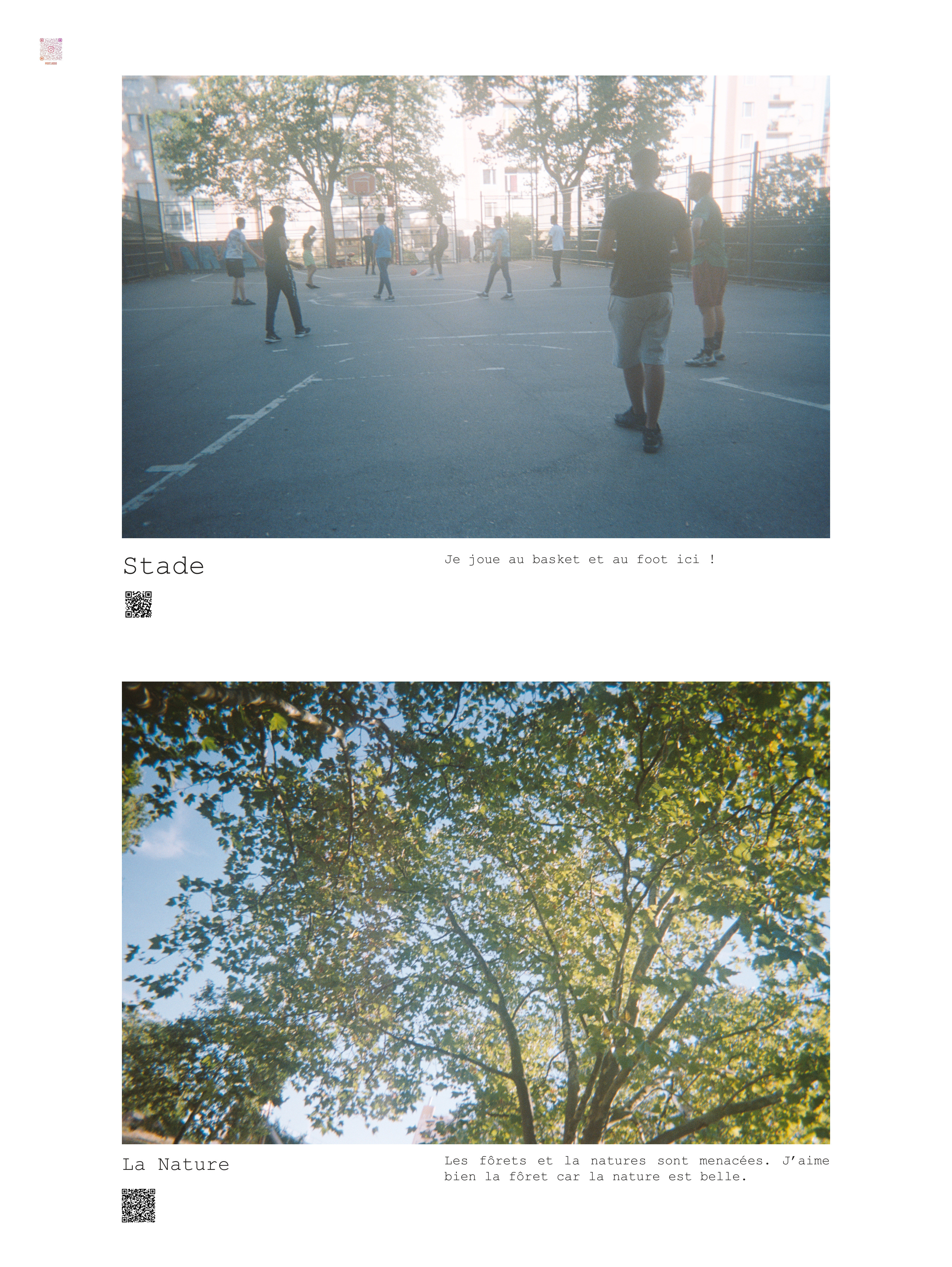
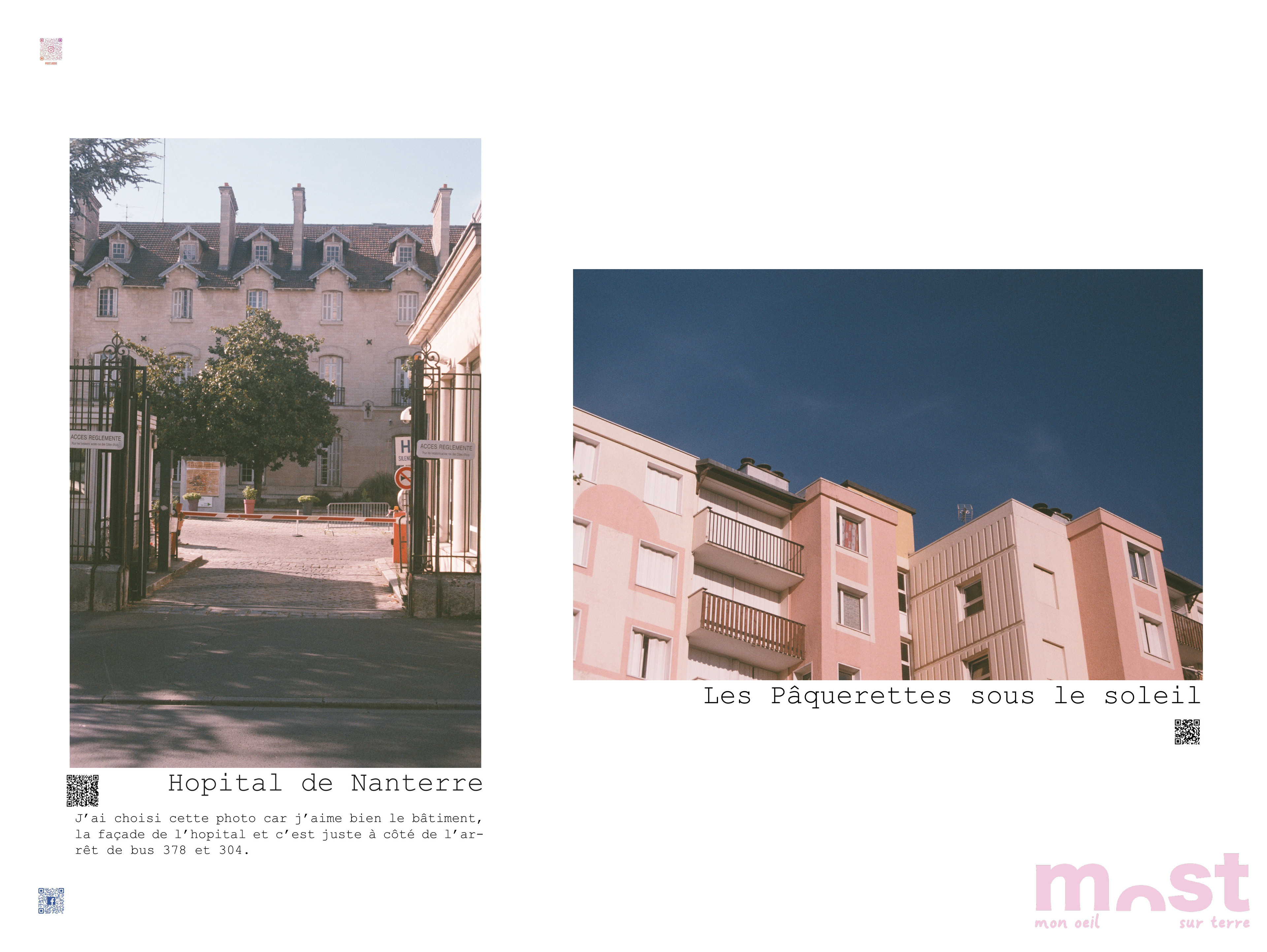
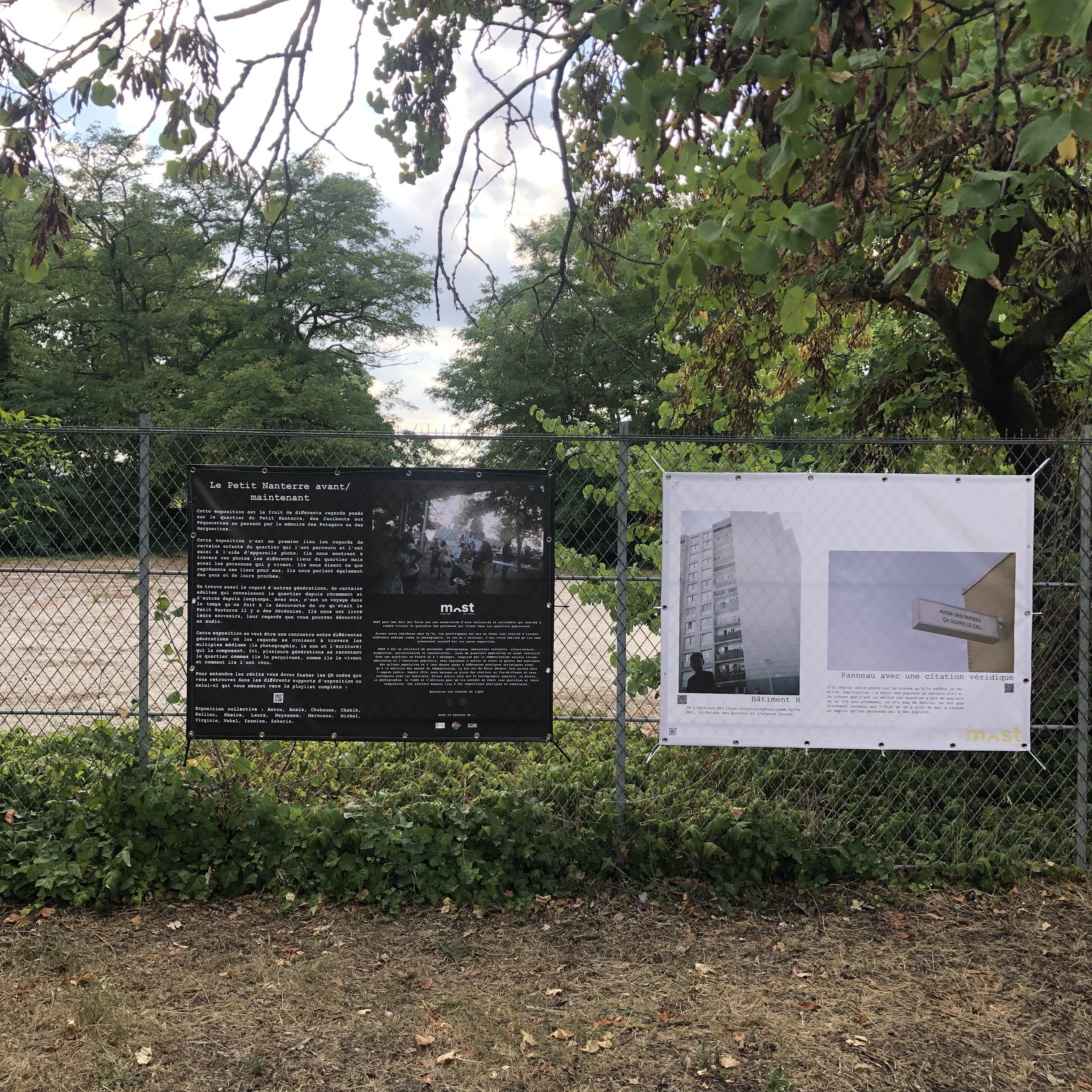
In 2022, with Zy’Va, children from the Petit Nanterre walked around their neighborhood with cameras, from the Canibouts to the Pâquerettes. They show the places, the people who live there, their families, and say what each place means to them: the big slide, the Fontaine school, the residence for migrant workers, the hospital. A few adults took photos too.
Alongside them, longtime residents told what the neighborhood was like decades ago, from the memory of the Potagers to that of the Marguerites: the shantytowns and the Algerian War, the ragpicker grandfather, the ice-cream men who gave the children credit, the bakery where mothers baked their cakes, the market, the weddings on the estate. In the exhibition, people listened to these stories by scanning QR codes placed next to the children’s photographs.
An exhibition where the generations meet: several generations tell each other about the neighborhood as they see it, live it and have lived it.
then / now
fifteen encounters
On one side, a photo by the children and what they say about it: that is now. On the other, a sentence from longtime residents, in their own voice: that is then. Press the circle to hear the passage.
now · 01 / 15
Les Pâquerettes sous le soleil
then
« Y avait pas de toilettes, il fallait sortir. Pas d’eau pour se laver, y avait rien. »
There were no toilets, you had to go outside. No water to wash, there was nothing.
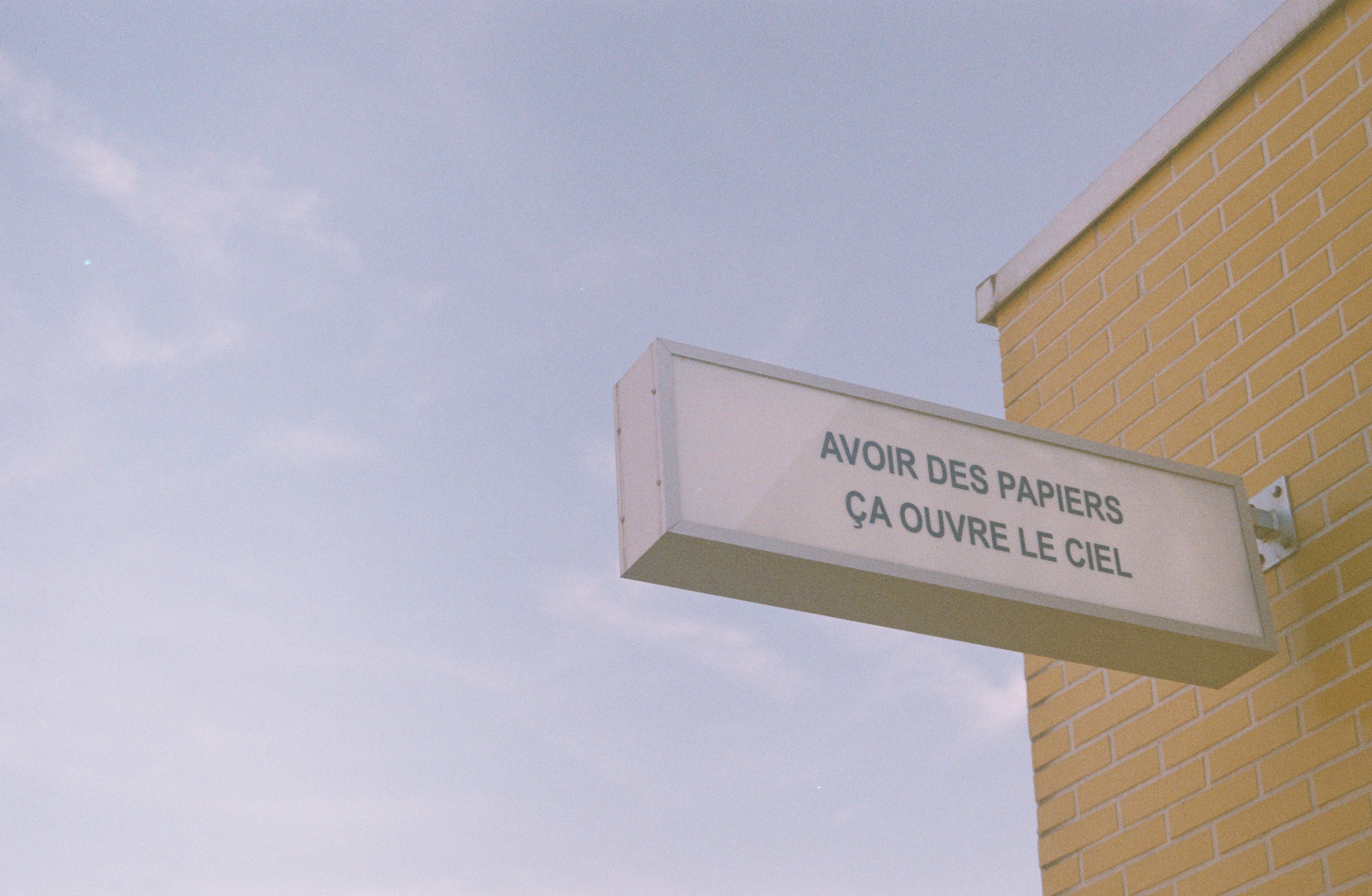
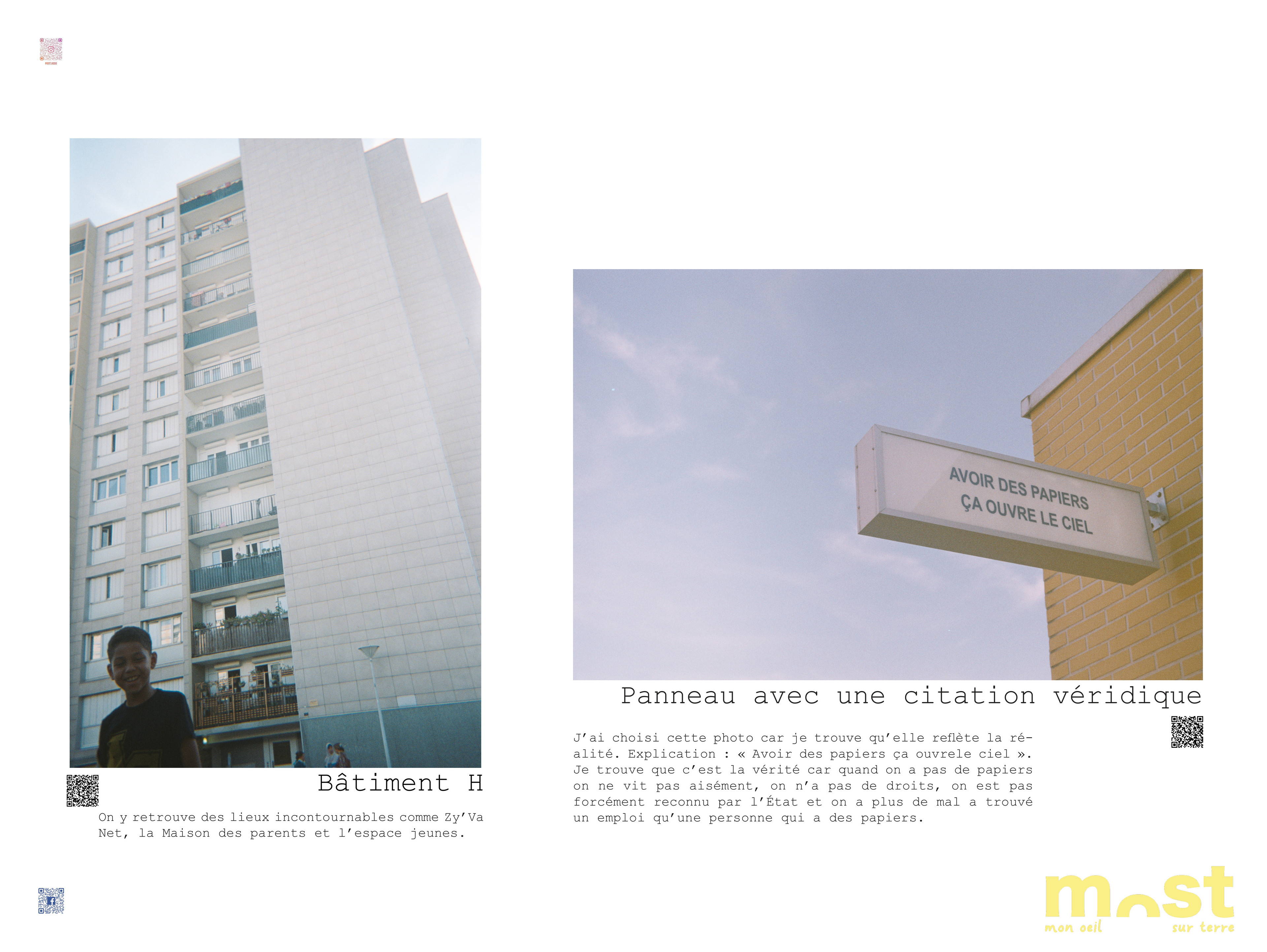
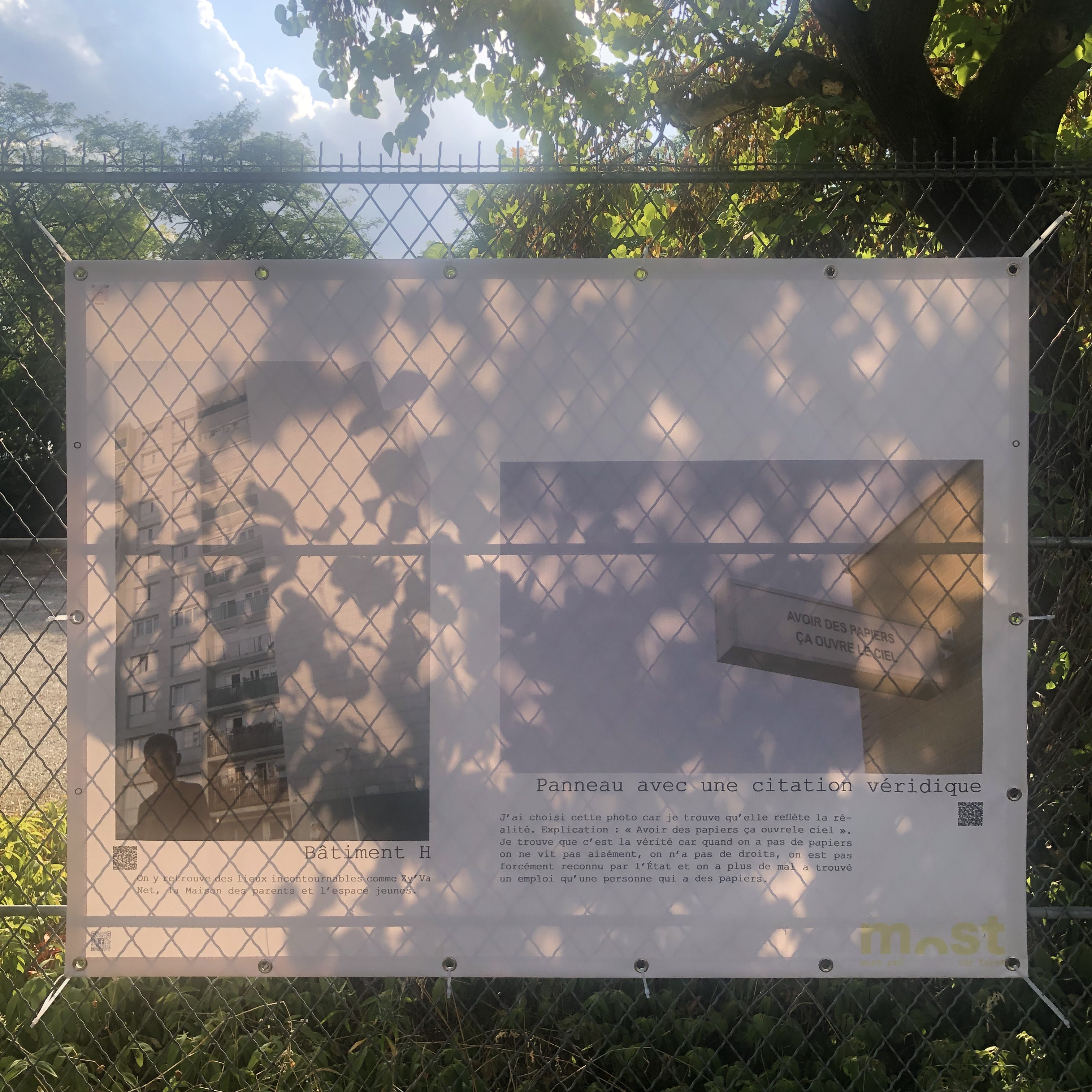
J’ai choisi cette photo car je trouve qu’elle reflète la réalité : « Avoir des papiers, ça ouvre le ciel ». Je trouve que c’est la vérité, car quand on n’a pas de papiers, on ne vit pas aisément, on n’a pas de droits, on n’est pas forcément reconnu par l’État, et on a plus de mal à trouver un emploi qu’une personne qui a des papiers.
I chose this photo because I think it reflects reality: “Having papers opens up the sky”. I think it’s true, because when you don’t have papers you don’t live easily, you have no rights, you are not necessarily recognized by the State, and it’s harder to find a job than for someone who has papers.
then
« Mon grand-père, c’était un biffin, c’était un chiffonnier. Il ramassait les chiffons pour faire nourrir sa famille. »
My grandfather was a “biffin,” a ragpicker. He collected rags to feed his family.
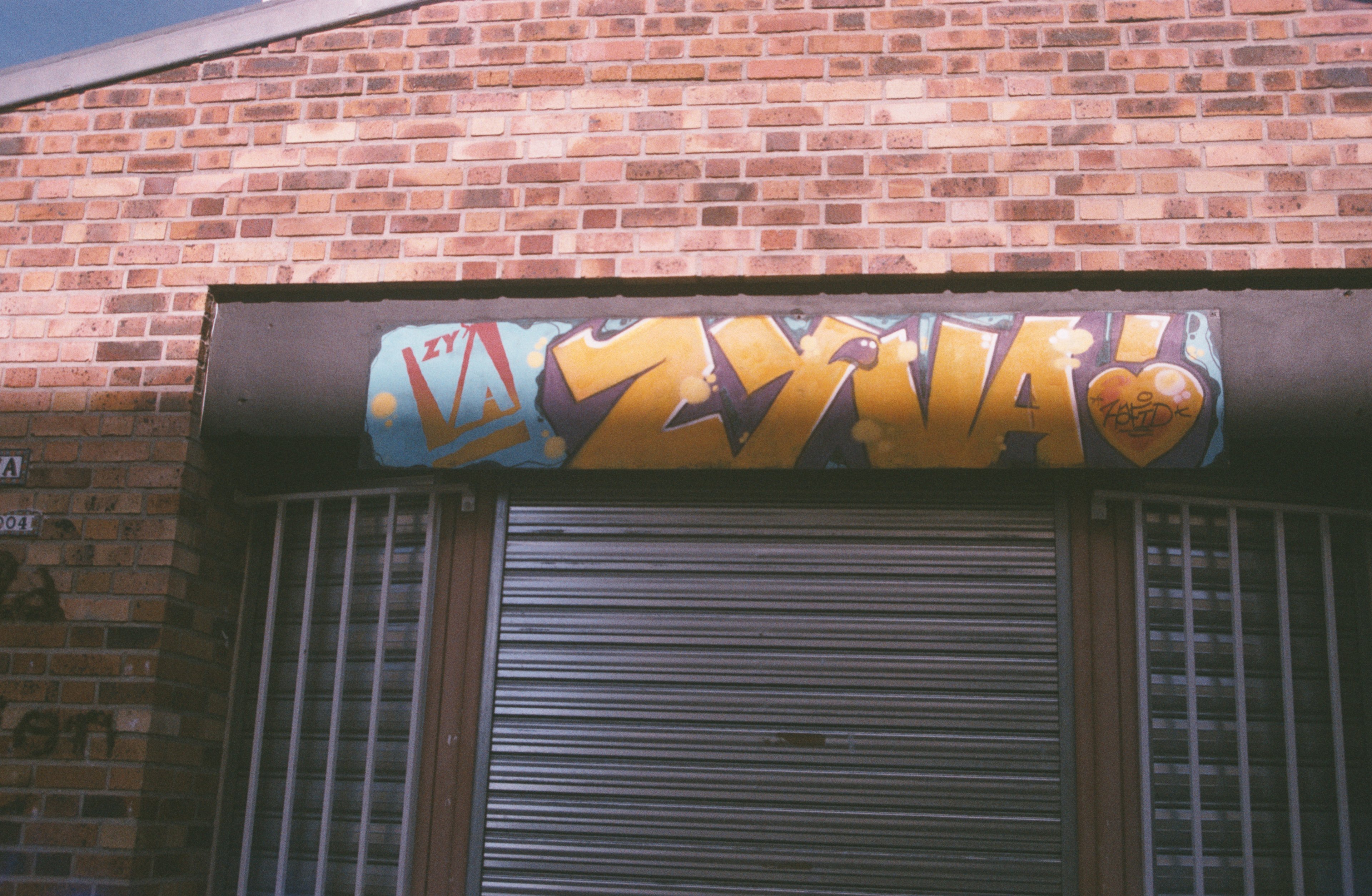
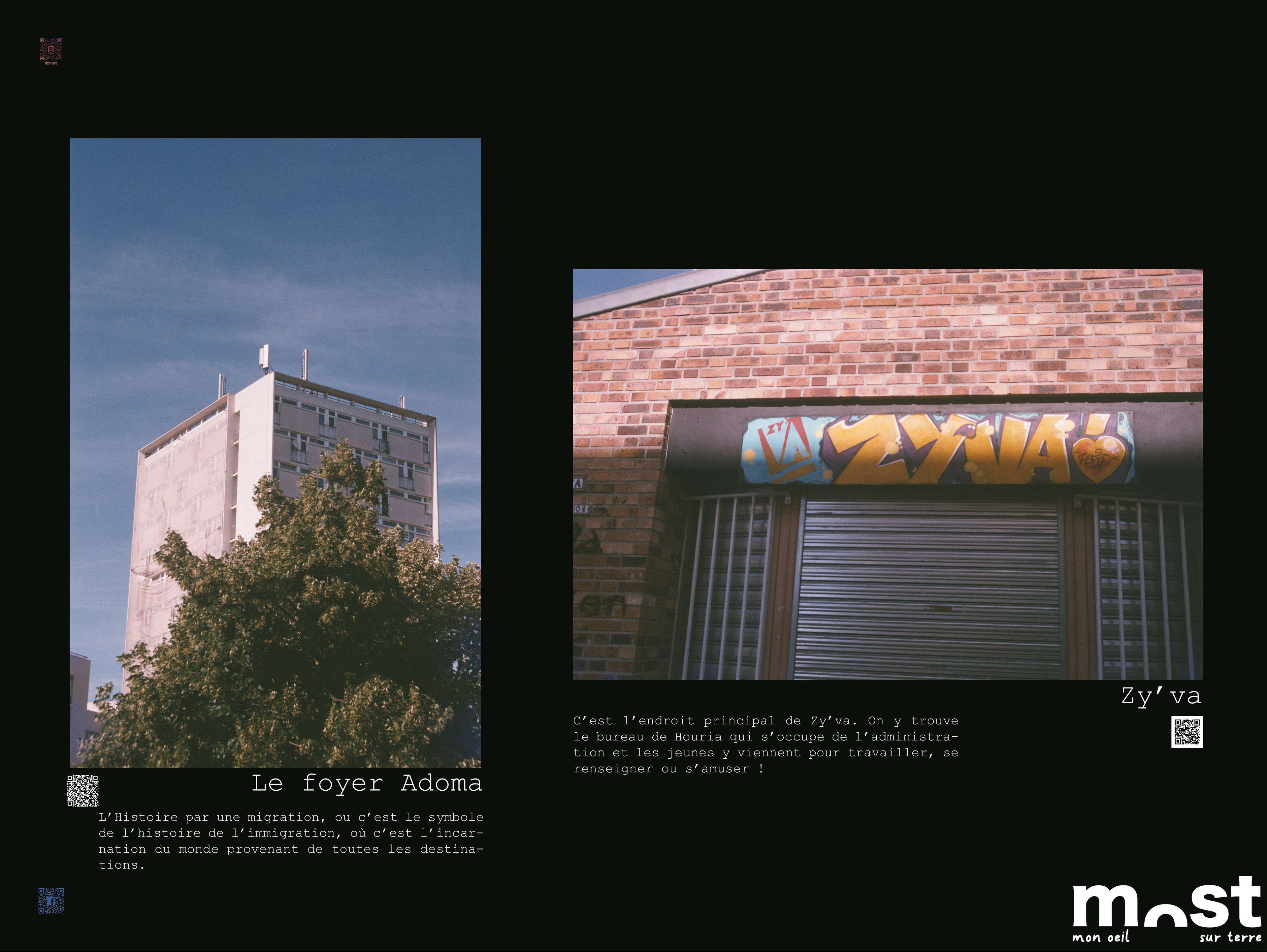
C’est l’endroit principal de Zy’Va. On y trouve le bureau de Houria, qui s’occupe de l’administration, et les jeunes y viennent pour travailler, se renseigner ou s’amuser !
It’s Zy’Va’s main place. You’ll find the office of Houria, who takes care of the administration, and young people come here to work, get information or have fun!
then
« Il me disait : non, tu travailles pas, je te donne de l’argent. Mais je peux pas, j’ai envie de gagner mon argent à moi. »
He’d say to me: no, you’re not working, I’ll give you money. But I can’t, I want to earn my own money.
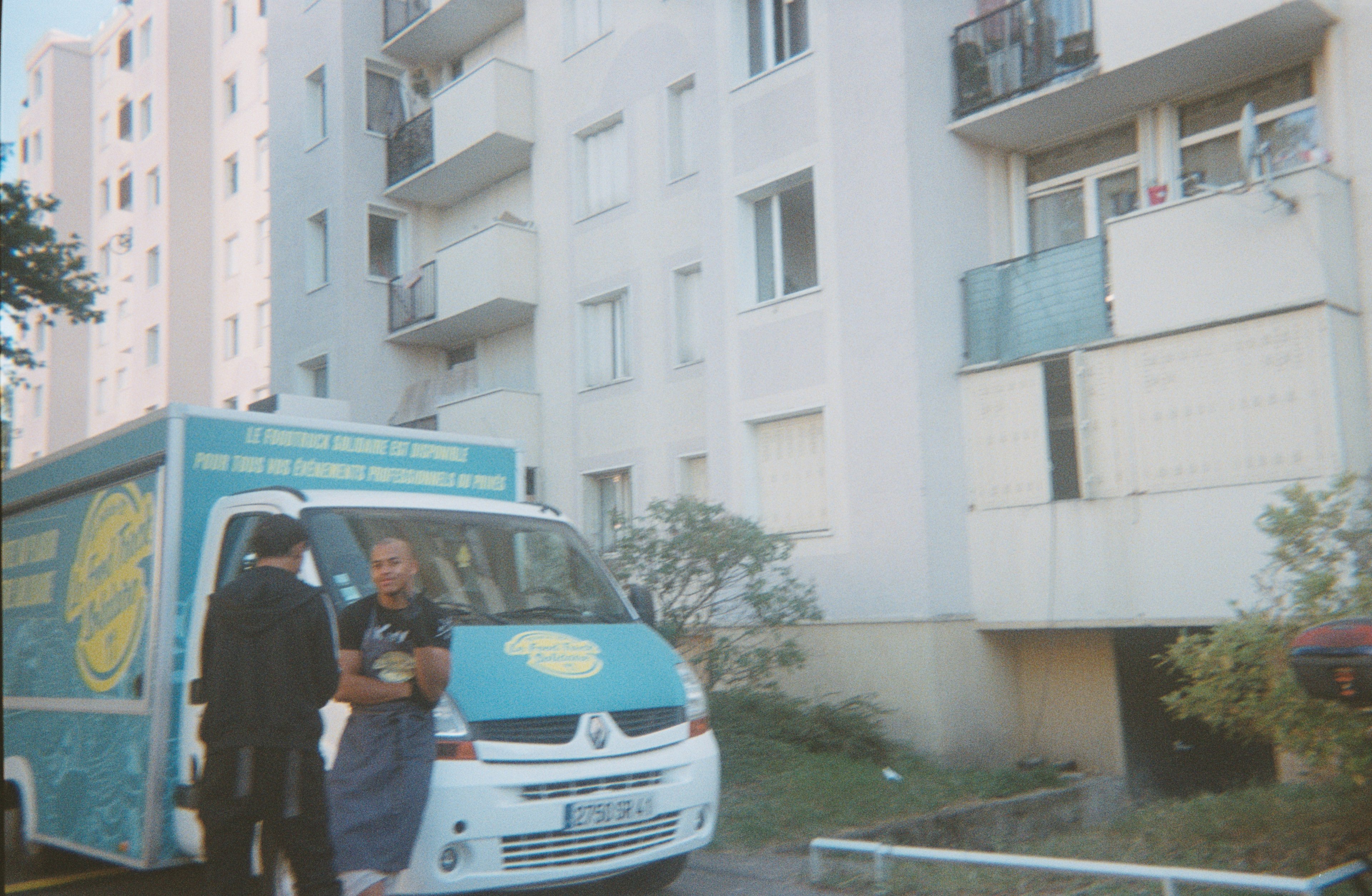
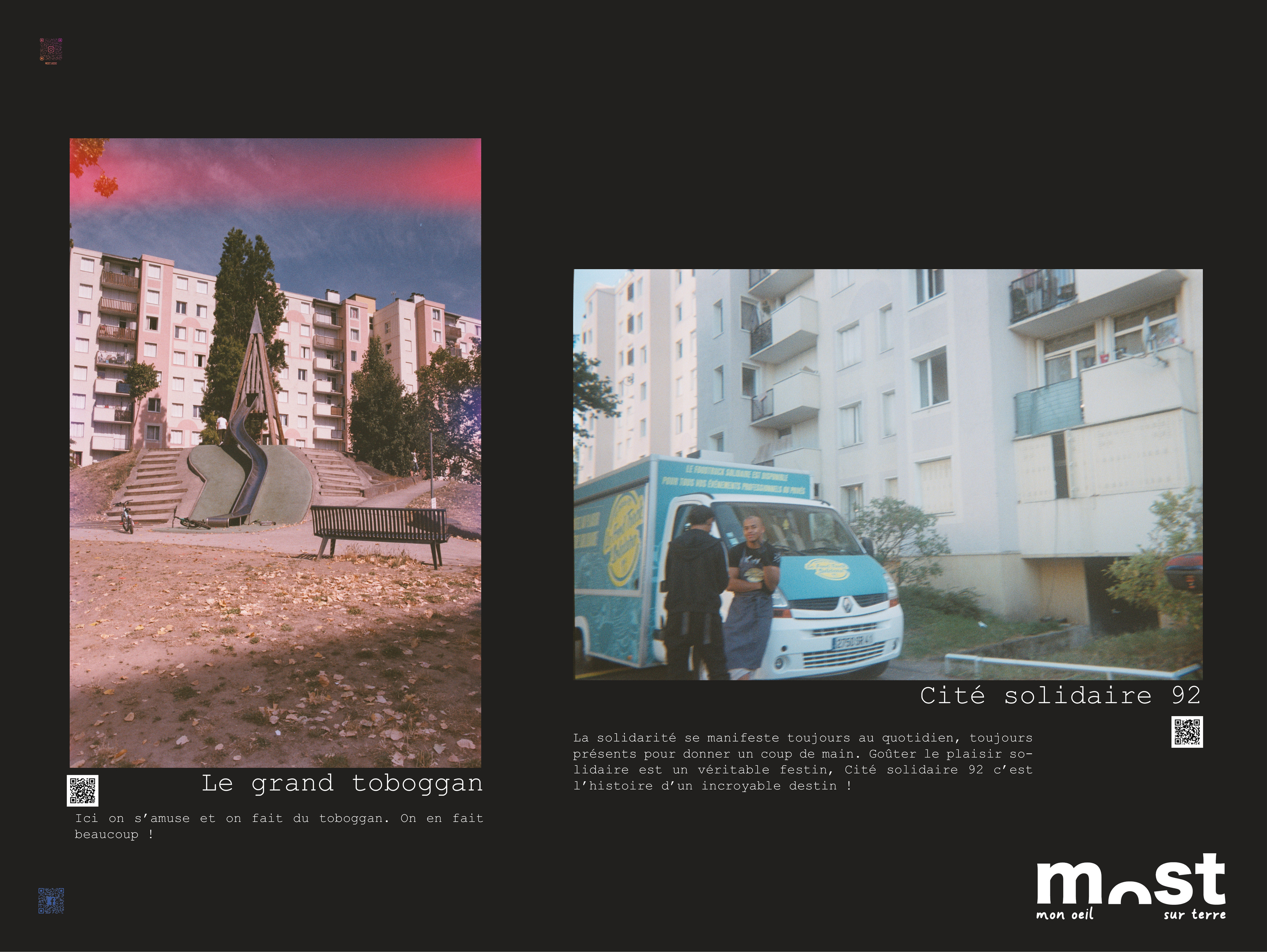
La solidarité se manifeste toujours au quotidien, toujours présents pour donner un coup de main. Goûter le plaisir solidaire est un véritable festin : Cité solidaire 92, c’est l’histoire d’un incroyable destin !
Solidarity shows up every day, always there to lend a hand. Tasting the pleasure of solidarity is a real feast: Cité solidaire 92 is the story of an incredible destiny!
then
« Pourquoi tu leur fais crédit ? Je connais, c’est la famille. On fait crédit aux enfants. »
Why do you give them credit? I know them, they’re family. We give the kids credit.
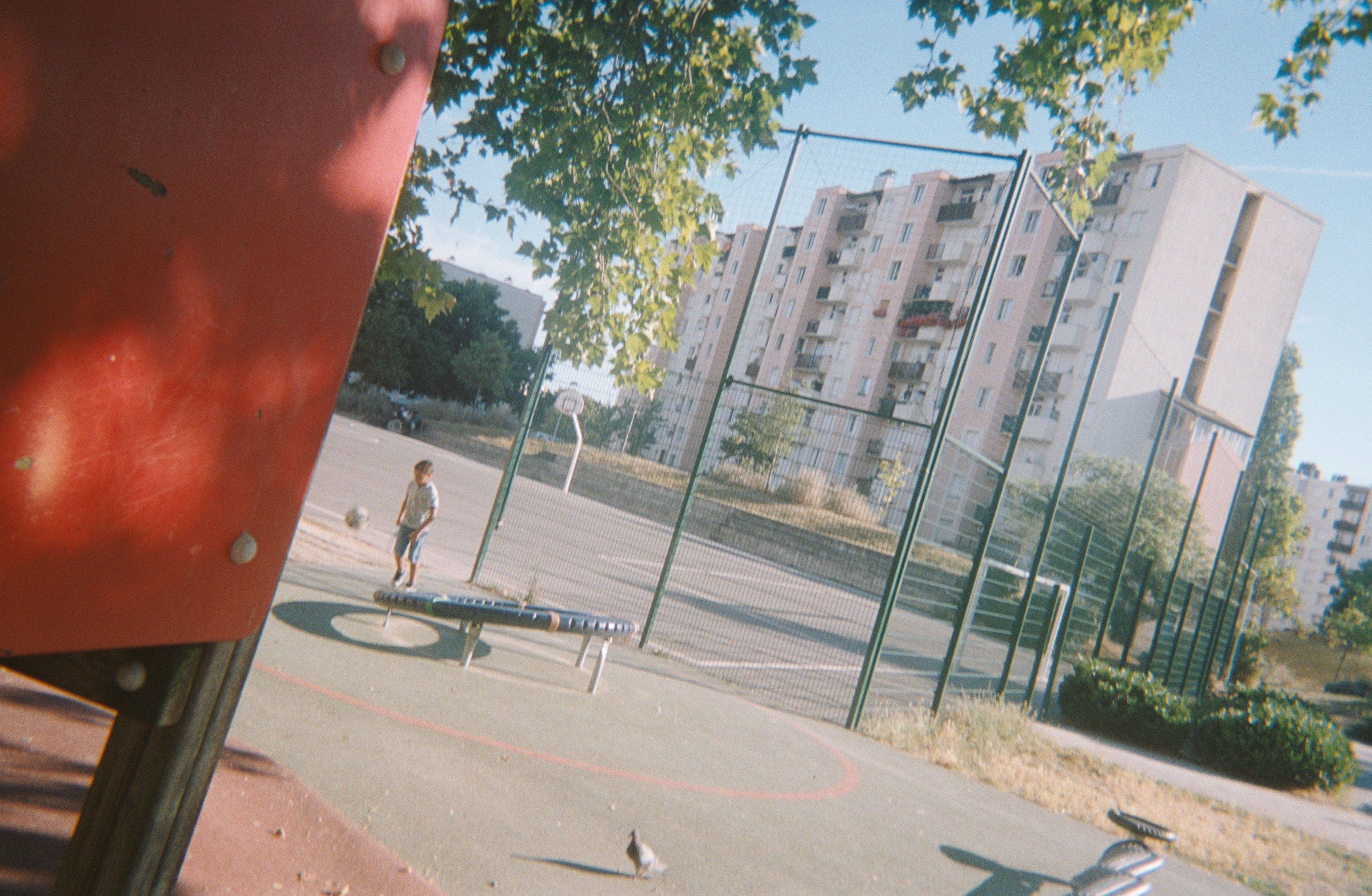
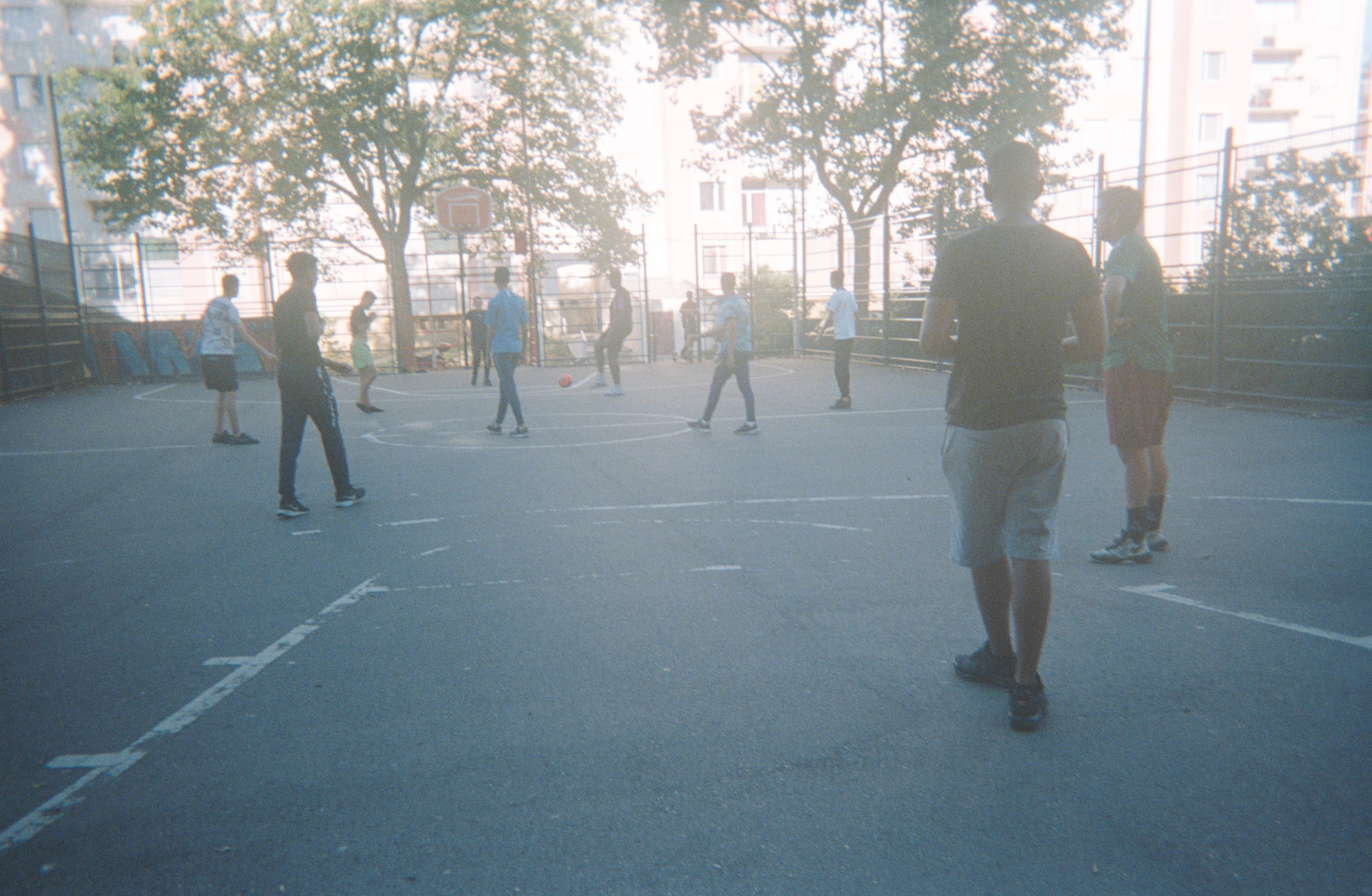
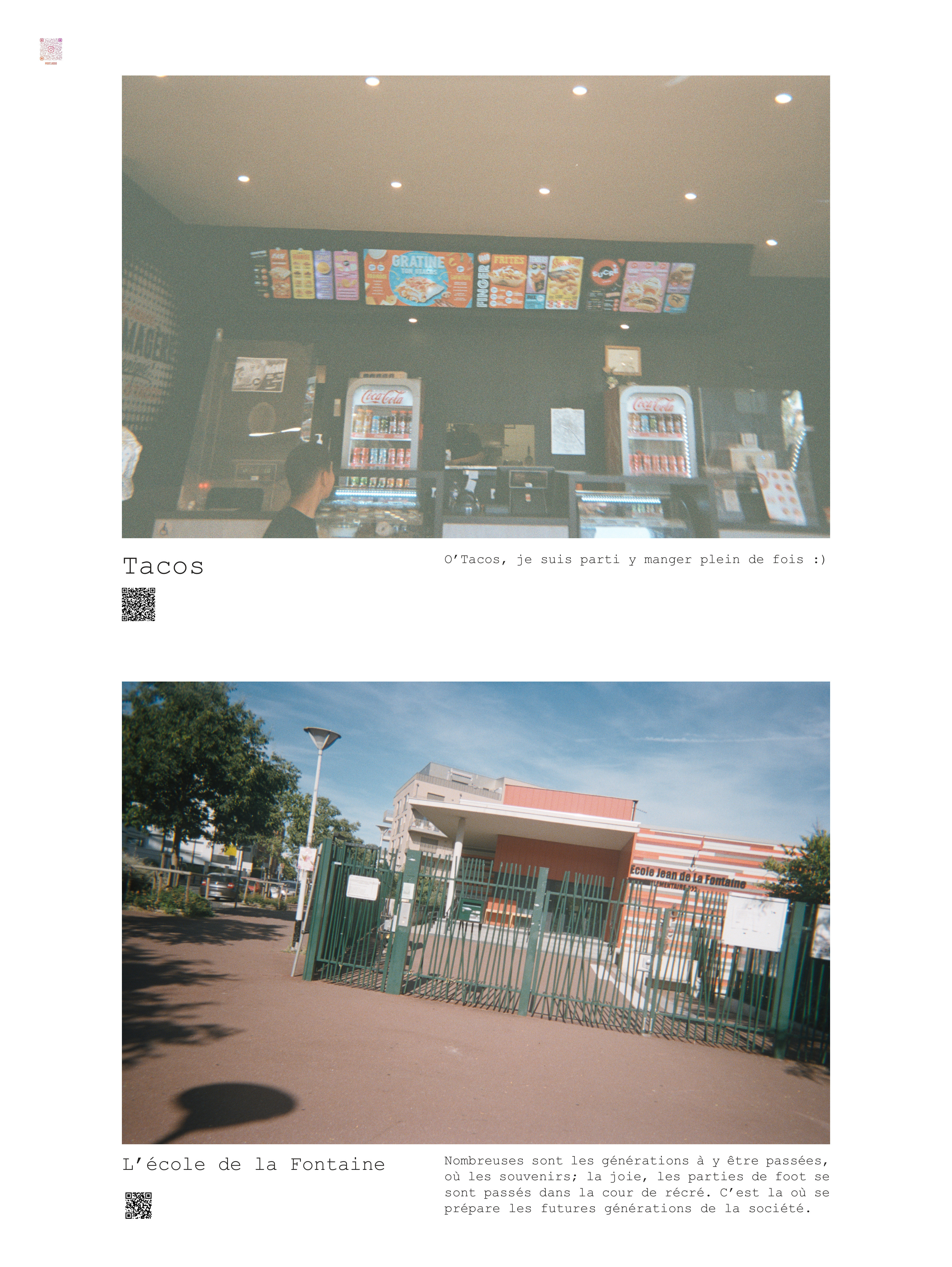
Nombreuses sont les générations à y être passées, où les souvenirs, la joie, les parties de foot se sont passés dans la cour de récré. C’est là que se préparent les futures générations de la société.
Many generations have gone through it, where the memories, the joy and the soccer games happened in the playground. It is where the future generations of society are prepared.
then
« J’ai vu tous les petits jeunes grandir, des Canibouts. (…) C’était plus familial, on se connaissait tous. »
I watched all the youngsters from the Canibouts grow up. (…) It was more like family, we all knew each other.
J’ai choisi cette image car, quand j’ai rencontré cette personne, je me suis senti en sécurité et à l’aise. Cette personne est fascinante, il est réaliste, tire les gens vers le haut et les pousse à aller de l’avant. Il est intelligent, perspicace et passionné par son travail. C’est agréable de passer du temps avec lui.
I chose this picture because when I met this person, I felt safe and at ease. This person is fascinating, he is realistic, lifts people up and pushes them to move forward. He is smart, sharp and passionate about his work. It’s nice to spend time with him.
then
« Aujourd’hui, c’est une connexion virtuelle. Alors qu’avant, c’était du vrai lien. »
Today it’s a virtual connection. Whereas before, it was a real bond.
Fourteen memories told by longtime residents: the rag-and-bone grandfather, the shantytowns, the ice cream sellers, the coal-fired bakery, the market, the phone booths, the parties of the old days. In the exhibition, visitors listened to them by scanning the QR codes placed next to the children’s photos. Here, you can listen to them one after another, and read them.
mon grand-père habitait déjà à nanterre !my grandfather already lived in nanterre!« Mon grand-père, c’était un biffin, un chiffonnier. »My grandfather was a “biffin,” a ragpicker.
0:51read the story (in French, with a translation)
Si je venais à Nanterre, c’était pour voir mon grand-père, mes oncles et mes tantes.If I came to Nanterre, it was to see my grandfather, my uncles and my aunts.
Donc vous veniez avant d’y habiter ?So you came before you lived here?
Oui, oui. Je suis né dans les années 60.Yes, yes. I was born in the sixties.
Mon père habitait à Nanterre, rue des Acacias.My father lived in Nanterre, on rue des Acacias.
Toute la famille de mon père… Mon grand-père, c’était un biffin, un chiffonnier. Il ramassait les chiffons pour nourrir sa famille. Il habitait dans ce secteur, il y travaillait aussi.My father’s whole family… My grandfather was a biffin, a rag-and-bone man. He collected rags to feed his family. He lived in this area, and he worked here too.
les bidonvilles et la guerre d’algériethe shantytowns and the algerian war« J’ai envie de gagner mon argent à moi. »I want to earn my own money.
1:39read the story (in French, with a translation)
Il n’y avait pas de toilettes, il fallait sortir. Pas d’eau pour se laver, pas d’électricité. Il n’y avait rien.There were no toilets, you had to go outside. No water to wash, no electricity. There was nothing.
La guerre d’Algérie… Ceux qu’on a tués, jetés à la Seine. À l’époque, ma mère, ça l’a traumatisée. Ça m’a traumatisée.The Algerian war… Those who were killed, thrown into the Seine. At the time, it traumatized my mother. It traumatized me.
Mon père travaillait à la papeterie de la Seine, là où il y a la mosquée maintenant. Il n’avait pas le droit de sortir, mais il fallait bien qu’il aille travailler, sinon le patron le virait.My father worked at the Seine paper mill, where the mosque is now. He wasn’t allowed out, but he had to go to work, otherwise the boss would fire him.
Il y a de beaux souvenirs et des mauvais. Le beau souvenir, c’est qu’ils étaient tous solidaires. Il y avait des assistantes sociales qui venaient les aider, des étudiants de la fac pour ceux qui voulaient apprendre le français.There are good memories and bad ones. The good memory is that they all stuck together. Social workers came to help them, university students for those who wanted to learn French.
Ma mère voulait apprendre. Mon père ne l’a pas laissée.My mother wanted to learn. My father didn’t let her.
Elle m’a dit : ma fille, à l’époque, c’était cette mentalité de la femme au foyer. Il disait : non, tu ne travailles pas, je te donne de l’argent. Et elle : j’ai envie de gagner mon argent à moi.She told me: my daughter, back then, it was that housewife mentality. He would say: no, you don’t work, I give you money. And she: I want to earn my own money.
les petits bérets bleus, hôpital de nanterrethe little blue berets, nanterre hospital« Nous, on les appelait les petits vieux de Nanterre, les petits bleus. »We called them the little old men of Nanterre, the little blues.
1:45read the story (in French, with a translation)
Moi, j’ai connu les petits bleus, ceux de la guerre. Tout en bleu.Me, I knew the little blues, the ones from the war. All in blue.
Est-ce qu’ils vous racontaient un peu leur guerre ?Did they tell you a bit about their war?
Il avait ses camarades de guerre. Lui, il avait connu la guerre. Après, il est resté là.He had his comrades from the war. He had been through the war. Afterwards, he stayed here.
C’étaient des gens qui vivaient à l’hôpital de Nanterre ?They were people who lived at the Nanterre hospital?
Il y a encore des cellules, de l’époque de la Gestapo. Je travaillais là. Avant, ça appartenait à la préfecture de Paris.There are still cells from the Gestapo era. I worked there. It used to belong to the Paris préfecture.
Tous les SDF, on les amenait à l’hôpital de Nanterre. Vous ne voyez pas un SDF aux Champs-Élysées : on les ramassait avec le car, et on les ramenait là.All the homeless people were brought to the Nanterre hospital. You don’t see a homeless person on the Champs-Élysées: they were picked up with the bus and brought back here.
Et nous, avant, c’étaient les petits bérets bleus, ceux qui avaient fait la guerre. Ils prenaient leur coup de vin, mais ils étaient respectueux : ils ne jetaient pas leurs bouteilles par terre. Ils vivaient à l’hôpital, ils étaient habillés en bleu, ils avaient un béret bleu. Nous, on les appelait les petits vieux de Nanterre, les petits bleus.And for us, back then, it was the little blue berets, the ones who had fought in the war. They had their glass of wine, but they were respectful: they didn’t throw their bottles on the ground. They lived at the hospital, they were dressed in blue, they had a blue beret. We called them the little old men of Nanterre, the little blues.
Ils étaient habillés tout en bleu. C’était sympa. Moi, je préférais les petits vieux.They were dressed all in blue. It was nice. Me, I preferred the little old men.
le marché des quatre cheminsthe quatre chemins market« Si tu négocies pas, tu n’y arriveras jamais. »If you don’t haggle, you’ll never get anywhere.
1:54read the story (in French, with a translation)
C’est vrai que ça manque de commerces. Là, c’était un grand marché, il allait jusqu’à la limite. Je me rappelle, quand j’y allais avec ma mère : on partait à 9 heures, on rentrait deux heures après.It’s true there aren’t enough shops. Here, it was a big market, it went all the way to the edge. I remember going there with my mother: we left at 9 and came back two hours later.
On connaissait tous les commerçants. Je disais à ma mère : tu connais tout le monde ! Il y avait un lien qui s’était créé.We knew all the shopkeepers. I’d tell my mother: you know everyone! A bond had formed.
Ma mère me disait : si tu négocies pas, tu n’y arriveras jamais. Mon beau-père aussi, il négociait. Nous, on avait honte.My mother used to tell me: if you don’t haggle, you’ll never make it. My stepfather haggled too. We were embarrassed.
Aujourd’hui, tu prends 50 euros, il ne te reste plus rien. Là, tu achetais des produits frais, c’était bio. C’était bon.Today, you take 50 euros and there’s nothing left. There, you bought fresh produce, it was organic. It was good.
On avait des fruits de saison, des légumes de saison.We had seasonal fruit, seasonal vegetables.
Tout le monde connaissait tout le monde, le marchand aussi.Everyone knew everyone, the vendor too.
Il y en avait un qui faisait toutes les herbes, la menthe, tous les légumes. Il y avait les poissonniers, puis le marchand d’olives : mon mari achetait chez lui.There was one who sold all the herbs, the mint, all the vegetables. There were the fishmongers, and then the olive seller: my husband bought from him.
la boulangerie, encore !the bakery, again!« Il marquait le nom : vous venez les chercher à telle heure. »He wrote down the name: come pick them up at such and such a time.
1:27read the story (in French, with a translation)
La boulangerie ? Excellente, très très bonne. Quand je suis arrivé, ma femme l’appelait Cochona.The bakery? Excellent, very, very good. When I arrived, my wife called it Cochona.
Pourquoi elle l’appelait comme ça ?Why did she call it that?
Parce que c’était dans le nom de famille, je crois.Because it was in the family name, I think.
Ma femme me disait : on va aller chez Cochona. Moi, je débarquais, je lui disais : mais c’est qui ?My wife would say: let’s go to Cochona’s. Me, I was new here, I’d say: but who’s that?
Je ne connais pas son nom de famille. C’est Éric.I don’t know his last name. It’s Éric.
Et le pain, vous disiez qu’il était très bon ?And the bread, you said it was very good?
Il était très bon.It was very good.
C’était au charbon. Et les mamans, les gâteaux : on n’avait pas de four, alors on les faisait cuire chez lui. Ma mère me donnait les gâteaux, je les apportais.It was coal-fired. And the mothers, the cakes: we didn’t have ovens, so we had them baked at his place. My mother gave me the cakes, I took them over.
Les mamans se réunissaient, faisaient les gâteaux, et nous, on les emmenait. Il marquait le nom : vous venez les chercher à telle heure. Ça, c’était bien.The mothers got together, made the cakes, and we took them over. He wrote down the name: come and pick them up at such and such a time. That was nice.
le pain de chez cochona et les réseaux sociauxthe bread from cochona’s and social media« On n’avait pas les portables, on communiquait entre nous. »We didn’t have cell phones, we talked to each other.
0:44read the story (in French, with a translation)
Le pain, c’était au charbon. Quand vous voyiez le mari, vous n’aviez pas envie de manger le pain… mais le pain était bon ! Il était bon. Un pain comme ça, si bon.The bread was coal-fired. When you saw the husband, you didn’t feel like eating the bread… but the bread was good! It was good. Bread like that, so good.
Eux, ils n’ont pas connu ça. Nous, on était contents avec ça.They never knew that. We were happy with that.
Les réseaux sociaux, on n’avait pas. On n’avait pas les portables, on communiquait entre nous. Aujourd’hui, même les enfants m’envoient un SMS : on mange quoi ?Social media, we didn’t have. We didn’t have cell phones, we talked to each other. Today, even the kids text me: what’s for dinner?
le bavard (histoire du boucher qui parlait trop)the chatterbox (the story of the butcher who talked too much)« Vous veniez pour une chose, et vous restiez trois heures à discuter. »You came in for one thing and stayed three hours chatting.
1:10read the story (in French, with a translation)
Même à la boucherie : le Bavard, le boucher, il était super. On l’appelait le Bavard parce que…Even at the butcher’s: the Chatterbox, the butcher, he was great. We called him the Chatterbox because…
vous veniez pour une chose, et vous restiez trois heures à discuter.you came for one thing, and you stayed three hours chatting.
Attendez, j’ai la viande… Tu reviens trois heures après !Hang on, I’ve got the meat… You come back three hours later!
C’était comme le pain : c’était bon. Les saucissons, les merguez… Pas comme les saucissons d’aujourd’hui, sous plastique.It was like the bread: it was good. The saucissons, the merguez… Not like today’s sausages, wrapped in plastic.
Qu’est-ce que c’était bon ! Et maintenant, il n’y a plus rien : c’est du plastique, il faut couper le truc en deux.It was so good! And now there’s nothing left: it’s plastic, you have to cut the thing in half.
Et même les merguez, même le pain : ils vendaient du pain à l’anis, c’était bon.And even the merguez, even the bread: they sold aniseed bread, it was good.
C’est pour ça que maintenant, ça ne me plaît pas.That’s why now, I don’t like it.
gilles et antonio, marchands de glacesgilles and antonio, ice cream sellers« Moi, je connais la famille. »I know the family.
2:14read the story (in French, with a translation)
Il y avait les marchands de glace. Ah oui, ah oui ! Gilles et Antonio.There were the ice cream sellers. Oh yes, oh yes! Gilles and Antonio.
Un jour, il m’a dit : tes garçons ont pris des glaces, et tes nièces aussi. Pourquoi tu leur en donnes ? Il m’a répondu : moi, je connais la famille. Bon, ça fera combien ?One day, he told me: your boys got ice creams, and your nieces too. Why do you give them some? He answered: me, I know the family. OK, how much will that be?
C’est vrai, ça n’existe plus. Le glacier venait dans les cités.It’s true, that doesn’t exist anymore. The ice cream man came to the estates.
Ça, je ne m’en rappelais plus, ça me revient maintenant. C’était sympa.I’d forgotten that, it’s coming back to me now. It was nice.
Le samedi, le dimanche, il passait même le lundi. En été, il klaxonnait.On Saturdays, on Sundays, he even came by on Mondays. In summer, he honked his horn.
C’était convivial, c’était convivial. Tous les gamins couraient, même mes enfants.It was friendly, so friendly. All the kids ran, even mine.
Antonio, oui, mais Gilles était plus cool. Les gamins, il connaissait toute la cité.Antonio, yes, but Gilles was cooler. The kids, he knew the whole estate.
Ah oui, il a connu les miens aussi.Oh yes, he knew mine too.
Mon frère me dit : il y en a marre, tes filles, mes garçons ! Il fait à Gilles : pourquoi tu leur fais crédit ? Et Gilles : je connais, c’est la famille. On fait crédit aux enfants.My brother says to me: that’s enough, your girls, my boys! He goes to Gilles: why do you give them credit? And Gilles: I know them, they’re family. We give kids credit.
Des anecdotes comme ça, elles sont formidables.Stories like that, they’re wonderful.
la fête foraine et la fête du quartier, avant et aujourd’huithe funfair and the neighborhood party, then and now« Avant, la fête de Nanterre, elle était ici. »The Nanterre fair used to be here.
2:11read the story (in French, with a translation)
Quand j’étais jeune, là où il y a les bâtiments, c’était un terrain. Là où il y a le parking, c’était un terrain vague.When I was young, where the buildings are now, it was open ground. Where the parking lot is, it was a vacant lot.
On avait des autos tamponneuses, des trucs qu’il fallait attraper. Il y avait des chanteurs qui venaient. Il y avait la valise RTL, avec Foucault, qui était venue.We had bumper cars, things you had to catch. Singers came. The Valise RTL radio show came, with Foucault.
À chaque fois, c’était une fête. Et avant, la fête du quartier, c’était avec l’école.Every time, it was a party. And before, the neighborhood party was with the school.
Avant, la fête de Nanterre, elle était ici. Et puis ils ont dit : maintenant, on doit faire la fête là-bas, au parc.The Nanterre party used to be here. And then they said: now the party has to be over there, in the park.
Je leur ai dit : oui, mais on a besoin de quelque chose dans le quartier, on voudrait bien avoir un truc dans notre quartier. Et c’est là que les associations, Zy’Va, le centre social, tout ça, font une fête, comme on faisait avant.I told them: yes, but we need something in the neighborhood, we’d like to have something in our neighborhood. And that’s when the associations, Zy’Va, the community center, all of them, put on a party, like we used to.
Parce que tout le monde ne peut pas aller jusqu’au parc. Pour aller là-bas, c’est mal organisé. Avant, c’était ici.Because not everyone can get all the way to the park. Getting there is badly organized. Before, it was here.
le mariage de mon frèremy brother’s wedding« On rigolait, on s’aidait. C’était bon vivant, c’était spontané. »We laughed, we helped each other. It was joyful, it was spontaneous.
0:54read the story (in French, with a translation)
Le dernier mariage, c’est celui de mon frère. On a demandé la permission à la préfecture, on a demandé aux pavillons d’à côté, parce que quand même…The last wedding was my brother’s. We asked the préfecture for permission, we asked the houses next door, because after all…
Tout le monde était d’accord. On avait des chaises… Les Marguerites sont à côté, les Canibouts sont à côté.Everyone agreed. We had chairs… The Marguerites are next door, the Canibouts are next door.
Le dimanche, on se dit : c’est bon, le mariage est fini. Eh ben non, on servait encore le thé !On Sunday, you think: that’s it, the wedding is over. Well, no, we were still serving tea!
On rigolait, on s’aidait. C’était bon vivant, c’était spontané.We laughed, we helped each other. It was joyful, it was spontaneous.
les cabines téléphoniques et les fontainesthe phone booths and the fountains« Il y a des bons et des mauvais souvenirs. On verra ça dans dix ans. »There are good memories and bad ones. We’ll see in ten years.
1:42read the story (in French, with a translation)
Après, on avait les cabines téléphoniques. Allô ?Then we had phone booths. Hello?
Il fallait tourner, ou taper sur les boutons.You had to dial, or press the buttons.
Après, ils ont mis les cartes téléphoniques. Mais il y a une chose que vous ne savez pas : quand on mettait les pièces, on tapait un coup, et toutes les pièces retombaient !Then they brought in phone cards. But there’s one thing you don’t know: when you put the coins in, you gave it a knock, and all the coins came back out!
Avec une pièce, tu faisais trois heures.With one coin, you could talk for three hours.
Il y avait une fontaine, là-bas, en face d’Aldi, là où il y a les kinés.There was a fountain over there, across from Aldi, where the physiotherapists are.
Quand tu venais de l’école, tu avais la fontaine. Et quand il y avait une coupure d’eau, on remplissait nos bouteilles.When you came back from school, there was the fountain. And when the water was cut off, we filled our bottles.
Je me rappelle la fontaine. Il y en avait partout.I remember the fountain. There were fountains everywhere.
Il y a des bons et des mauvais souvenirs. On verra ça dans dix ans.There are good memories and bad ones. We’ll see in ten years.
« avant on s’amusait avec rien, et depuis y’a la console et les réseaux sociaux »“we used to have fun with nothing, and since then there’s the console and social media”« Avant, c’était du vrai lien : on se retrouvait. »Back then it was a real bond: we used to meet up.
1:48read the story (in French, with a translation)
Avant, il y avait un petit stade, et les gamins glissaient avec des capots de voiture.Before, there was a little stadium, and the kids went sliding on car hoods.
Parce qu’en fait, on était dehors. On était beaucoup dehors et on se retrouvait. Alors que maintenant, avec les téléphones, tout le monde est à la maison. Avec les réseaux sociaux, t’es chez toi, et t’es en communication.Because, in fact, we were outside. We were outside a lot, and we got together. Whereas now, with phones, everyone’s at home. With social media, you’re at home, and you’re communicating.
Avant, il y avait une vraie connexion. Aujourd’hui, c’est une connexion virtuelle. Avant, c’était du vrai lien : on se retrouvait.Before, there was a real connection. Today, it’s a virtual connection. Back then, it was a real bond: we got together.
Il rentre, il met les pieds sur la table, et vas-y que je m’amuse. Son fils a huit ans, huit ans quand même, et tu vois, il ne sait pas jouer.He comes home, puts his feet up on the table, and off he goes playing. His son is eight, eight years old after all, and you see, he doesn’t know how to play.
Il joue, et il me dit : tu veux pas jouer ? Une fois, j’ai pris la DS, j’ai joué à Mario.He plays, and he says to me: don’t you want to play? Once, I picked up the DS and played Mario.
Nous, on les emmenait, on sortait avec eux.We took them out, we went out with them.
À l’époque, quand ils partaient en colo, on achetait une carte téléphonique. Aujourd’hui, c’est différent.Back then, when they went off to summer camp, we bought a phone card. Today, it’s different.
les relations d’avantthe way we used to be with each other« Moi, je regrette l’ancien. »I miss the old days.
1:38read the story (in French, with a translation)
Pour moi, ce qui était emblématique avant, c’était la convivialité, la gentillesse et le partage. Beaucoup de partage, surtout le partage.For me, what stood out back then was the friendliness, the kindness and the sharing. A lot of sharing, sharing above all.
Il y a moins de communication. La vie sociale était mieux avant.There’s less communication. Social life was better before.
Pourquoi ?Why?
Parce qu’on se connaissait tous.Because we all knew each other.
J’ai vu grandir tous les petits jeunes des Canibouts, je les ai tous vus grandir. C’était plus familial. On se connaissait tous.I watched all the kids of the Canibouts grow up, I saw every one of them grow up. It was more like family. We all knew each other.
Maintenant, il n’y a plus ça, cette connaissance des gens, des voisins. Ça n’existe plus.Now, there’s none of that anymore, knowing people, knowing the neighbors. It doesn’t exist anymore.
Vous trouvez qu’il y a moins de liens entre les gens aujourd’hui ?Do you think there are fewer ties between people today?
Tout à fait.Absolutely.
Les petits jeunes, maintenant, ils sont mariés, ils sont casés. C’étaient les amis de ma fille : ils sont tous allés à l’école de la Fontaine. Ma femme aussi, à la Fontaine : ils sont arrivés à Nanterre en 1962.Those kids are married now, settled down. They were my daughter’s friends: they all went to the Fontaine school. My wife too, at the Fontaine: they came to Nanterre in 1962.
Pour vous, à quoi c’est dû, qu’il y ait moins de liens ?In your view, why are there fewer ties?
Je ne sais pas, c’est peut-être la société qui fait ça.I don’t know, maybe it’s society that does that.
Moi, je regrette l’ancien. Même les structures : quand c’est petit, on se connaît ; quand c’est plus grand, on ne se connaît plus.Me, I miss the old days. Even the places: when it’s small, people know each other; when it’s bigger, they don’t anymore.
les nouveaux logementsthe new housing« C’est comme un mur de Berlin : chacun de son côté. »It’s like a Berlin Wall: everyone on their own side.
1:08read the story (in French, with a translation)
Les nouveaux logements n’ont pas apporté cette convivialité, ce qu’on avait vécu avant. Pour moi, ça ne mène à rien. Ça ne me plaît pas.The new housing didn’t bring that friendliness, what we had lived before. For me, it leads nowhere. I don’t like it.
Devant, c’est la beauté, et derrière, c’est cache-misère.At the front, it’s beauty, and behind, it’s a cover-up for the misery.
Je l’ai dit, même au maire : devant, c’est magnifique. Mais ce qui est marrant, c’est qu’il n’y a même pas de mixité : eux, ils sont cachés dedans, ils ne sortent pas.I said it, even to the mayor: at the front, it’s magnificent. But the funny thing is there’s not even any mix: they stay hidden inside, they don’t come out.
Une dame qui habite là est venue inscrire sa fille. On lui a dit : vous êtes dans votre tour d’ivoire, vous allez au boulot, vous rentrez, et vous ne venez pas voir les habitants. C’est comme un mur de Berlin : chacun de son côté.A lady who lives there came to sign up her daughter. We told her: you’re in your ivory tower, you go to work, you come home, and you never come to see the residents. It’s like a Berlin Wall: everyone on their own side.
Parce que ça, c’est de l’accession à la propriété.Because that’s homeownership housing.
Words of Petit Nanterre residents, recorded in 2022 with Zy’Va for the exhibition.
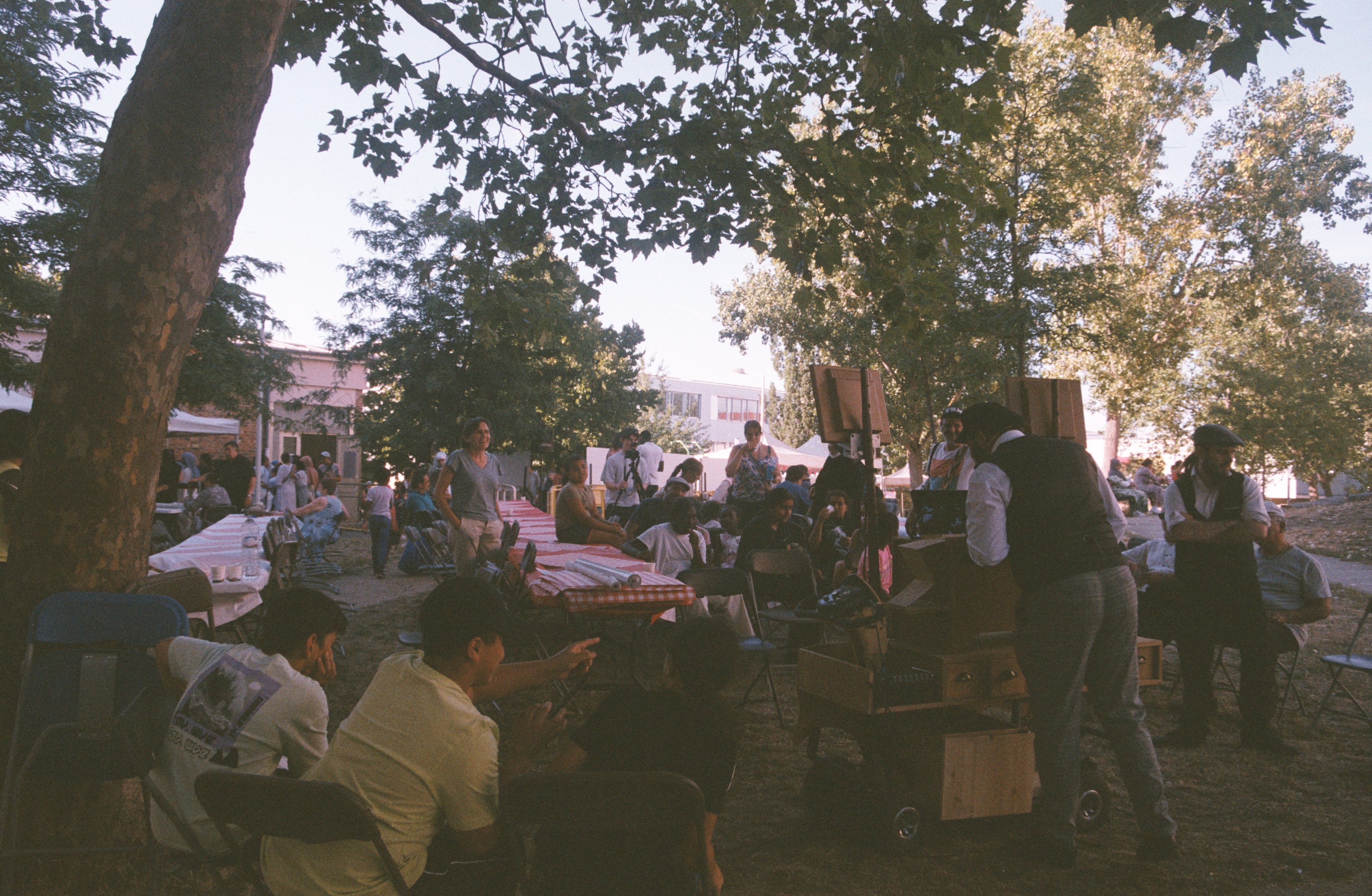
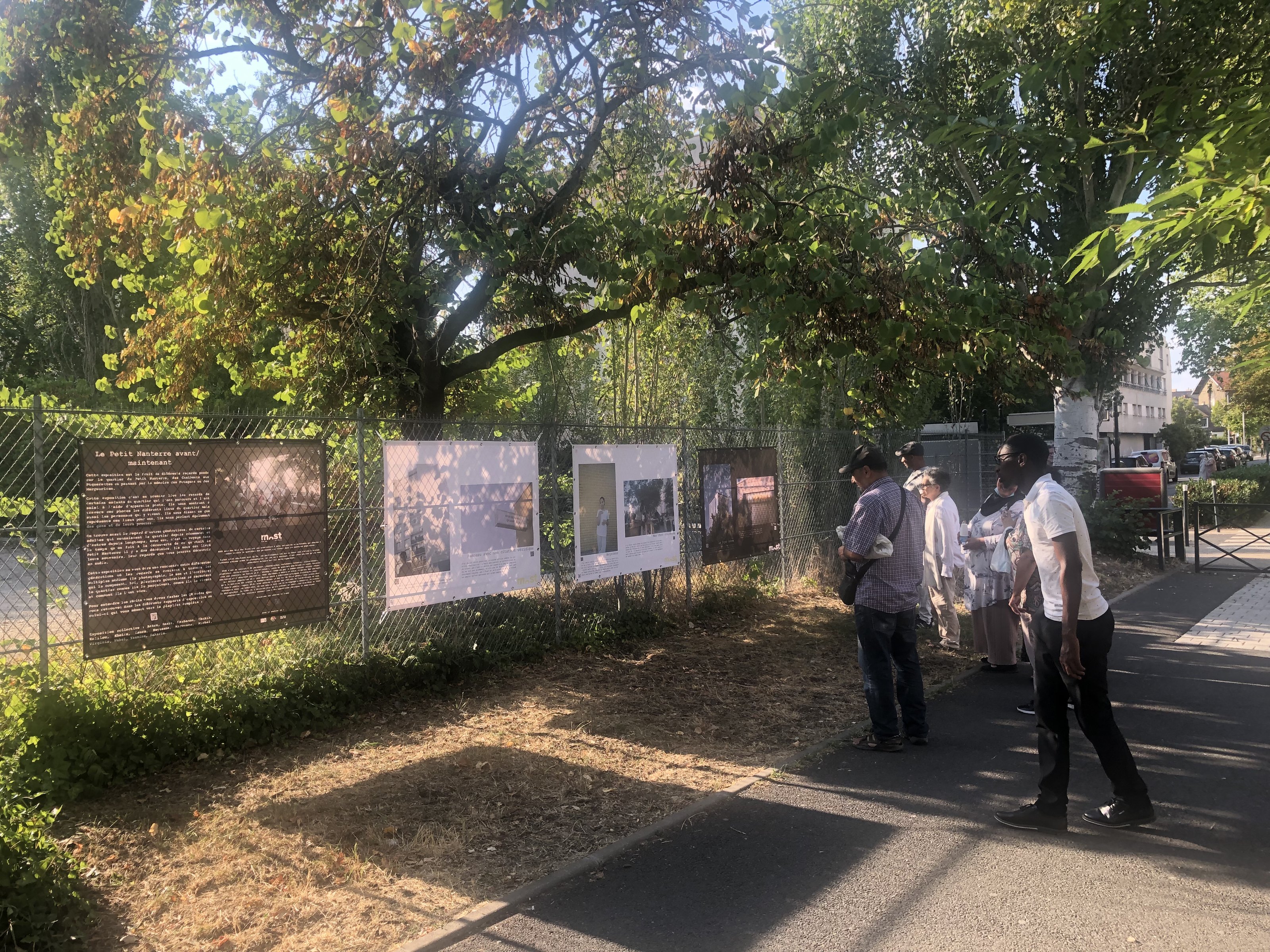
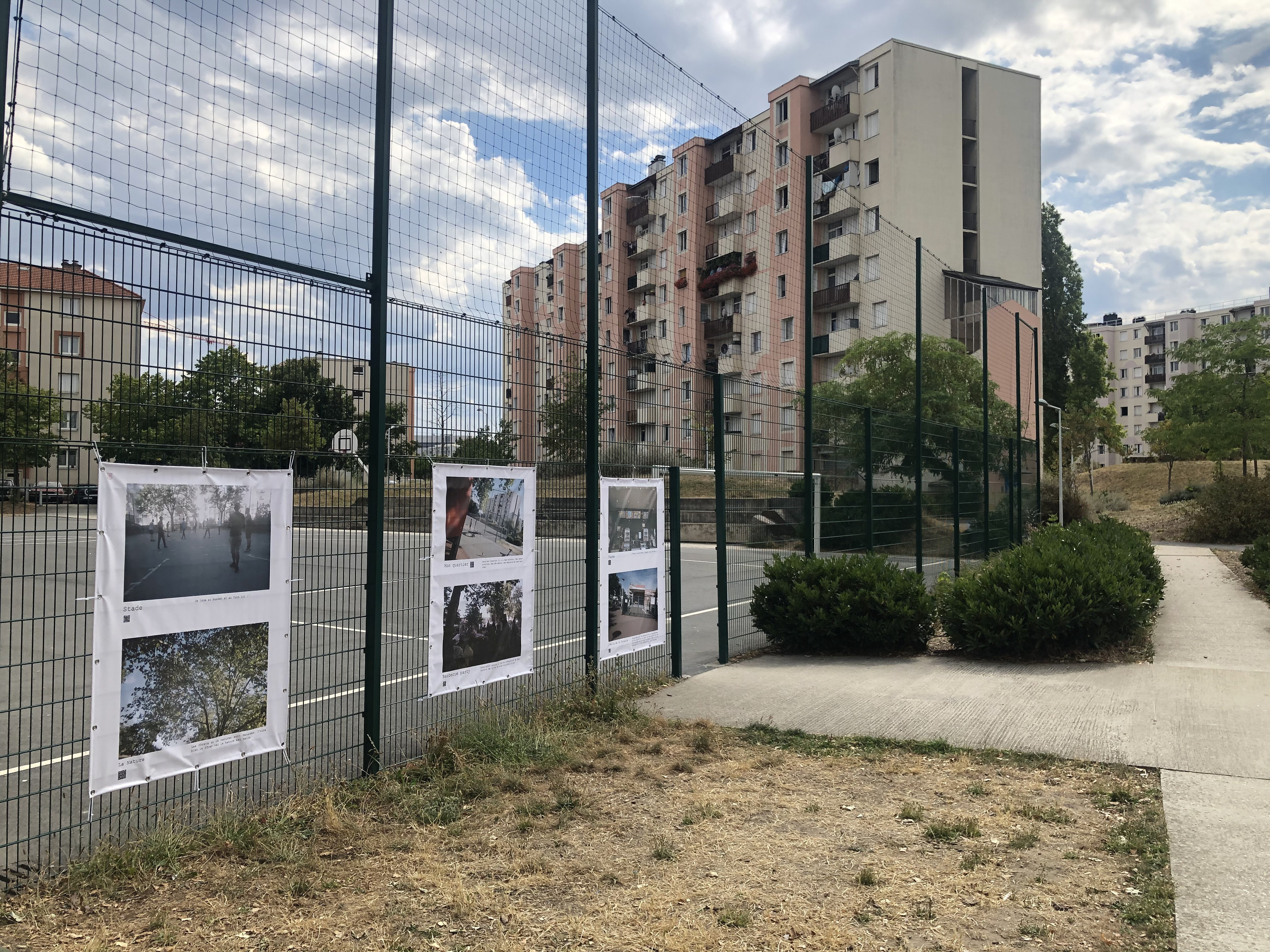
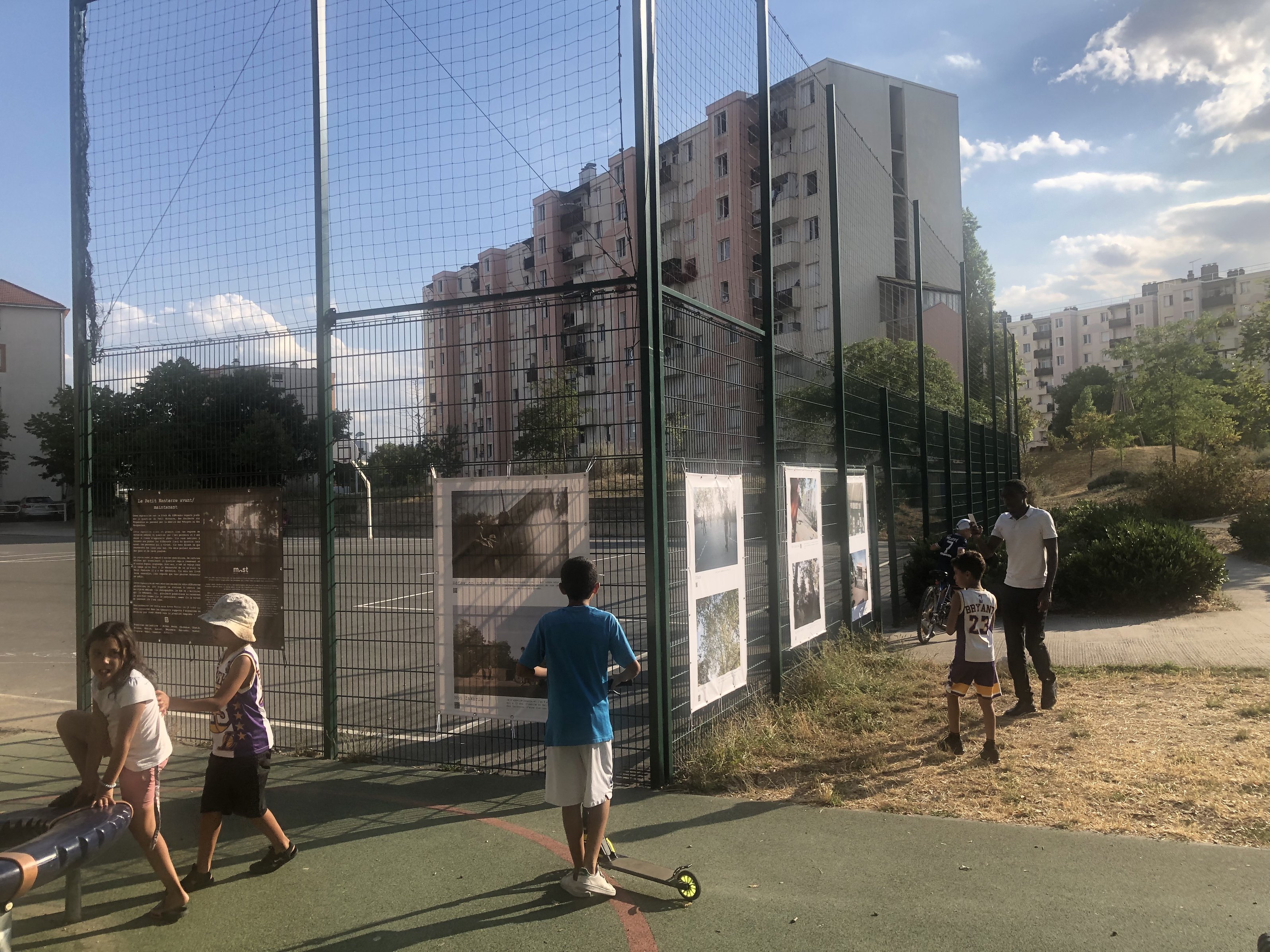
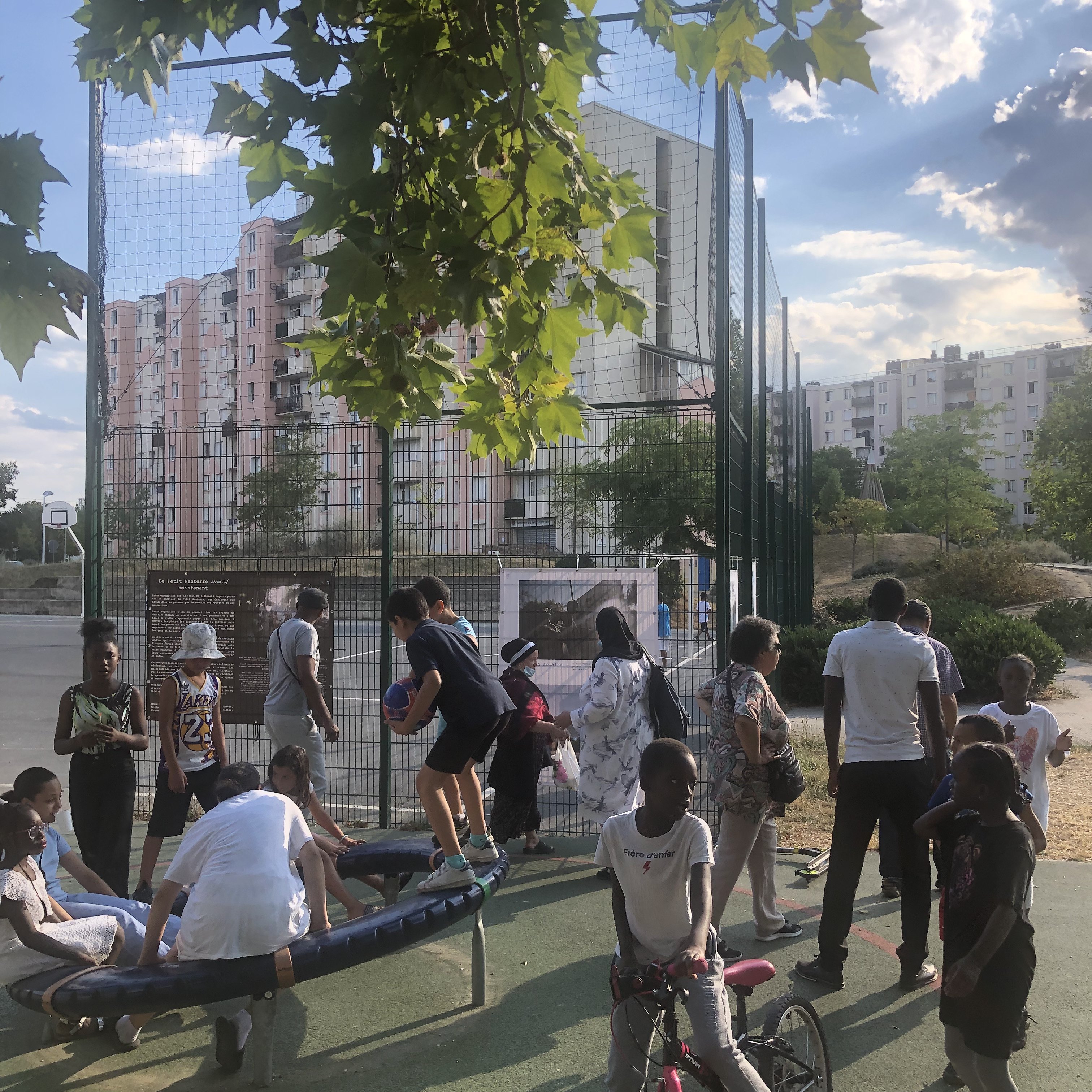
On July 29, 2022, in the late afternoon, the exhibition opened on the neighborhood fences, along the sports court and the square: the children, their families and longtime residents gathered in front of the banners.
01 / 14Petit Nanterre, July 29, 202202 / 14Petit Nanterre, July 29, 202203 / 14Petit Nanterre, July 29, 202204 / 14Petit Nanterre, July 29, 202205 / 14Petit Nanterre, July 29, 202206 / 14Petit Nanterre, July 29, 202207 / 14Petit Nanterre, July 29, 202208 / 14Petit Nanterre, July 29, 202209 / 14Petit Nanterre, July 29, 202210 / 14Petit Nanterre, July 29, 202211 / 14Petit Nanterre, July 29, 202212 / 14Petit Nanterre, July 29, 202213 / 14Petit Nanterre, July 29, 202214 / 14Petit Nanterre, July 29, 2022
installation photographs: the mOst team
the exhibition
year
summer 2022
place
Petit Nanterre, on the neighborhood fences
with
Zy’Va
media
photography, writing, sound
public presentation
exhibition on the neighborhood fences, fourteen stories to listen to, opening walk on July 29, 2022
supported by
le Préfet des Hauts-de-Seine, Quartiers d’été, la Ville de Nanterre