
north nanterre · 2022 to 2025
le petit nanterre
from the Canibouts to the Pâquerettes
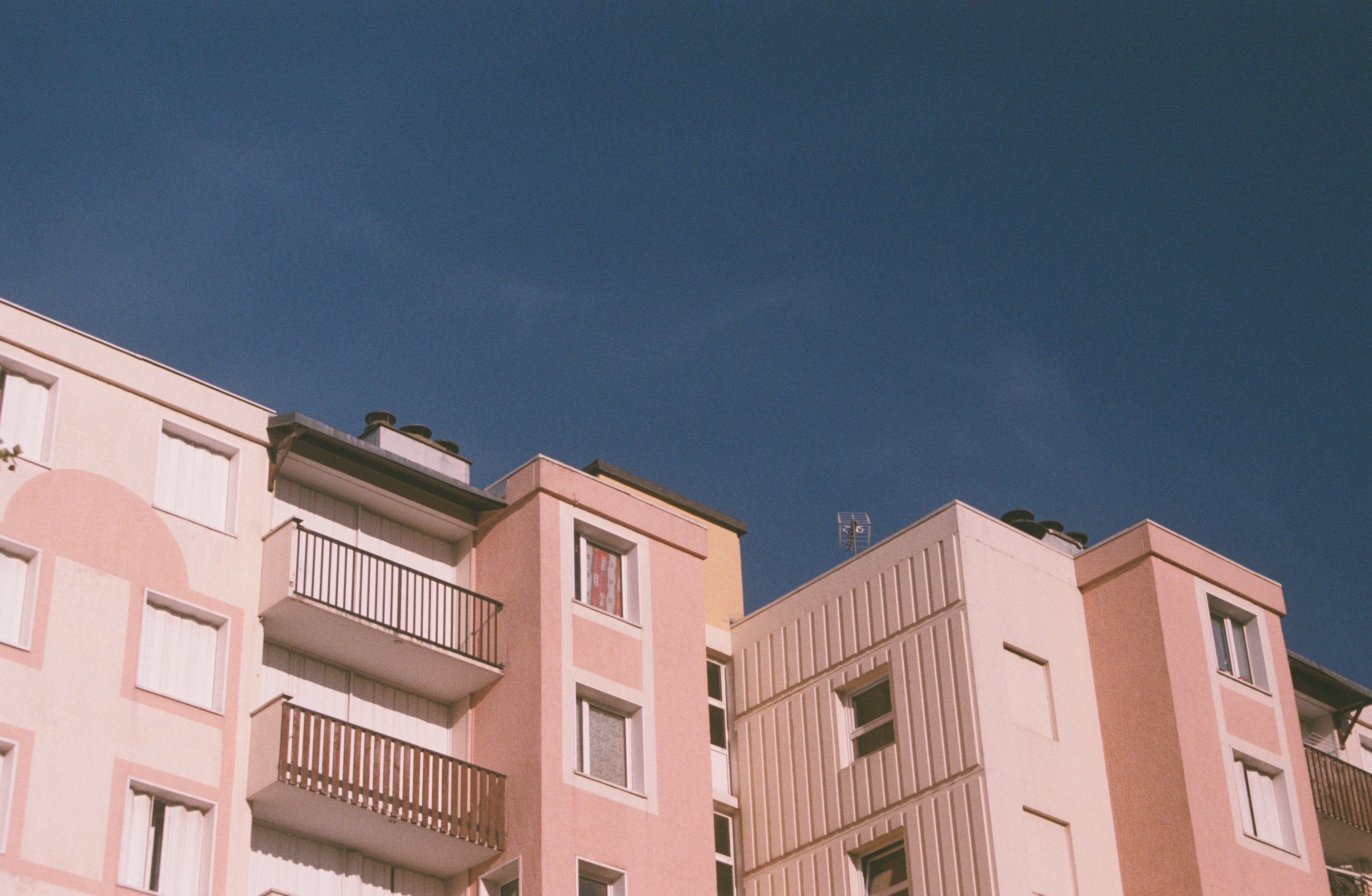
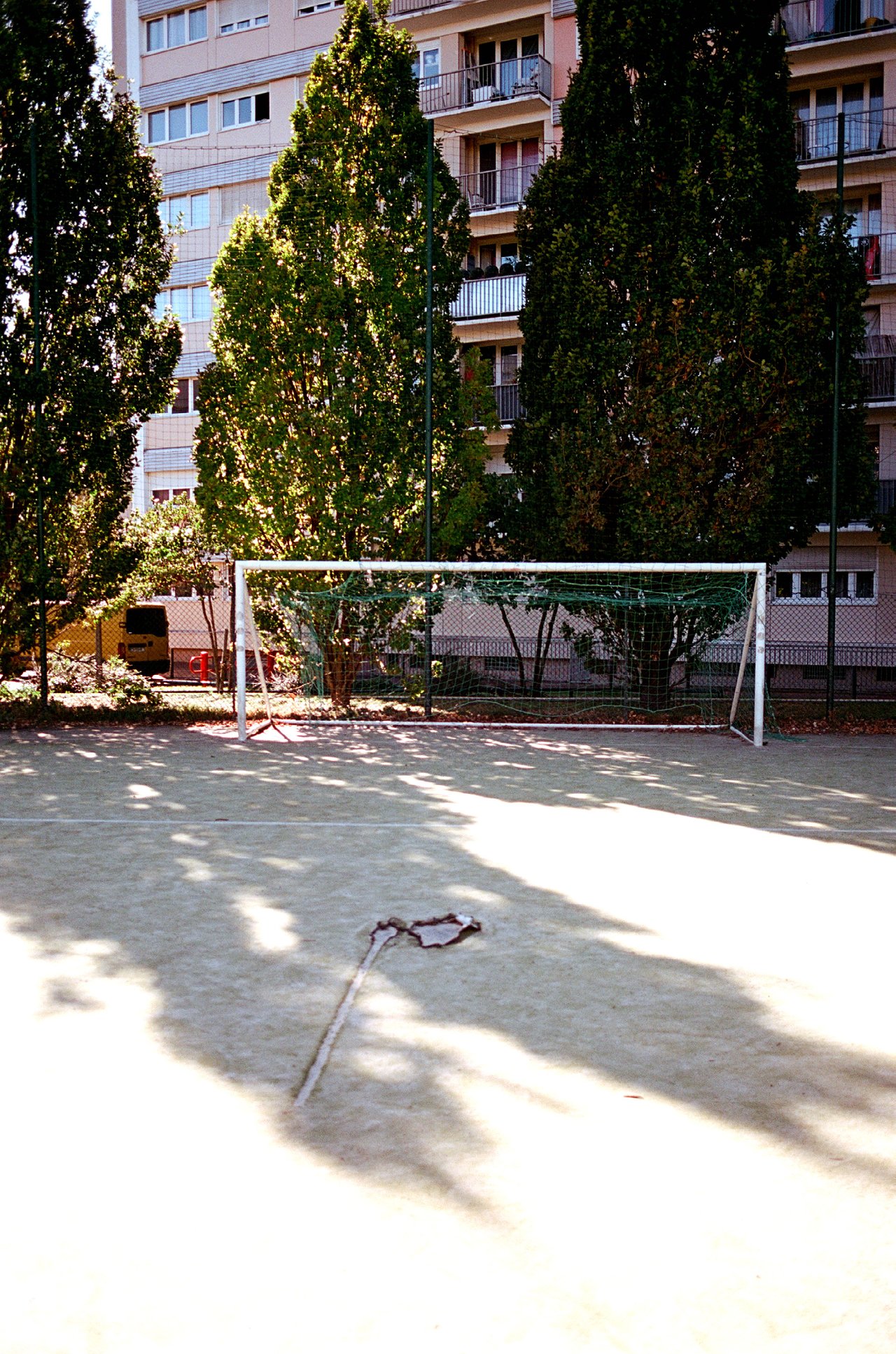
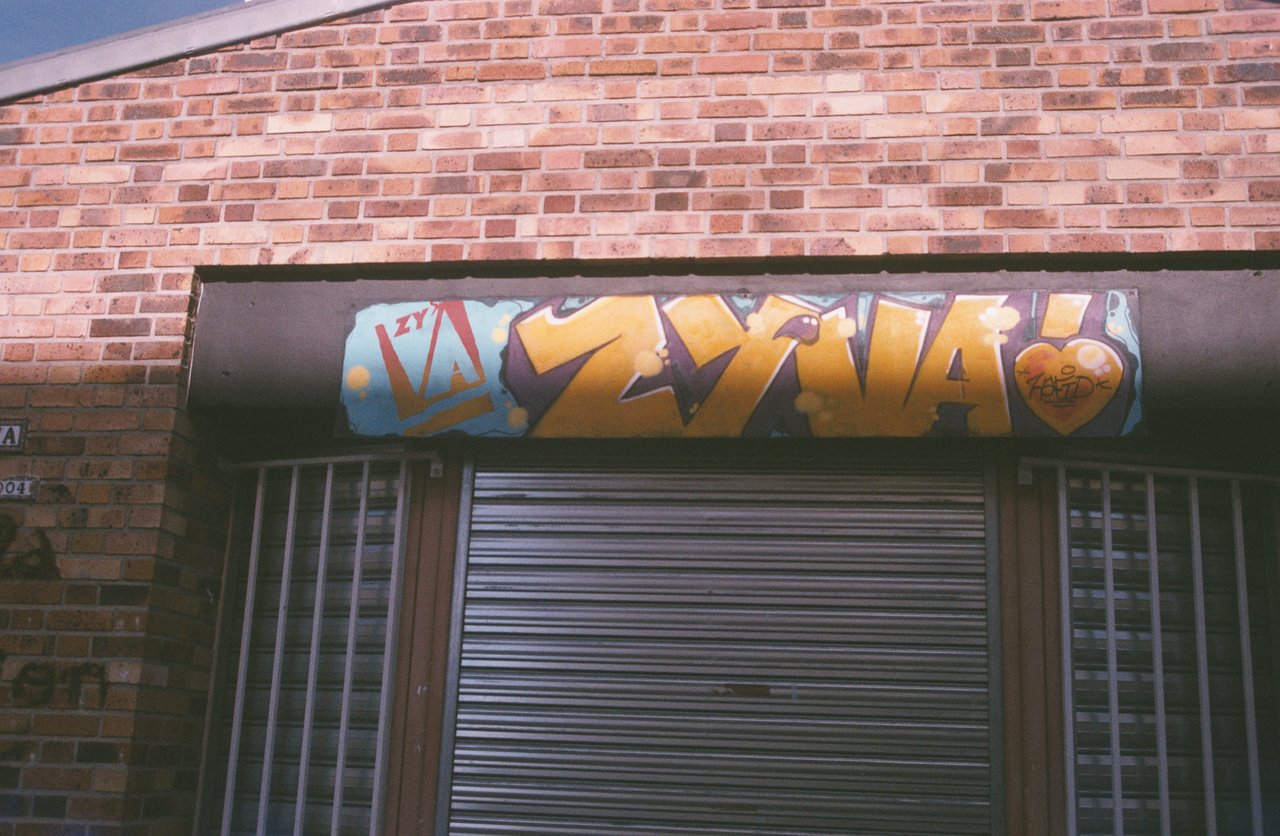
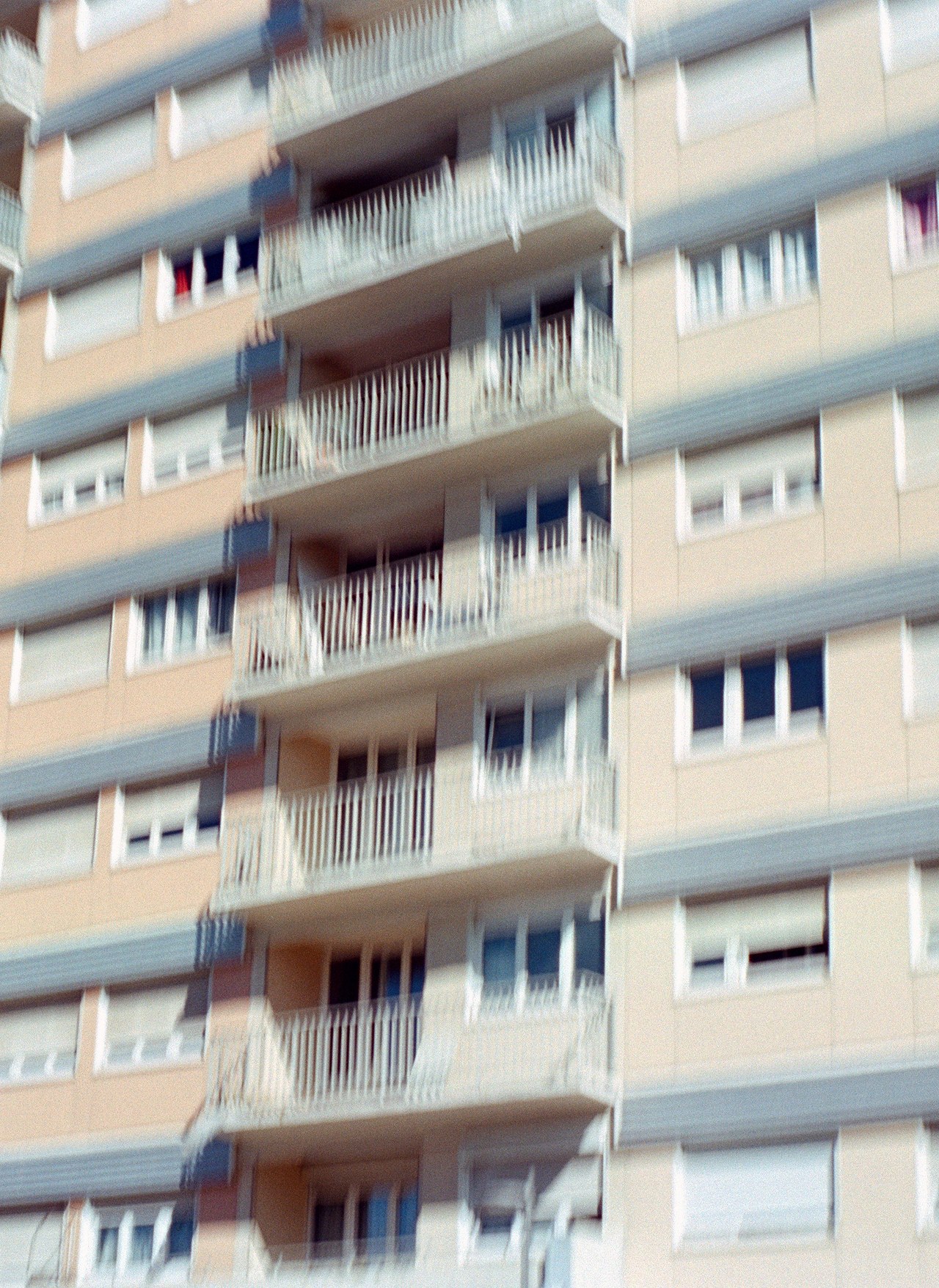
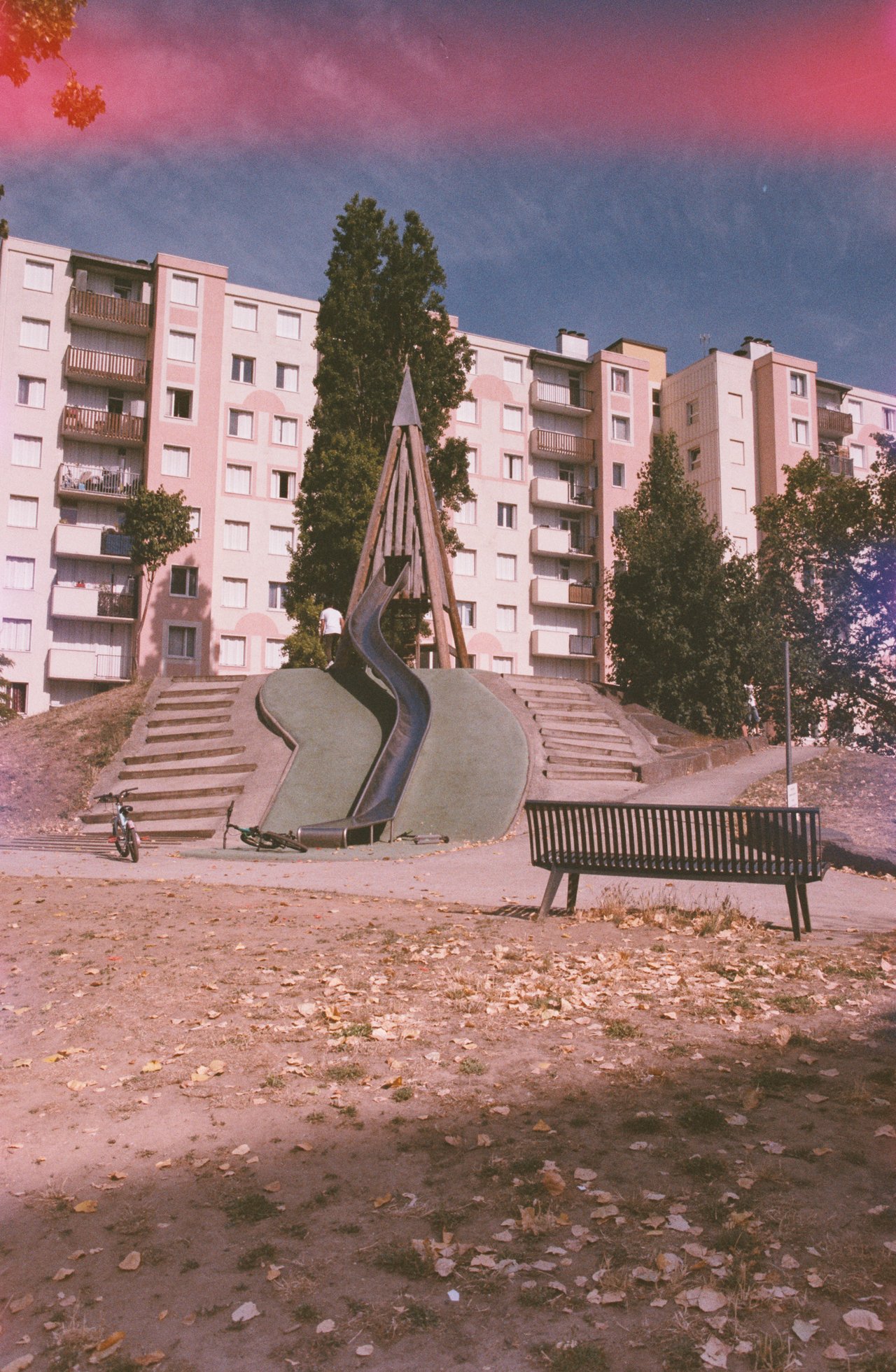
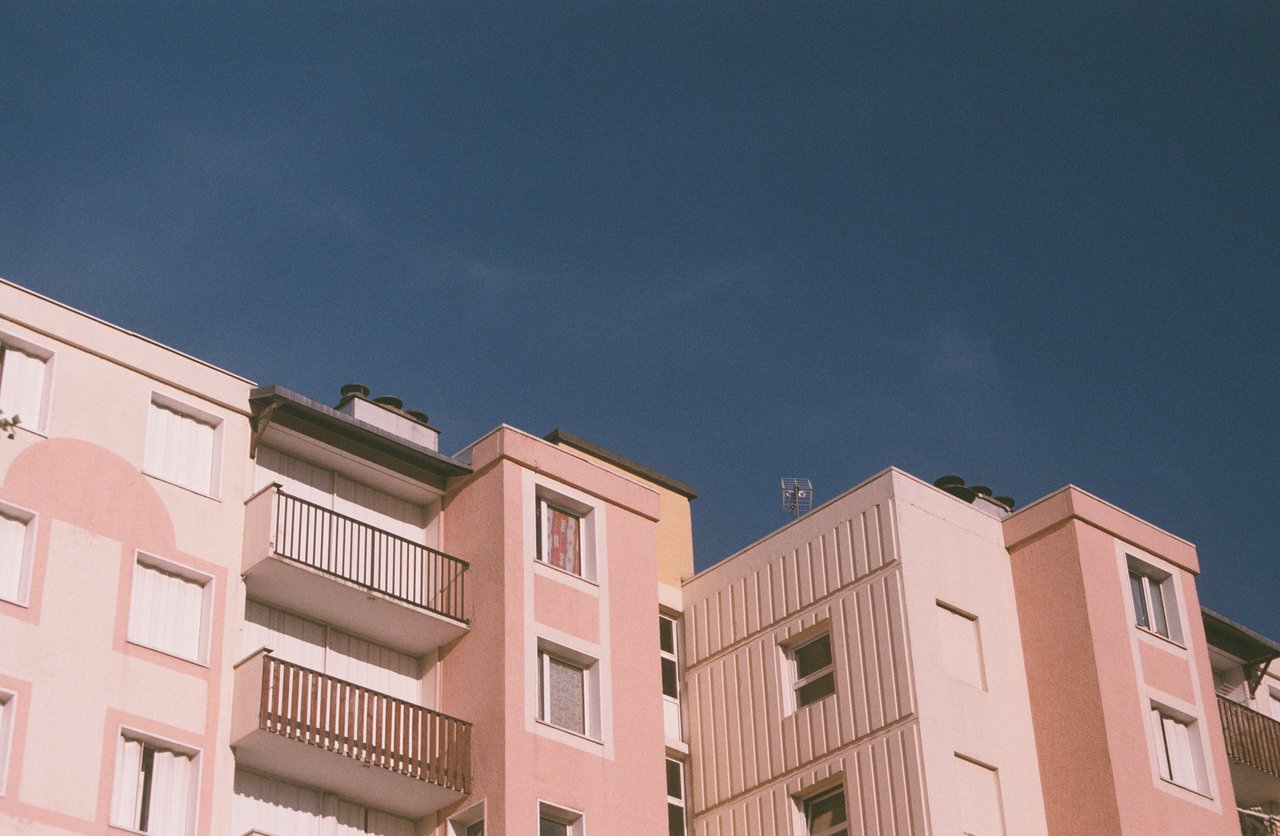
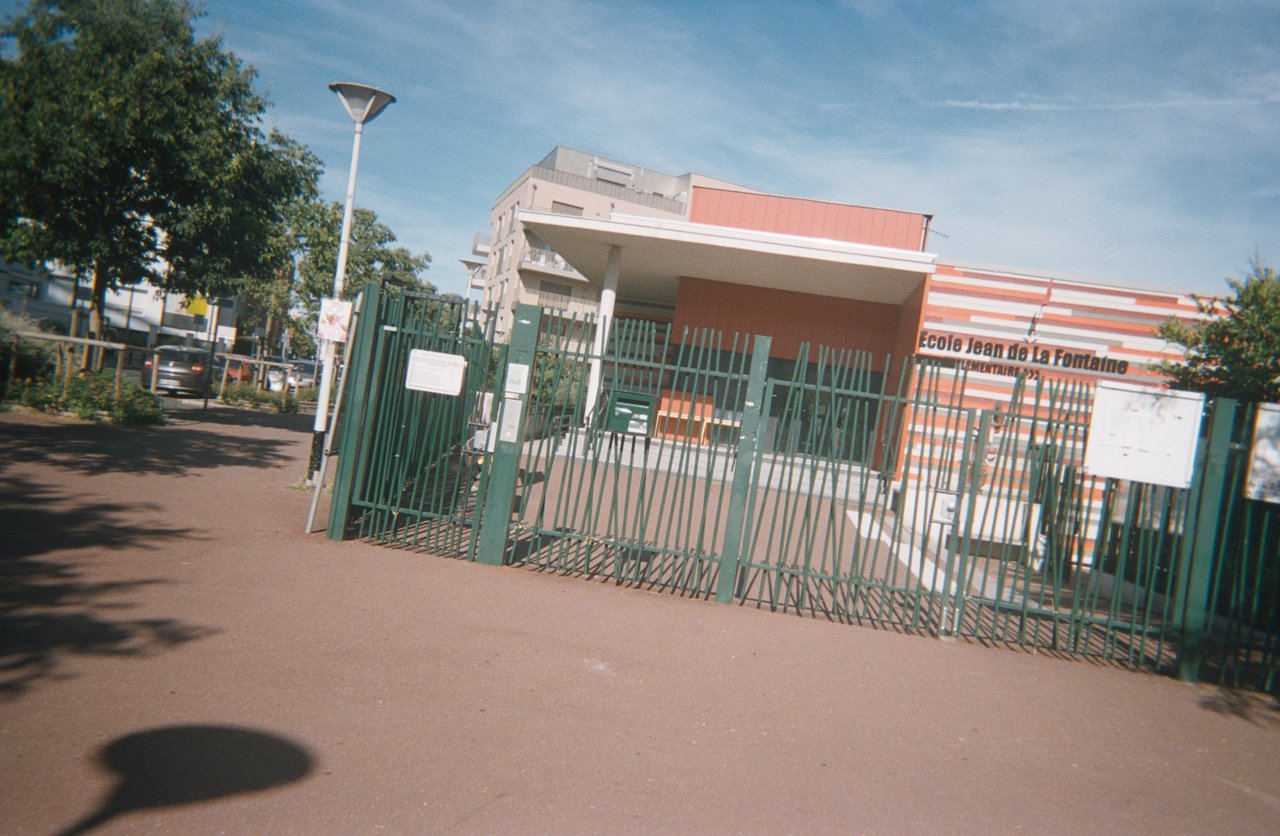
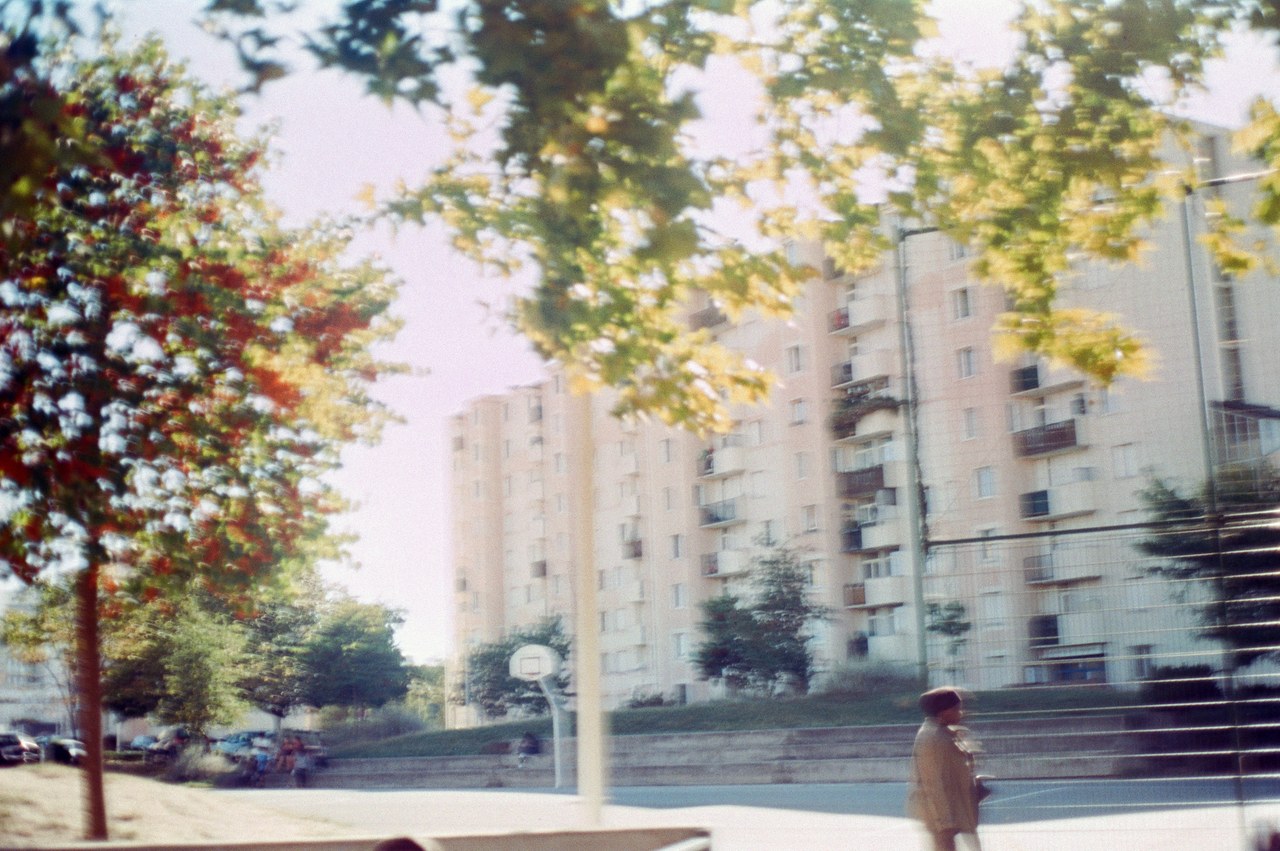
In the north of Nanterre, between Colombes and the Seine, cut off from the rest of the town by the railway and the A86 expressway: the Petit Nanterre, with its Pâquerettes and Canibouts estates, its apartment buildings named after flowers, the hospital and the La Fontaine school. Nanterre’s oldest shantytowns stood here. With Zy’Va, the neighborhood association, mOst has kept coming back since 2022: memory and the present in 2022, a film shot by the children in 2023, neighborliness in 2025.
 exhibition · 2022 · then / nowle petit nanterre avant/maintenant
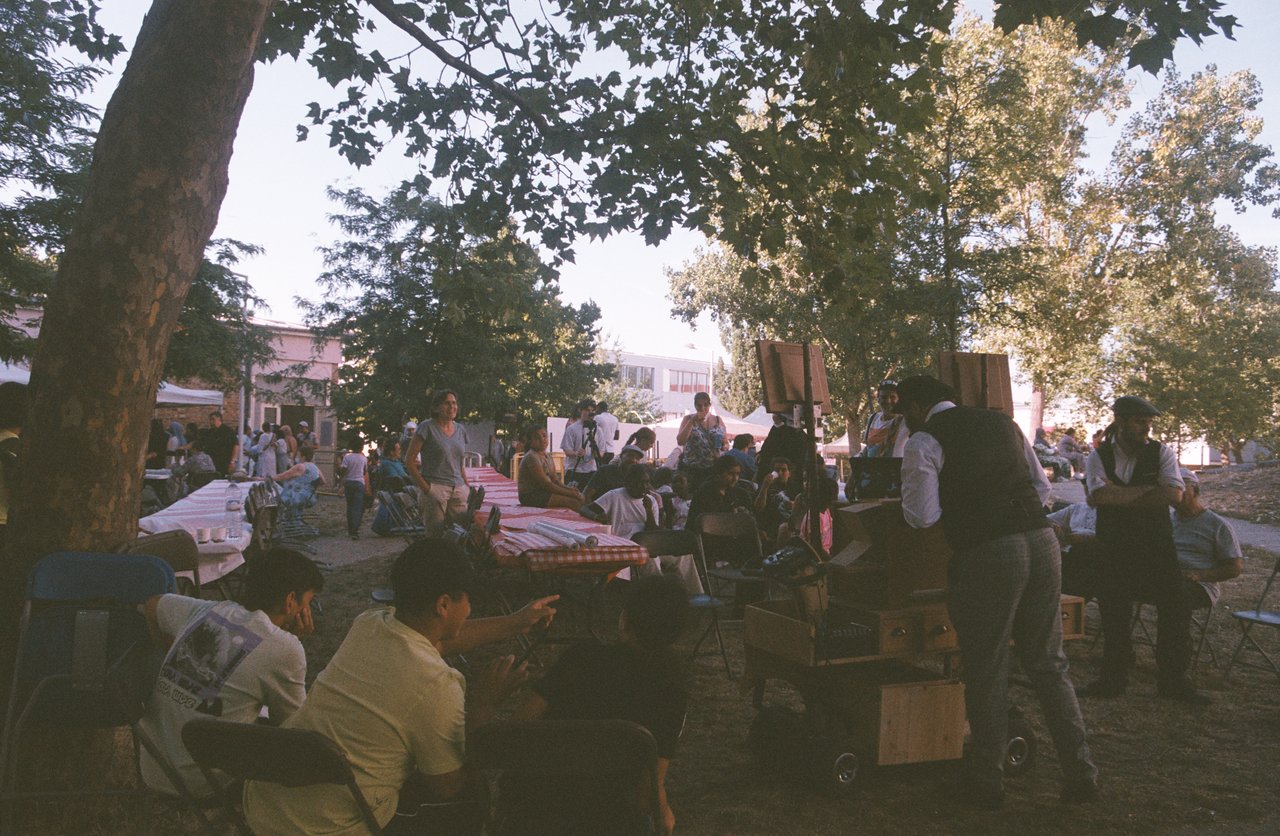
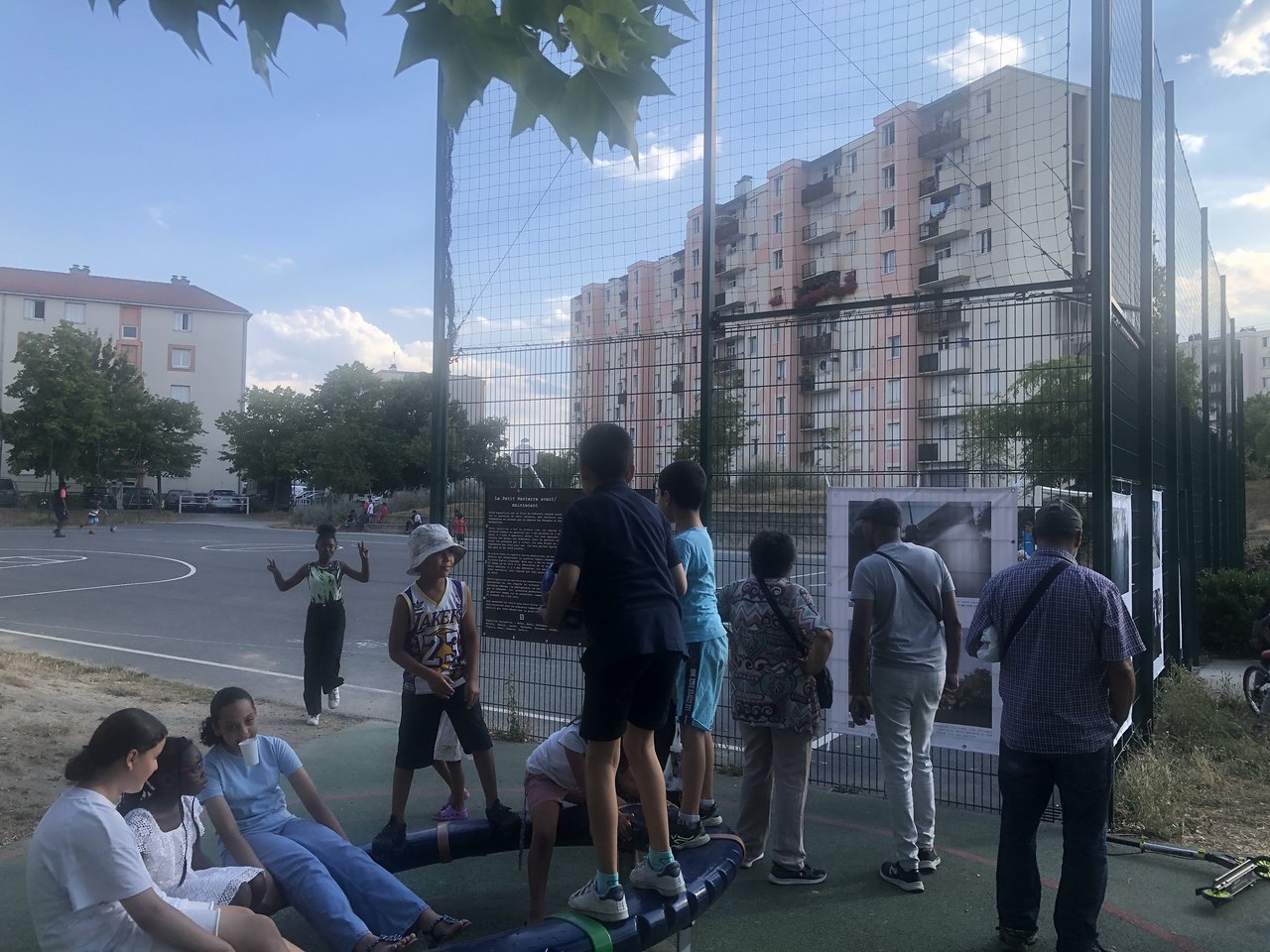
The youngest photograph their neighborhood and write about it; longtime residents tell the story of the one that came before, from the shantytowns to the neighborhood parties. Fourteen stories, ten banners and an opening walk on July 29, 2022.
Each photo taken by the children in 2022 meets a sentence from the neighborhood’s elders. We look at now and listen to then.
 video documentary · 2023 · the full filmles visages du petit nanterre
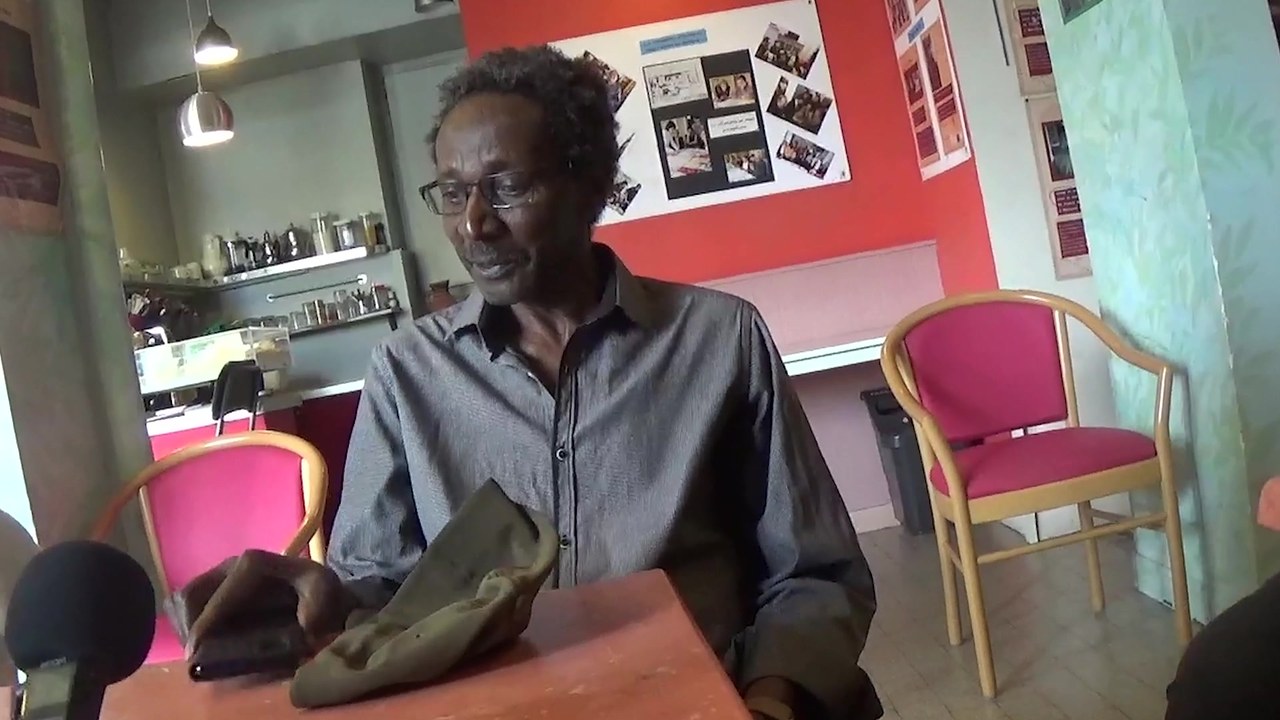
The children of the Petit Nanterre question their neighborhood, from the summer of 2023 back to the history of the shantytowns.
A film made by the neighborhood’s children during the “Documentary Portraits” workshop, led by mOst with Zy’Va and filmmakers from the Ateliers Varan. It was shown in the neighborhood, along with portraits printed on banners.
 exhibition · 2025 · the surveynous, le petit nanterre
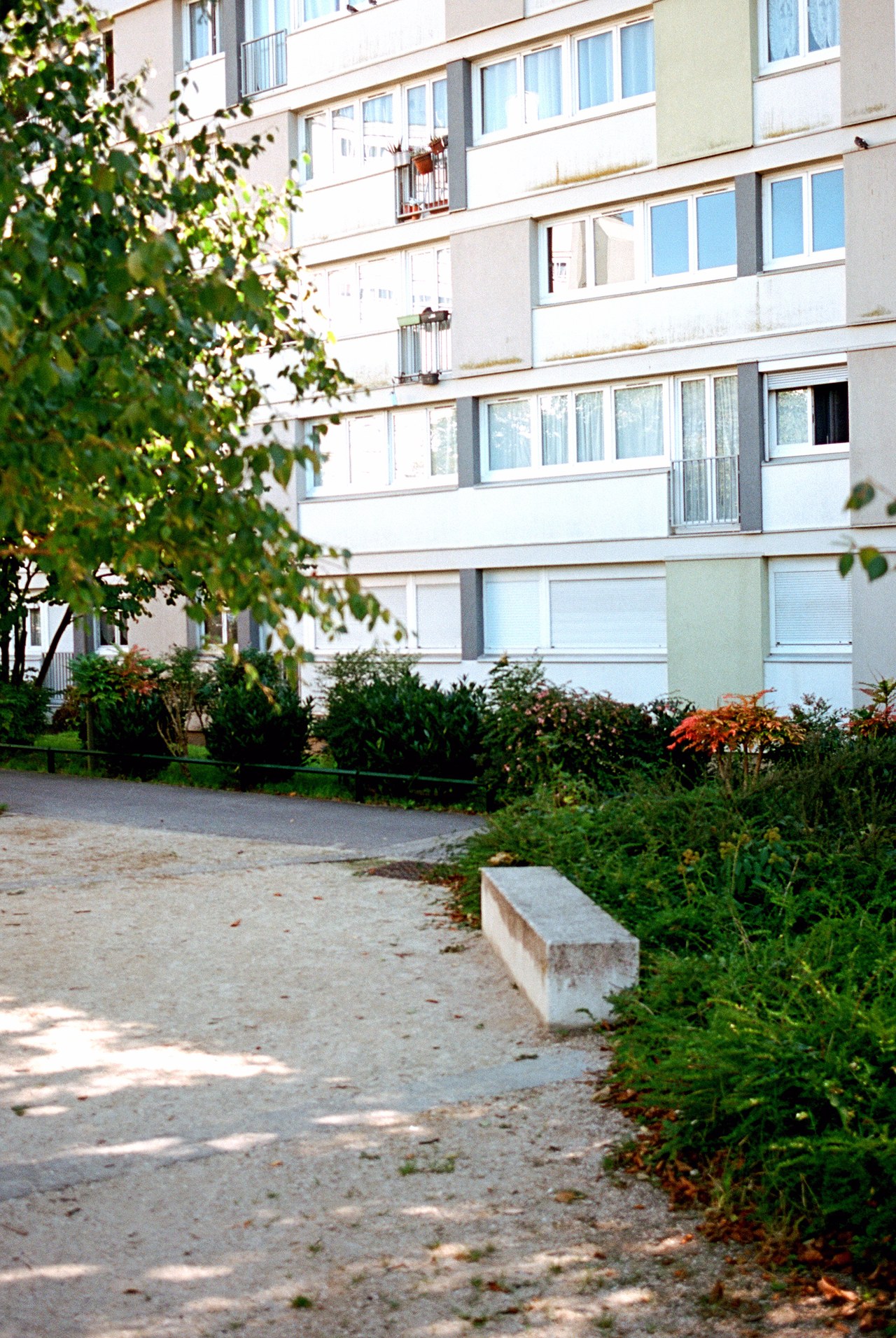
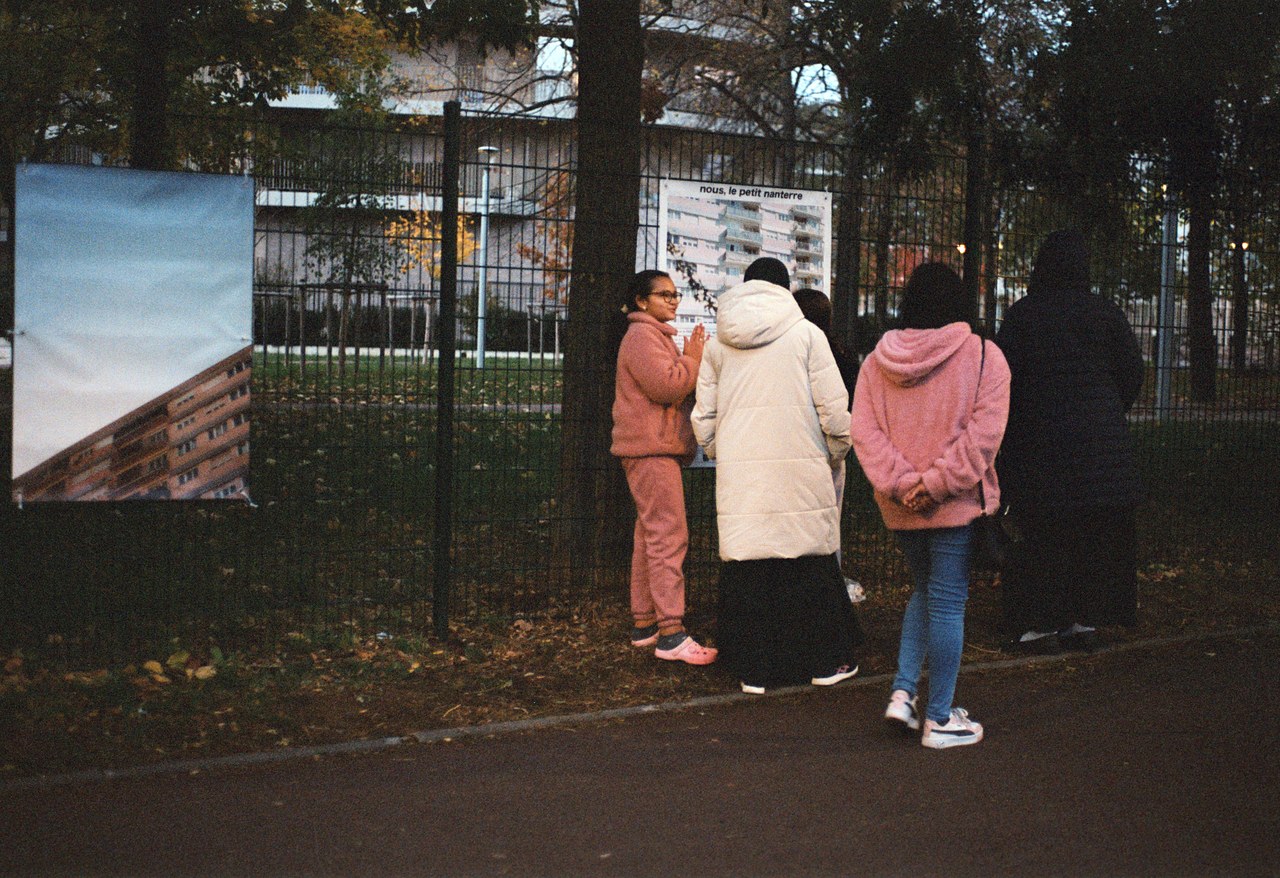
What holds a neighborhood together? In summer 2025, the participants interview their neighbors, microphone and camera in hand, and hang their answers on the neighborhood fences.
Five questions asked to the neighbors, written very large, their answers, and the group’s photos in between: we move forward as in a survey.
from one project to the next
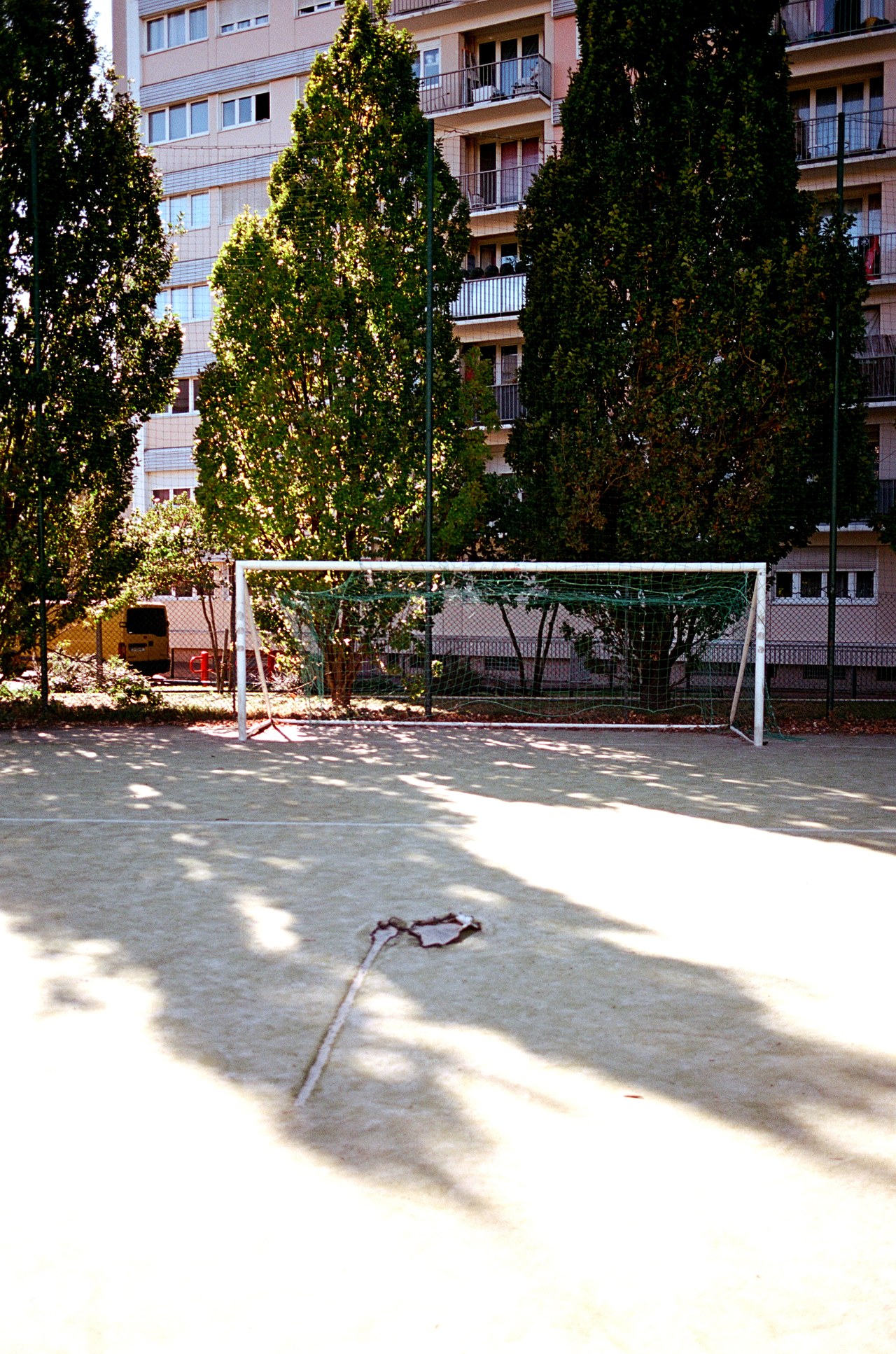
In 2022, the elders talked about the bonds of the past: the bakery where the cakes were baked, the ice-cream man who gave the kids credit, the weddings on the estate. In 2025, neighbors were asked what holds people together today. “For me, the identity of the neighborhood is how close people are here,” says one voice; “everyone is squeezed into their own home,” says another.